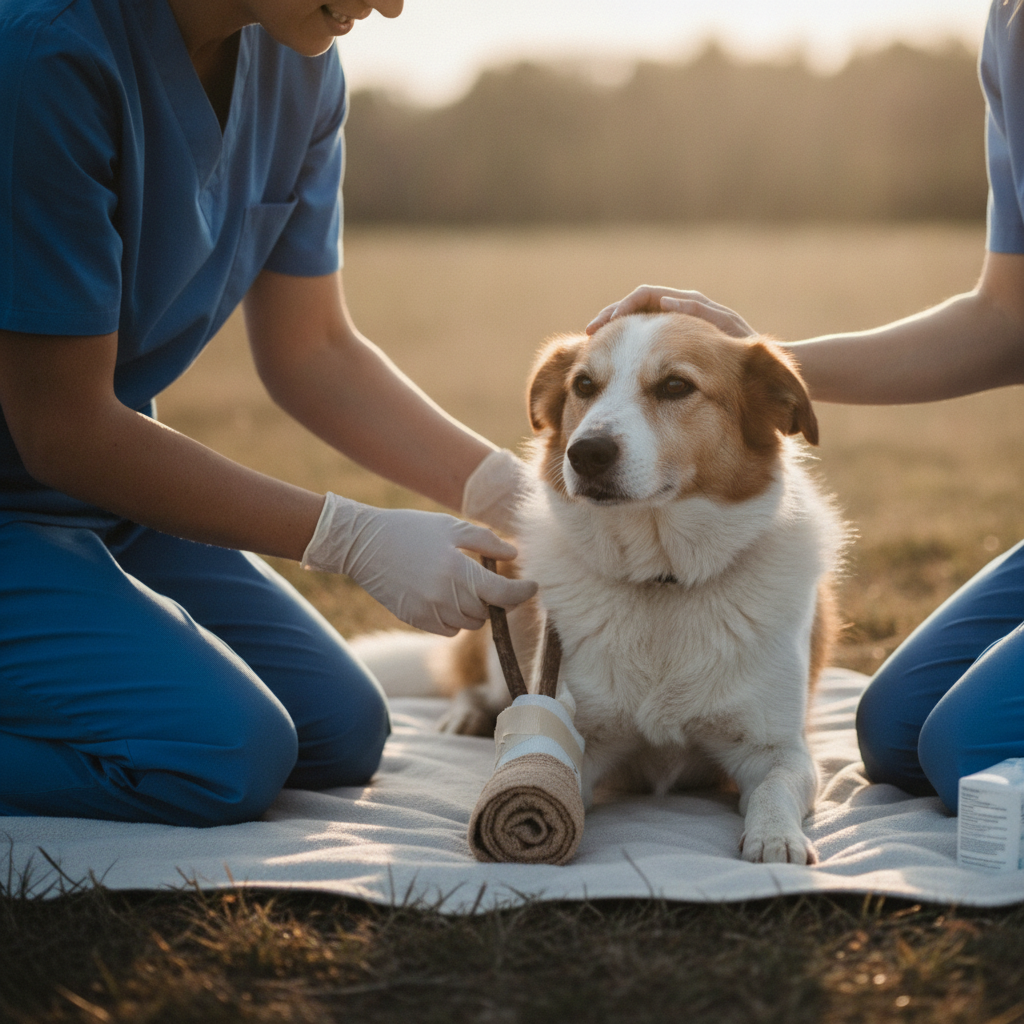
At Animal SoulSaver (جمعية حماية ارواح الحيوانات), we frequently encounter stray dogs suffering from traumatic injuries, with fractures being among the most common and debilitating. Providing prompt and appropriate first aid for a fractured limb can significantly improve a dog's prognosis, reduce pain, and prevent further damage. This guide offers essential, evidence-based advice for rescuers and compassionate individuals in Morocco on how to manage a fracture from the initial discovery through to post-surgical recovery.
Recognizing a Fracture
Identifying a fracture in a stray dog requires careful observation. Common signs include sudden lameness or inability to bear weight on a limb, severe pain demonstrated by vocalization or aggression when touched, visible swelling, an abnormal limb angle or position, or even an open wound where bone might be exposed (an 'open' fracture). Remember, a dog in pain, even one usually friendly, may bite. Approach with caution, speak softly, and observe from a safe distance before attempting any intervention.
Initial Stabilization: Prioritizing Safety and Comfort
Your primary goals are to prevent further injury and minimize pain during transport. First, ensure your safety and the dog's. If the dog appears aggressive or highly distressed, a temporary muzzle (even fashioned from a strip of cloth or scarf) can be crucial. Move the dog gently onto a flat, stable surface like a blanket, piece of cardboard, or a makeshift stretcher to avoid twisting or bending the injured limb. Current veterinary protocols emphasize minimizing movement of the fractured area. Rapid stabilization significantly improves outcomes by preventing further soft tissue damage and reducing pain, a principle strongly supported by current veterinary orthopedic research. Avoid giving any human pain medication, as many are toxic to dogs.
When and How to Apply a Temporary Splint
Temporary splinting is primarily for limb fractures below the elbow or stifle, aimed at immobilizing the area during transport. It's not always necessary and can be detrimental if done incorrectly. Do NOT attempt to splint if the bone is protruding, if the fracture is near a joint (hip, shoulder, knee), or if you suspect a spinal injury. In such cases, simply stabilize the dog on a flat surface.
For appropriate limb fractures, a temporary splint can be fashioned from materials like rolled newspapers, cardboard, or small sticks. Pad the limb well with clean cloths or cotton around the fracture site and bony prominences. The splint should extend well above and below the fracture, immobilizing the joints above and below the injury. Secure it firmly but not too tightly with tape, bandages, or strips of cloth. Ensure you can still insert two fingers under the bandage to avoid cutting off circulation. A poorly applied splint can cause pressure sores, nerve damage, or worsen the fracture. Remember, this is a temporary measure solely for transport to a veterinary clinic.
Emergency Transport to the Vet
Time is critical. As soon as you suspect a fracture, contact your nearest veterinary clinic immediately to inform them of your arrival and the dog's condition. In Morocco, veterinary services are primarily concentrated in urban areas, so calling ahead is crucial to ensure availability and preparation. Transport the dog in a stable, comfortable position, minimizing movement of the injured limb. A flat surface like a car boot or back seat, with the dog gently restrained, is ideal. Prompt professional veterinary care is the only path to proper diagnosis (via X-rays) and definitive treatment.
Post-Surgery Recovery: A Long Road to Healing
Once at the vet, the dog will receive professional care, including pain management, surgery (often involving pins, plates, or external fixators), and antibiotics if it's an open fracture. The recovery period is crucial and often extends for weeks or months. As a rescuer or foster parent, your role in post-operative care is vital:
- Restricted Activity: Strict confinement is paramount. This typically means crate rest, short leash walks only for toileting, and preventing jumping or running. Adherence to this is the single most important factor for successful healing.
- Medication Administration: Administer all prescribed medications – veterinary-prescribed pain relief (e.g., NSAIDs like meloxicam or carprofen) and antibiotics – exactly as directed. In Morocco, these medications are widely available through veterinary pharmacies.
- Wound Care: Follow your vet's instructions for bandage changes, wound cleaning, and monitoring for signs of infection (redness, swelling, discharge, foul odor). Keep the wound dry and clean, especially important in Morocco's often dusty or humid climate, which can predispose to infection.
- Nutrition: Provide a high-quality, balanced diet to support healing and recovery. Your vet may recommend specific supplements.
- Follow-up Appointments: Attend all scheduled veterinary check-ups for X-rays and assessments of healing progress.
- Physical Therapy: If recommended and accessible, controlled exercises or hydrotherapy can aid in regaining strength and mobility. In areas where specialized rehab isn't readily available, gentle range-of-motion exercises (as instructed by your vet) can be beneficial.
- Patience and Compassion: Healing takes time. Provide a calm, supportive environment and celebrate small milestones. Protecting the recovering limb from the elements and ensuring a fly-free environment during warmer months are also important considerations in Morocco.
By understanding these critical steps, Animal SoulSaver and its dedicated network can provide the best possible chance for a stray dog with a fracture to heal and find a loving forever home. Your timely and compassionate intervention makes all the difference.