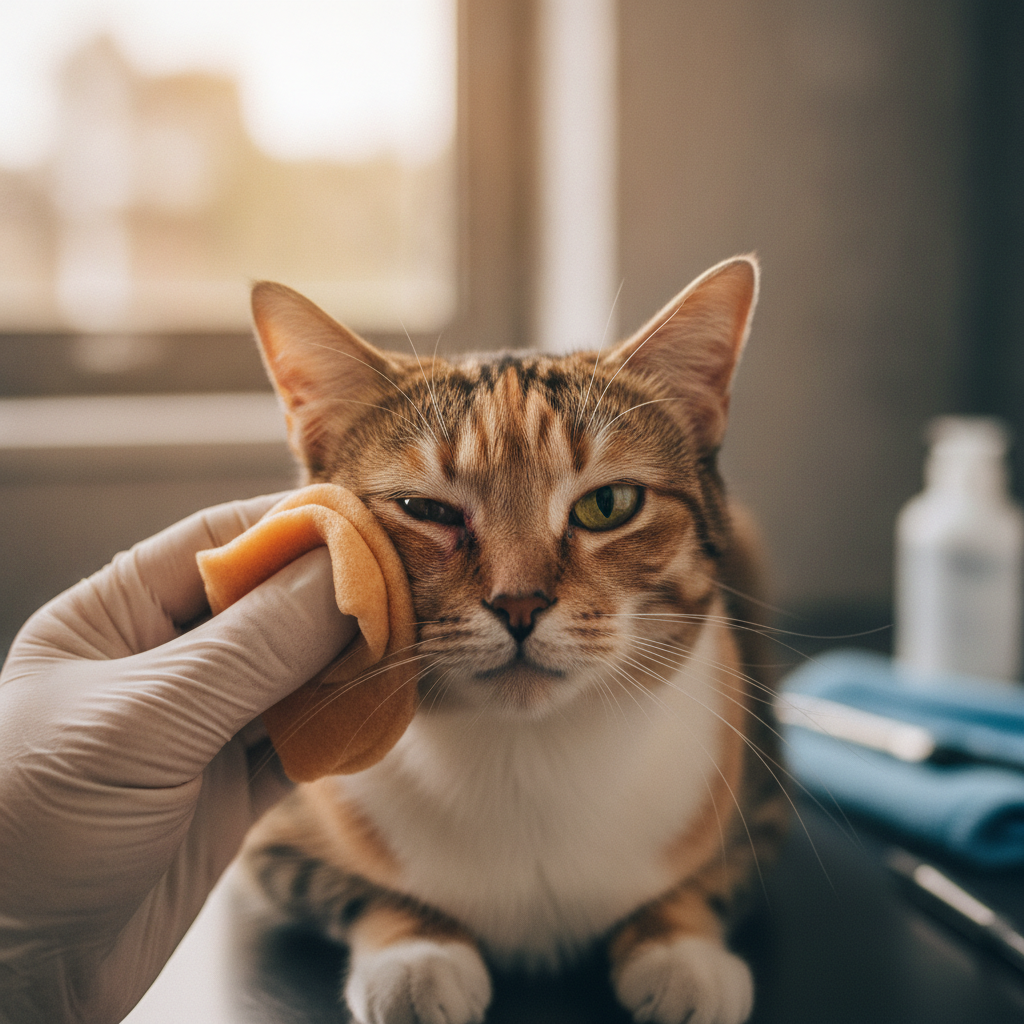
As dedicated protectors of animal welfare at Animal SoulSaver, we frequently encounter cats suffering from eye infections. These conditions, ranging from mild conjunctivitis to severe corneal ulcers, can cause significant pain, impair vision, and if left untreated, lead to permanent damage. Understanding these conditions and knowing when to seek professional veterinary help is crucial for every pet owner and rescuer in Morocco.
Understanding Feline Conjunctivitis
Conjunctivitis is the inflammation of the conjunctiva, the pink membrane lining the eyelids and covering the white part of the eye. It's one of the most common eye problems in cats. Symptoms often include redness, swelling of the eyelids, watery or thick discharge (clear, yellow, or green), squinting, and rubbing the eye. In Morocco, dust, allergens, and the prevalence of stray cat populations contribute to its frequency.
Common causes include Feline Herpesvirus-1 (FHV-1), Chlamydophila felis, Mycoplasma, and occasionally bacterial infections. FHV-1 is particularly widespread and can cause recurrent flare-ups, often triggered by stress. While some cases might seem minor, it’s vital to remember that what appears to be simple conjunctivitis can mask a more serious underlying issue.
Initial Steps and Veterinary Diagnosis
If you notice any signs of eye irritation or discharge, the first step is to gently clean the area around the eye with a clean, soft cloth dampened with lukewarm, boiled, and cooled water. Avoid using cotton wool as fibers can stick to the eye. Never use human eye drops or old pet medications without veterinary guidance. Immediate veterinary consultation is essential, especially if the eye is painful, cloudy, or the cat is squinting severely.
Your veterinarian will perform a thorough ophthalmic examination. A critical diagnostic tool is the fluorescein stain test. This orange dye is applied to the eye and reveals any damage or ulceration on the cornea. This test is non-invasive and provides vital information that dictates the correct treatment protocol. Further diagnostics, such as swabs for PCR testing, may be recommended to identify specific pathogens like FHV-1 or Chlamydophila.
Navigating Medication Choices: Sterdex, Frakidex, and Tobramycine
Choosing the right eye medication is complex and depends entirely on the diagnosis. This is where the fluorescein stain test becomes paramount.
Tobramycine (or other antibiotic drops like Chloramphenicol, Gentamicin): These are broad-spectrum antibiotic eye drops or ointments, commonly available in Moroccan pharmacies. They are prescribed when a bacterial infection is suspected or confirmed, or to prevent secondary bacterial infections, especially with viral conjunctivitis or after an injury. Tobramycine is generally safe and effective against many common bacterial pathogens.
Sterdex (Dexamethasone, Neomycin, Polymyxin B) and Frakidex (Dexamethasone, Framycetin, Gramicidin): These are combination eye drops containing a corticosteroid (Dexamethasone) and antibiotics. Their primary role is to reduce inflammation (corticosteroid) while treating/preventing bacterial infection (antibiotics). They are highly effective for inflammatory conditions like allergic conjunctivitis or chronic, non-ulcerative viral conjunctivitis, once the active infection is under control and crucially, after an ulcer has been ruled out.
CRITICAL WARNING: Corticosteroid-containing drops like Sterdex and Frakidex are ABSOLUTELY CONTRAINDICATED if a corneal ulcer is present. Steroids can severely worsen corneal ulcers, delay healing, or even cause the cornea to melt, leading to permanent blindness or loss of the eye. This is why a fluorescein stain test is non-negotiable before using any steroid-containing eye medication. Always follow your vet's instructions precisely.
Understanding and Treating Corneal Ulcers
A corneal ulcer is an open sore on the cornea, the transparent outer layer of the eye. They are often very painful and can be caused by trauma (e.g., a scratch), foreign bodies, chemical irritants, or FHV-1 infections. Symptoms include severe squinting, excessive tearing, redness, visible cloudiness or a white spot on the cornea, and sensitivity to light.
Diagnosis is confirmed with a fluorescein stain test, which highlights the ulcerated area. Treatment typically involves: Antibiotic eye drops (e.g., Tobramycine, Ofloxacin, Ciprofloxacin):* To prevent or treat bacterial infection, which is a common complication. Again, NEVER steroid-containing drops. Pain management:* Topical atropine can relieve pain from associated muscle spasms in the eye, and systemic pain medication may be prescribed. Antivirals:* If FHV-1 is suspected as the cause (e.g., oral Famciclovir, though less commonly available in Morocco, specific antiviral drops might be compounded or alternative immune support like L-lysine used). Supportive care:* Autologous serum or plasma drops (from the cat's own blood) can provide growth factors and anti-collagenase enzymes to promote healing for some ulcers. For deep or non-healing ulcers, surgical intervention (e.g., conjunctival flap) may be necessary.
Prevention and Long-Term Care
Preventative measures include regular vaccination against FHV-1, minimizing stress in your cat's environment, and maintaining good hygiene. For cats with chronic FHV-1, lysine supplements might be recommended by your vet to help manage flare-ups. Always complete the full course of medication prescribed, even if symptoms improve, and never hesitate to contact your veterinarian if you have concerns. Early and accurate diagnosis, combined with diligent treatment, offers the best prognosis for preserving your cat's vision and comfort.
At Animal SoulSaver, we advocate for responsible pet ownership and access to quality veterinary care. Your cat's eyes are precious – protect them with knowledge and timely action.