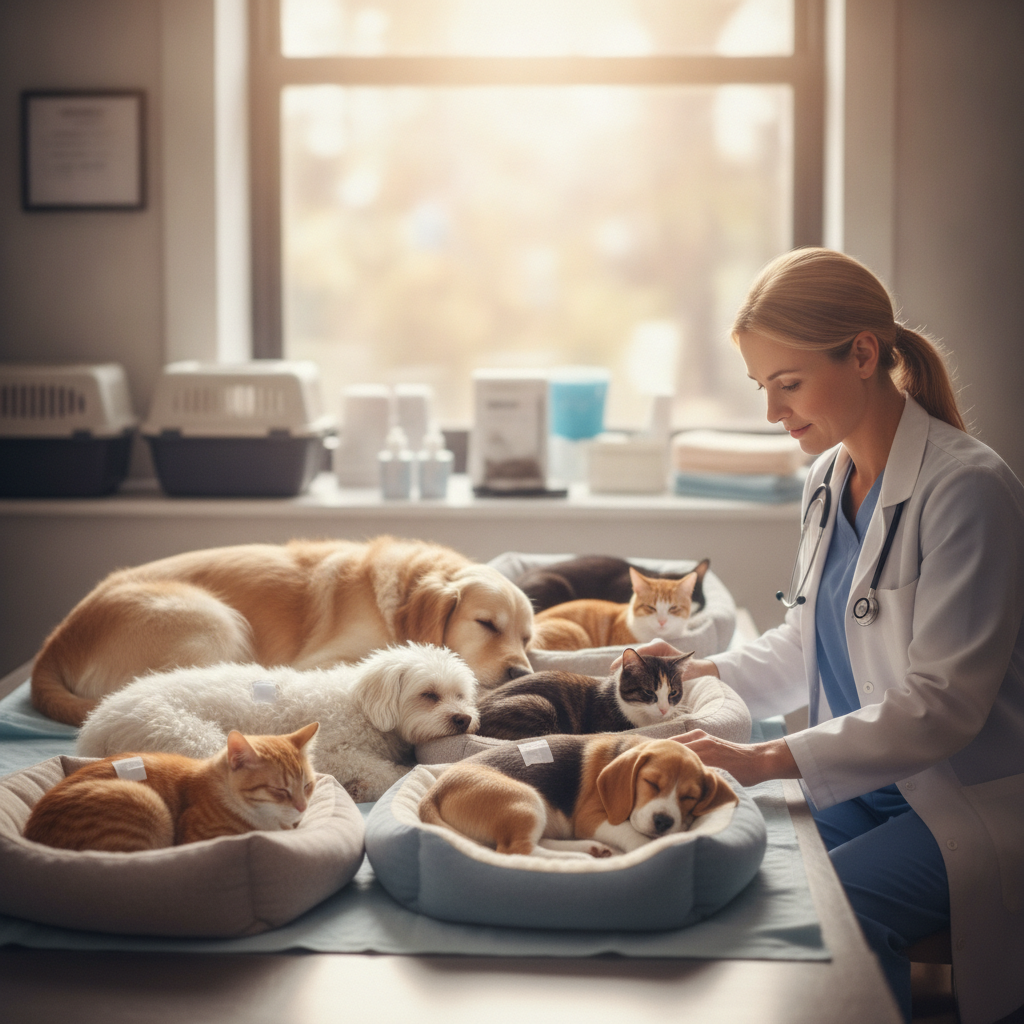
At Animal SoulSaver, we believe that every animal deserves a life free from suffering and neglect. A cornerstone of achieving this vision, both for individual pets and the wider animal population in Morocco, is spaying and neutering. These common surgical procedures not only prevent unwanted litters but also offer profound, lifelong health and behavioral benefits.
The Health Benefits: A Lifelong Investment
Spaying (ovariohysterectomy) for females and neutering (orchiectomy) for males are much more than just birth control; they are preventative health measures. For female dogs and cats, spaying eliminates the risk of pyometra, a life-threatening uterine infection common in unspayed females, especially as they age. Studies consistently show that spaying before the first heat cycle drastically reduces the risk of mammary (breast) cancer, which can be aggressive and fatal. It also prevents uterine and ovarian tumors, and eliminates the mess and stress of heat cycles, reducing behavioral issues like howling and spraying.
For male dogs and cats, neutering prevents testicular cancer and significantly reduces the risk of benign prostatic hyperplasia (enlarged prostate), a painful condition common in older intact males. It also helps prevent perineal hernias. Behaviorally, neutering often reduces aggression, roaming tendencies (which can lead to injuries or being hit by cars), urine marking, and fighting. This in turn lessens the spread of infectious diseases like Feline Immunodeficiency Virus (FIV) and Feline Leukemia Virus (FeLV) among cats, which are prevalent in stray populations.
Ideal Timing: When is Best?
While traditional advice often suggested waiting until 6 months of age, current veterinary research supports a more flexible approach. For most healthy dogs and cats, spaying or neutering can be safely performed as early as 8-16 weeks (early-age spay/neuter, EASN). This is particularly common and beneficial in shelter settings in Morocco, where high intake and rapid reproduction necessitate prompt action to prevent further population growth. EASN offers quicker recovery times and can prevent females from experiencing their first heat cycle altogether.
For larger breed dogs, some veterinarians may recommend waiting until they are closer to skeletal maturity (e.g., 9-15 months) to minimize potential orthopedic concerns, though recent comprehensive studies indicate that for most breeds, these risks are minimal. The best approach is always to consult with your trusted local veterinarian who can assess your pet's individual health, breed, and lifestyle to determine the optimal timing.
Post-Operative Care: Ensuring a Smooth Recovery
Proper post-operative care is crucial for a quick and uneventful recovery. Your veterinarian will provide specific instructions, but here are general guidelines:
- Quiet Rest: Provide a clean, warm, and quiet space for your pet to recover. Restrict activity for 10-14 days – no running, jumping, or rough play. Dogs should be walked on a leash only.
- Incision Site Monitoring: Check the incision daily for redness, swelling, discharge, or any signs of opening. A small amount of bruising or mild swelling is often normal. Keep the incision clean and dry; do not bathe your pet until the sutures are removed or dissolved.
- E-Collar (Cone): An Elizabethan collar is essential to prevent your pet from licking or chewing the incision. Licking can introduce bacteria, lead to infection, and delay healing.
- Pain Management: Your vet will prescribe pain medication (e.g., NSAIDs like Meloxicam or Carprofen, commonly available in Morocco) to keep your pet comfortable. Follow the dosage instructions precisely. Never give human pain medication to your pet.
- Feeding and Hydration: Offer small amounts of food and water a few hours after they return home. They might be a bit nauseous from anesthesia, so don't be alarmed if they're not immediately interested in food. Ensure constant access to fresh water.
- Follow-up: Attend any scheduled follow-up appointments with your vet for suture removal or to check the healing progress.
TNR Programs in Morocco: A Community Effort
In Morocco, where stray animal populations are a significant challenge, Trap-Neuter-Return (TNR) programs are the most humane and effective solution for managing community cats and dogs. TNR involves humanely trapping stray animals, having them spayed or neutered and vaccinated by a veterinarian, and then returning them to their original territory. This approach stabilizes colony populations, improves the health of the animals (as they are no longer constantly reproducing), and reduces nuisance behaviors like fighting and incessant breeding-related vocalizations.
Animal SoulSaver is deeply committed to supporting and implementing TNR initiatives across Morocco. These programs rely heavily on the dedication of volunteers, the generosity of donors, and the collaboration of local veterinarians. By participating in or supporting TNR, you are directly contributing to a more compassionate and sustainable solution for Morocco's street animals, preventing suffering and creating healthier communities for both humans and animals.
Spaying and neutering represent a profound act of care – an investment in the health, longevity, and well-being of our beloved pets and a critical step towards resolving the challenges of animal overpopulation in Morocco. Join Animal SoulSaver in advocating for and supporting these vital procedures.