Kennel Cough: Understanding, Treating, and Preventing This Common Canine Respiratory Illness
As guardians of animal welfare at Animal SoulSaver, we frequently encounter dogs suffering from various ailments, and kennel cough is among the most common. Scientifically known as Canine Infectious Respiratory Disease Complex (CIRDC), kennel cough is a highly contagious respiratory illness that affects dogs worldwide, including here in Morocco. Understanding its nuances is crucial for both prevention and effective treatment, especially in shelters and community settings.
What is Kennel Cough?
Kennel cough is not caused by a single pathogen but rather a combination of viruses and bacteria. The most common culprits include the bacterium Bordetella bronchiseptica, canine parainfluenza virus (CPIV), and canine adenovirus type 2 (CAV-2). These agents work synergistically to inflame the upper respiratory tract. Transmission occurs easily through airborne droplets when an infected dog coughs or sneezes, or via direct contact with contaminated surfaces. This explains why it spreads rapidly in environments where dogs congregate, such as kennels, shelters, dog parks, and even veterinary clinics. Given Morocco's diverse climate, from the humid coastal areas to the arid interior, dogs can be susceptible year-round, with increased risk during cooler, damp periods when respiratory viruses tend to thrive.
The hallmark symptom is a sudden, dry, hacking cough, often described as sounding like a goose honk. This cough may be followed by a gag or retching, as if the dog is trying to dislodge something from its throat. Other signs can include sneezing, nasal discharge (clear or yellowish), reduced appetite, and mild lethargy. In many cases, dogs remain otherwise bright and active, despite the persistent cough.
Diagnosis
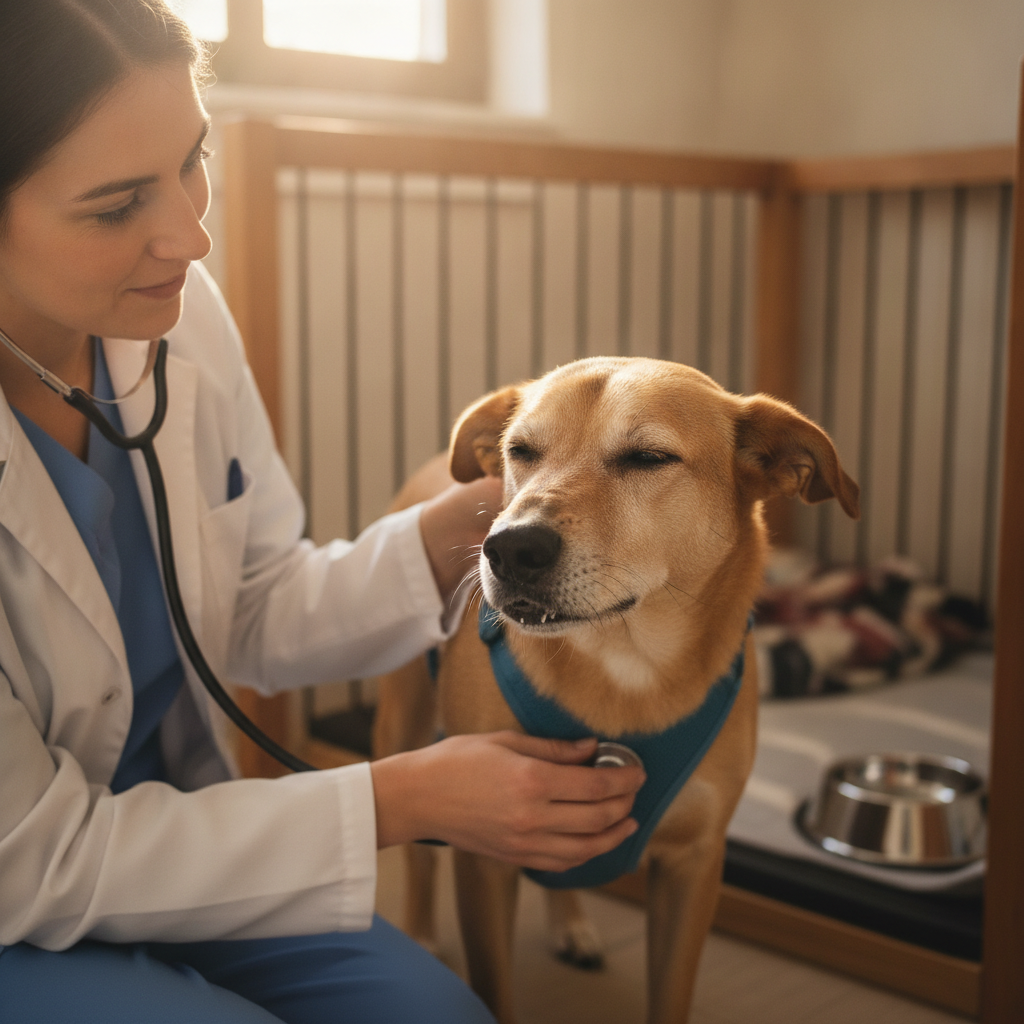
Diagnosing kennel cough typically relies on a thorough clinical examination and the dog's history. Your veterinarian will listen to your dog's chest, check for fever, and ask about recent exposure to other dogs or visits to high-risk environments. A characteristic 'tracheal pinch' test, where gentle pressure on the dog's windpipe elicits a strong cough, often confirms suspicion. In most mild, uncomplicated cases, further diagnostic tests are not necessary. However, if symptoms are severe, prolonged, or if the dog is showing signs of pneumonia (e.g., difficulty breathing, crackles in the lungs), your vet might recommend additional diagnostics such as chest X-rays to assess lung involvement or even PCR testing to identify specific pathogens, although the latter is less common in routine practice here in Morocco due to cost and availability, and typically reserved for outbreaks or research.
Treatment: When are Antibiotics Needed?
It is important to remember that kennel cough is often self-limiting, meaning the viral components resolve on their own within 7-10 days, similar to a human cold. In these cases, treatment focuses on supportive care: rest, ensuring good hydration, and maintaining a comfortable environment. Some veterinarians may prescribe cough suppressants (e.g., butorphanol, hydrocodone, or dextromethorphan) to alleviate discomfort, but these should only be used under veterinary guidance, as suppressing a productive cough can sometimes be counterproductive.
Antibiotics, crucially, are only effective against bacterial infections. They are NOT effective against viruses. Therefore, antibiotics are primarily prescribed in cases where Bordetella bronchiseptica is suspected to be a primary pathogen, or more commonly, to prevent or treat secondary bacterial infections, such as pneumonia, which can develop in weakened respiratory systems. Responsible antibiotic use is paramount to combat antimicrobial resistance, a global concern. Common antibiotics available in Morocco and frequently used for kennel cough include Doxycycline (often a first-line choice for Bordetella due to its efficacy and good tissue penetration) and Amoxicillin-clavulanate. These medications should only be administered under the direct prescription and supervision of a veterinarian. Pet owners and rescuers must complete the full course of antibiotics, even if the dog's symptoms improve, to ensure complete eradication of the bacteria and prevent resistance.
When Does Kennel Cough Become Serious?
While most cases of kennel cough are mild, it is vital to recognize the signs that indicate a more serious underlying problem requiring immediate veterinary intervention. These include:
- Persistent or worsening cough: A cough that lasts longer than 10-14 days, or becomes more severe.
- Lethargy and loss of appetite: If your dog becomes unusually tired, withdrawn, or refuses to eat and drink.
- Fever: A rectal temperature above 39.5°C (103°F).
- Difficulty breathing: Labored breathing, rapid shallow breaths, open-mouth breathing, or blue-tinged gums are emergency signs indicating severe respiratory distress, potentially due to pneumonia.
- Mucopurulent nasal discharge: Thick, yellowish or greenish discharge from the nose, suggesting a bacterial infection.
Puppies, senior dogs, and immunocompromised dogs (e.g., those with underlying health conditions or on immunosuppressive medications) are particularly vulnerable to developing complications like pneumonia. For rescued animals in Morocco, often with unknown health histories or compromised immune systems due to malnutrition or previous illness, vigilance for these serious signs is even more critical.
Prevention
The best approach to kennel cough is prevention. Vaccination is a cornerstone of protection. Vaccines are available in Morocco against Bordetella bronchiseptica (often intranasal or oral, providing faster local immunity), canine parainfluenza virus, and canine adenovirus type 2. These vaccines are highly recommended, especially for dogs that frequent dog parks, boarding kennels, or shelters. For Animal SoulSaver, vaccinating all incoming rescued dogs is a priority to prevent outbreaks.
Other preventive measures include: Isolation:* Keep sick dogs away from healthy ones to prevent spread. Hygiene:* Thoroughly clean and disinfect shared spaces, food bowls, and bedding. Avoidance:* Limit exposure to large groups of unknown dogs, especially during outbreaks.
Conclusion
Kennel cough is a common and highly contagious canine illness that pet owners and rescuers in Morocco should be well-informed about. While often mild, it possesses the potential to escalate into serious conditions, particularly in vulnerable populations. Early recognition of symptoms, prompt veterinary consultation, responsible use of antibiotics when indicated, and robust vaccination programs are key to safeguarding our canine companions' health. Always consult your veterinarian for an accurate diagnosis and appropriate treatment plan for your dog.