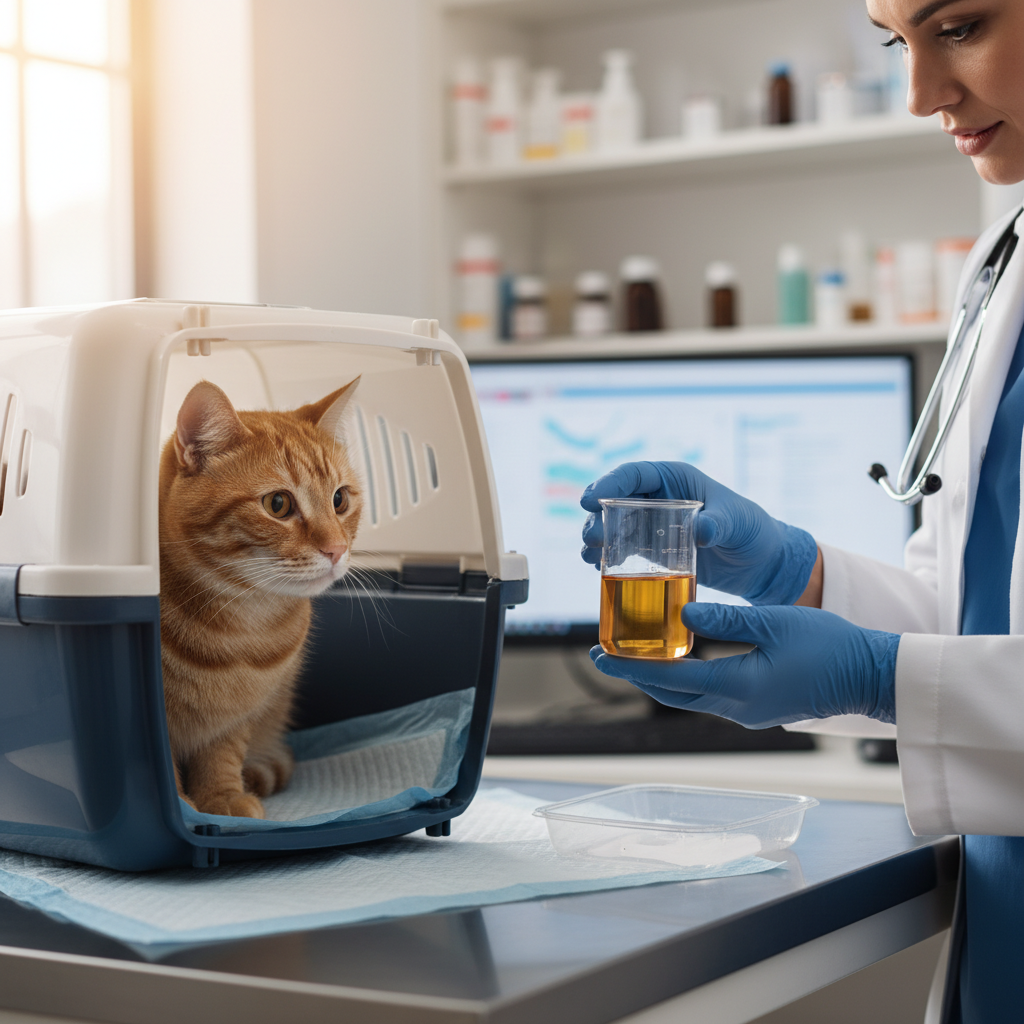
Understanding Feline Lower Urinary Tract Disease (FLUTD)
Feline Lower Urinary Tract Disease (FLUTD) is a general term for a group of conditions that affect a cat's bladder and urethra. It's a distressingly common ailment, causing pain, discomfort, and potentially life-threatening emergencies. While FLUTD can have various causes, including urinary stones (struvite or calcium oxalate), bacterial infections (less common in young cats), or urethral plugs (a mix of cells, mucus, and crystals), the most frequent diagnosis is Feline Idiopathic Cystitis (FIC), a stress-related inflammatory condition of the bladder with no identifiable cause.
In Morocco, where many cats live indoors or in mixed indoor/outdoor environments, factors like limited access to fresh, flowing water, reliance on dry kibble, and environmental stressors can contribute to the prevalence of FLUTD. Our often warm climate also necessitates diligent hydration management.
The Life-Threatening Emergency: Urethral Obstruction
Among the various forms of FLUTD, urethral obstruction – often referred to as a 'blocked cat' – is a critical, life-threatening emergency, particularly for male cats due to their narrower urethra. A blocked cat cannot urinate at all, leading to a rapid build-up of toxins, electrolytes, and pressure in the bladder. If not treated within 24-48 hours, this can lead to kidney failure, heart complications, and ultimately, death.
Signs of a blocked cat include frequent attempts to urinate with little to no urine production, straining, crying or vocalizing while attempting to urinate, licking the genital area excessively, lethargy, loss of appetite, vomiting, and a painful, distended abdomen. If you observe ANY of these signs, seek immediate veterinary attention. This is not a situation that can wait. While specialized 24/7 emergency veterinary clinics might be more common in major Moroccan cities like Casablanca or Rabat, it is imperative for owners and rescuers across the country to identify their nearest veterinary facility capable of handling such an emergency and transport the cat without delay. Treatment typically involves sedation, catheterization to relieve the obstruction, intravenous fluid therapy to correct electrolyte imbalances and support kidney function, and pain medication.
Dietary Management: A Cornerstone of Prevention
Diet plays a pivotal role in managing and preventing FLUTD. The primary goal is to increase water intake and dilute the urine, making it less concentrated and less likely for crystals to form or for inflammation to occur.
1. Wet Food is Key: Transitioning from an exclusive dry kibble diet to wet food (canned or pouches) is one of the most impactful changes you can make. Wet food has a significantly higher moisture content, directly increasing a cat's water intake. In Morocco's warm climate, this is especially vital. 2. Prescription Urinary Diets: For cats with a history of FLUTD, your veterinarian may recommend specific prescription urinary diets (e.g., Royal Canin Urinary S/O, Hill's Prescription Diet c/d). These diets are formulated to control urine pH, dissolve existing struvite stones, or prevent the formation of both struvite and calcium oxalate crystals. These specialized foods are generally available through veterinary clinics and well-stocked pet stores across Morocco. 3. Encourage Water Intake: Beyond wet food, ensure multiple fresh water sources are available in quiet, accessible locations. Water fountains can entice cats to drink more. Adding a little water or low-sodium broth to wet food can also help.
Stress Reduction: A Critical Factor
Given the strong link between stress and Feline Idiopathic Cystitis (FIC), managing a cat's environment to minimize anxiety is crucial.
1. Environmental Enrichment: Provide ample resources like scratching posts, climbing trees, hiding spots, and interactive toys. Vertical space is particularly important. A predictable routine helps reduce anxiety. 2. Litter Box Management: Ensure enough litter boxes (rule of thumb: number of cats + 1), keep them scrupulously clean, place them in quiet, private locations, and use a litter type your cat prefers. Avoid strong scents. 3. Pheromone Diffusers: Products like Feliway (available in many Moroccan pet shops and vet clinics) release synthetic feline facial pheromones that can help create a calming environment. 4. Multi-Cat Households: Manage inter-cat aggression or tension by ensuring separate feeding stations, litter boxes, and resting areas. 5. Minimize Changes: Cats thrive on routine. Try to minimize sudden changes to their environment, schedule, or diet.
Long-Term Management and Monitoring
FLUTD can be a chronic condition requiring ongoing vigilance. Regular veterinary check-ups are essential to monitor your cat's urinary health, especially if they have a history of the disease. Observe your cat's litter box habits daily, noting any changes in frequency, quantity, or discomfort. Early detection and proactive management, combining appropriate diet, stress reduction, and prompt veterinary intervention for emergencies, are key to ensuring a long, healthy, and comfortable life for your beloved feline companion. Animal SoulSaver (جمعية حماية ارواح الحيوانات) urges all cat guardians to take these recommendations seriously for the welfare of their animals.
References: - Buffington, C. A. T., et al. (2018). Feline idiopathic cystitis. Journal of the American Veterinary Medical Association, 253(12), 1541-1550. - Forrester, S. D., & Towell, T. L. (2015). Feline Lower Urinary Tract Disease. Veterinary Clinics: Small Animal Practice, 45(4), 677-698.