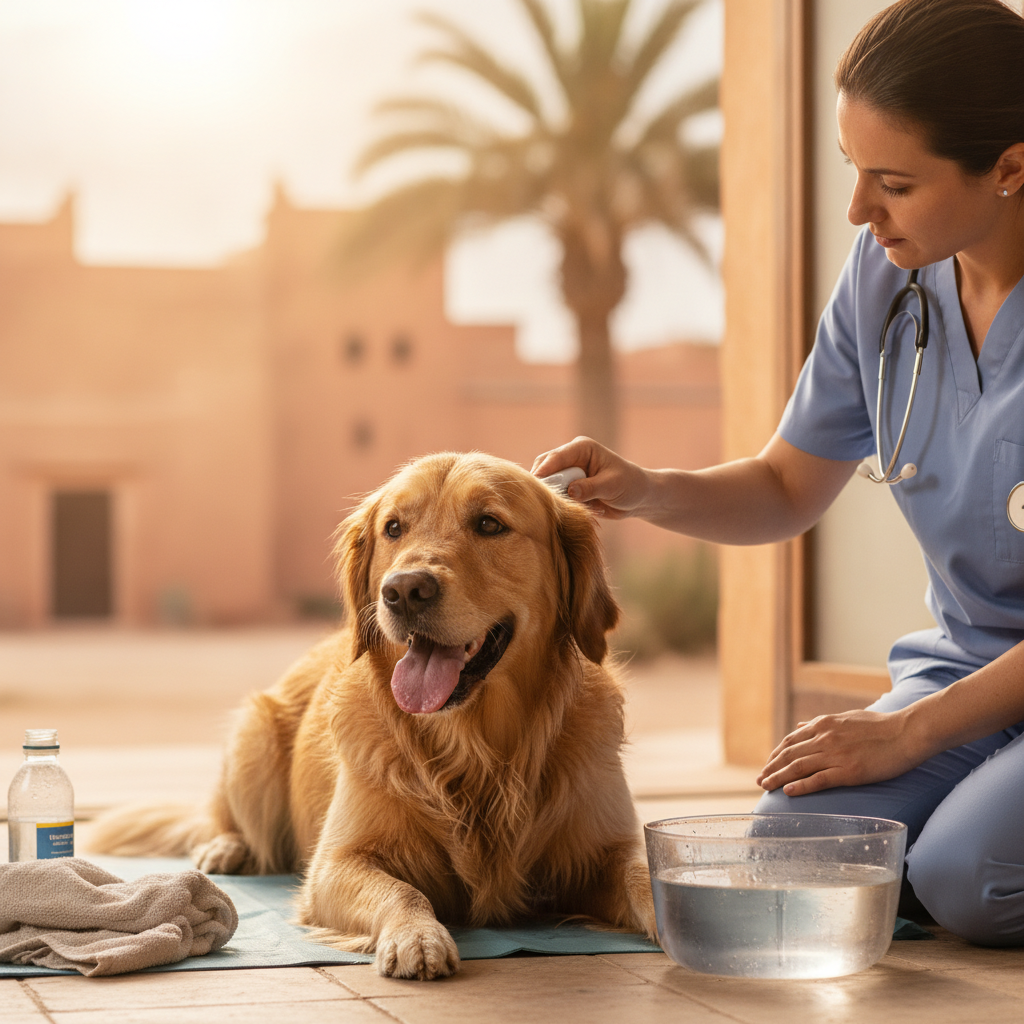
As the scorching Moroccan summer approaches, Animal SoulSaver (جمعية حماية ارواح الحيوانات) urges all pet owners and rescuers to be extra vigilant about the dangers of heatstroke and dehydration in dogs. These conditions are not just uncomfortable; they are life-threatening emergencies that demand immediate attention. Understanding the risks, recognizing the signs, and knowing how to act can save a dog's life.
Understanding Heatstroke and Dehydration
Dogs are particularly susceptible to heat-related illnesses because they cannot sweat effectively like humans. Their primary cooling mechanism is panting. When the ambient temperature rises, especially with high humidity, panting becomes less efficient, and their body temperature can dangerously elevate. This leads to hyperthermia, commonly known as heatstroke, a severe condition where the body's thermoregulation system fails. Dehydration, on the other hand, is a lack of sufficient body fluid, often exacerbated by excessive panting or lack of water intake in hot weather. Both conditions can quickly lead to organ damage, neurological issues, and even death.
Identifying the Warning Signs
Early recognition is crucial. For dehydration, look for dry, sticky gums, sunken eyes, lethargy, loss of skin elasticity (skin tenting – gently pinch skin on the back, it should snap back quickly), and reduced urination. Signs of heatstroke are more acute and severe: excessive, rapid panting; bright red or pale gums; profuse drooling; weakness or staggering; vomiting and diarrhea (sometimes bloody); muscle tremors; seizures; and ultimately, collapse and loss of consciousness. If you observe any of these severe signs, consider it an emergency.
Immediate First Aid: What to Do (and Not Do!)
If you suspect heatstroke or severe dehydration, immediate action is vital while preparing for transport to a vet. First, move the dog to a cooler, shaded environment or an air-conditioned space. Offer small amounts of cool (not ice-cold) water to drink, but do not force it. Begin active cooling: wet the dog with cool water, focusing on the armpits, groin, and paw pads. Use wet towels on these areas and replace them frequently. A fan can aid evaporative cooling. Do NOT use ice-cold water or immerse the dog in an ice bath, as this can cause peripheral vasoconstriction, trapping heat in the core, and can induce shock. Monitor their temperature if possible, aiming to lower it gradually to 39.5°C before heading to the vet. Do not overcool. Even if the dog seems to recover, veterinary assessment is imperative due to potential hidden organ damage.
Prevention is Key
Preventing heatstroke and dehydration is far easier than treating them. Here’s how: Walks:* Schedule walks during the coolest parts of the day – early morning or late evening. Avoid asphalt and concrete during peak sun hours, as they can burn paw pads. Water:* Always provide fresh, clean water in multiple bowls around the house and carry water during walks. Consider adding ice cubes to water bowls. Shade:* Ensure constant access to shade when outdoors. Never in a Car:* Absolutely never leave a dog unattended in a parked car, even for a few minutes with windows slightly open. Interior temperatures can skyrocket quickly. Grooming:* Regular grooming, especially for long-haired or double-coated breeds, can help. However, avoid shaving down to the skin, as a protective layer can actually help insulate from the sun. Cooling Aids:* Cooling mats, vests, or bandanas can provide additional relief. Monitor:* Pay close attention to older dogs, brachycephalic (flat-faced) breeds like Pugs and Bulldogs, overweight dogs, and those with underlying health conditions, as they are at higher risk.
Emergency Veterinary Care in Morocco
Upon arrival at a veterinary clinic in Morocco, the vet will continue active cooling measures and assess the dog's condition. Treatment typically involves intravenous (IV) fluid therapy (e.g., Ringer's Lactate or 0.9% NaCl solution) to rehydrate and support organ function, often administered via a catheter. Blood tests will be performed to check for electrolyte imbalances, organ damage (kidneys, liver), and clotting abnormalities. Medications like anti-emetics (e.g., maropitant, available locally as 'Cerenia' or generic equivalents) may be given to control vomiting. In severe cases, oxygen therapy, medications to reduce brain swelling, or even blood transfusions might be necessary. The prognosis depends heavily on the severity of the heatstroke and how quickly treatment is initiated. Many veterinary clinics are equipped to handle these emergencies, especially in major cities like Casablanca, Rabat, Marrakech, and Fes. Always call ahead if possible to ensure the clinic is ready for your arrival.
Conclusion
Moroccan summers are beautiful but unforgiving for our canine friends. By understanding the dangers of heatstroke and dehydration, acting swiftly with first aid, prioritizing prevention, and seeking prompt veterinary care, we can ensure our dogs stay safe and healthy. Animal SoulSaver encourages everyone to be an advocate for animal welfare. Share this information, spread awareness, and let's protect the precious souls in our care.