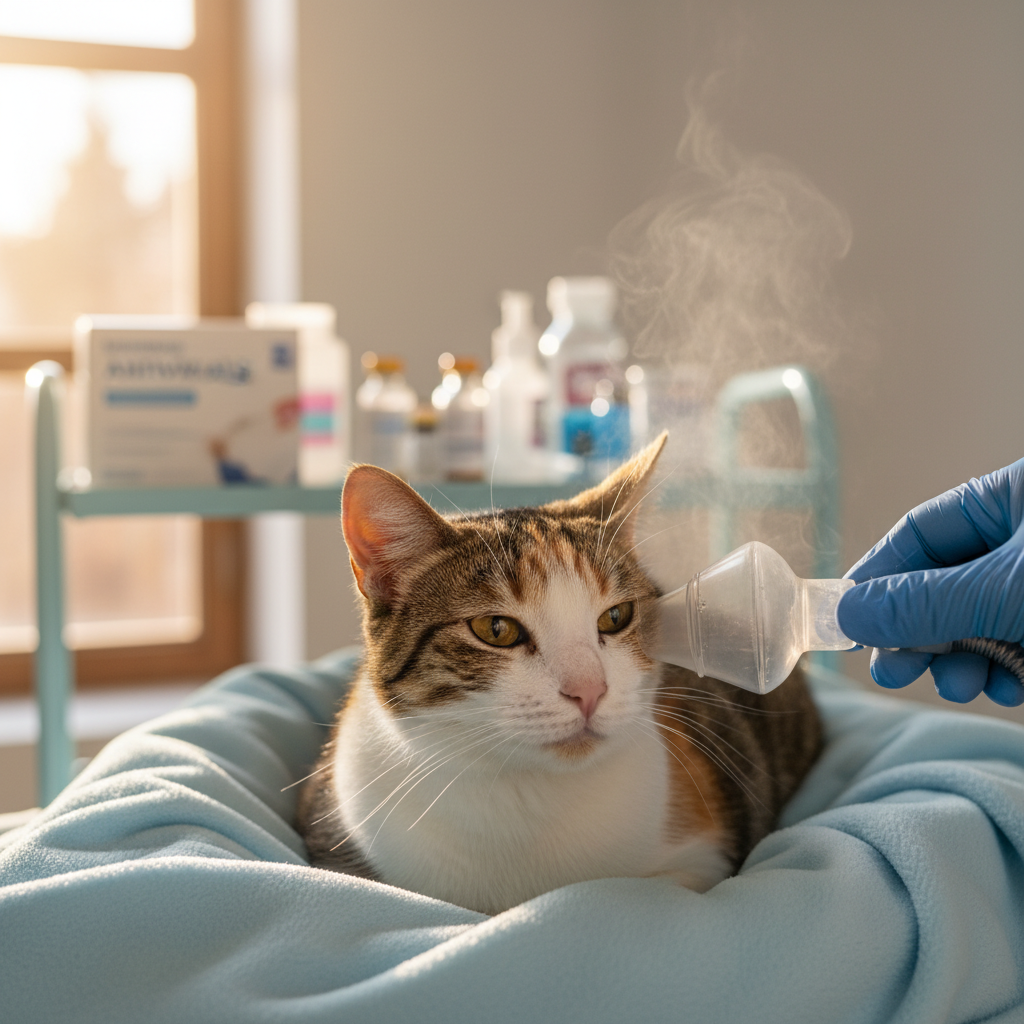
From the team at Animal SoulSaver (جمعية حماية ارواح الحيوانات), we understand the challenges pet owners and rescuers face when their beloved cats fall ill. One of the most common and often distressing conditions affecting felines is the Feline Coryza Complex (FCC), a highly contagious respiratory disease. Often referred to as 'cat flu,' FCC is typically caused by a combination of two primary viruses: Feline Calicivirus (FCV) and Feline Herpesvirus type 1 (FHV-1), often complicated by secondary bacterial infections. This article aims to equip you with the knowledge to understand, treat, and prevent this pervasive illness, with a focus on our Moroccan context.
Understanding the Feline Coryza Complex (FCC)
Feline Herpesvirus (FHV-1) primarily affects the upper respiratory tract and eyes, causing sneezing, nasal discharge, conjunctivitis, and corneal ulcers. It can lead to latent infections, meaning a cat can become a carrier and shed the virus periodically, especially during stress. Feline Calicivirus (FCV) presents similar respiratory signs but is also known for causing oral ulcers, lameness, and sometimes more severe, systemic forms of the disease. Both viruses are highly contagious and spread through direct contact with infected cats' secretions (saliva, nasal, and ocular discharge) or contaminated environments. In Morocco's often dense cat populations, particularly in shelters or colonies, transmission is rapid.
Treatment Protocols: A Multifaceted Approach
Treatment for FCC is primarily supportive, focusing on managing symptoms and preventing secondary complications. Since antibiotics do not kill viruses, they are reserved for tackling secondary bacterial infections, which are very common and can worsen the cat's condition. Early veterinary intervention is crucial.
1. Supportive Care: This is the cornerstone of treatment. Hydration and Nutrition*: Sick cats often lose their appetite. Offer highly palatable, warmed food. If anorexia persists, your vet might recommend appetite stimulants or syringe feeding. In cases of dehydration, subcutaneous fluid administration may be necessary. Nasal and Ocular Hygiene*: Gently wipe away discharge from the eyes and nose with a warm, damp cloth. Saline nasal drops can help clear congested airways. Humidification (e.g., steam from a hot shower, nebulizer) can also ease breathing, especially helpful in Morocco's drier climates. Environment*: Keep the cat in a warm, quiet, stress-free environment.
2. Antiviral Medications: For FHV-1, some vets may recommend L-lysine, though recent research (e.g., J Vet Intern Med. 2015;29(4):1070-7) has questioned its efficacy. More potent antivirals like famciclovir exist but are expensive and less commonly used in general practice in Morocco.
3. Antibiotics for Secondary Bacterial Infections: These must be prescribed by a veterinarian based on the cat's condition. Commonly available antibiotics in Morocco that may be used include: Doxycycline: Often a first-line choice for respiratory infections, particularly effective against organisms like Chlamydophila felis and Mycoplasma*. Amoxicillin-clavulanate*: (e.g., Synulox or Clavaseptin equivalents) A broad-spectrum antibiotic effective against many common bacterial pathogens. Fluoroquinolones (e.g., Marbofloxacin/Marbocyl, Enrofloxacin/Baytril)*: Reserved for more severe infections or when other antibiotics are ineffective, due to concerns about antibiotic resistance. Their use should be judicious and ideally guided by culture and sensitivity testing. Topical Ocular Antibiotics*: Eye drops or ointments (e.g., containing tobramycin, chloramphenicol, or fusidic acid) are used for bacterial conjunctivitis or corneal ulcers.
Prevention: The Best Defense
Prevention is paramount, especially in a country with a significant stray cat population like Morocco, where exposure is high.
1. Vaccination: Core vaccines for cats include components for FCV and FHV-1. While vaccination doesn't always prevent infection, it significantly reduces the severity of the disease and viral shedding. Ensure your cat receives its primary vaccination series as a kitten and regular boosters as advised by your veterinarian.
2. Hygiene and Biosecurity: FCV is hardy and can survive in the environment. Regular cleaning and disinfection with effective virucidal agents (e.g., diluted bleach) are crucial, especially in multi-cat households or shelters. Isolate new cats and sick cats immediately. Implement strict hand hygiene for anyone handling multiple cats.
3. Stress Reduction: Stress can trigger FHV-1 shedding in carrier cats. Provide a stable, enriching environment with hiding spots, separate resources (food, water, litter boxes), and consistent routines.
4. Nutrition and Immune Support: A high-quality diet supports a robust immune system. Consider supplements like probiotics or omega-3 fatty acids under veterinary guidance.
Morocco-Specific Considerations
Morocco's climate, with its varying humidity and dust levels, can sometimes exacerbate respiratory symptoms. The high number of stray cats means that even indoor cats are at risk if they have outdoor access or encounter new, unvaccinated felines. Animal SoulSaver strongly urges all cat owners and rescuers to work closely with their local veterinarians. They can provide accurate diagnosis, prescribe appropriate medications from local pharmacies (which are generally well-stocked with common veterinary antibiotics), and tailor prevention plans to your specific situation. Early detection and intervention save lives and prevent suffering.
By understanding Feline Coryza Complex and implementing these proactive measures, we can collectively improve the health and well-being of our cherished feline companions across Morocco. Your efforts make a world of difference!