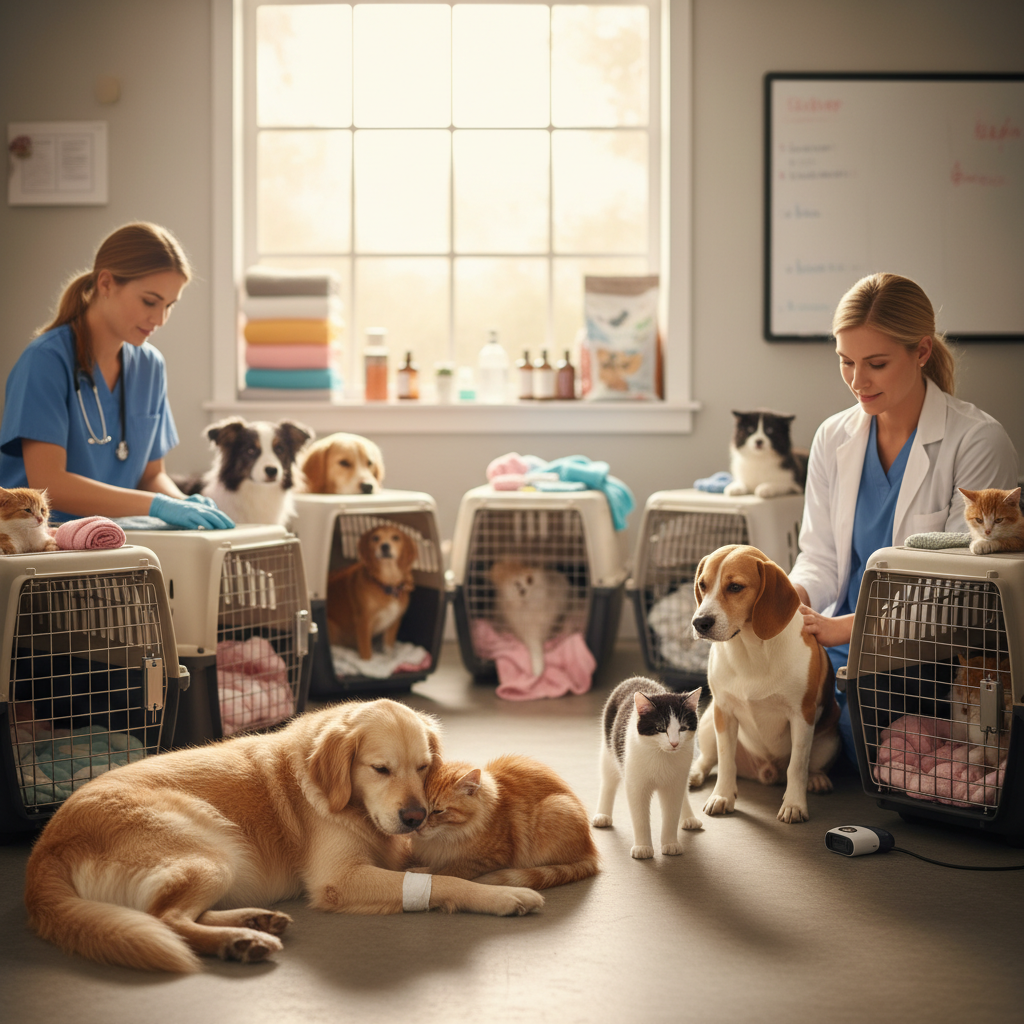
The increasing number of stray animals in Morocco presents a significant challenge, driving a growing need for organized, compassionate animal rescue efforts. At Animal SoulSaver, we believe that every animal deserves a chance at a safe and healthy life. For those passionate about making a tangible difference, setting up an animal rescue operation can be incredibly rewarding. This guide outlines the crucial steps to establish an effective and sustainable rescue, tailored to the Moroccan context.
The Legal Foundation: Becoming an Official Association in Morocco
Establishing legal standing is the first and most vital step. In Morocco, this means registering your rescue as an "association" (جمعية) under Dahir 1.58.376 of November 15, 1958, as modified and completed. This legal framework grants your organization the right to operate, open bank accounts, seek funding, and enter into formal partnerships.
To register, you'll need a founding general assembly, where you define your association's objectives, draft its statutes (bylaws), and elect a governing board. These documents, along with a list of founding members and their identification, must be submitted to the local authorities (Préfecture or Wilaya). Securing this legal status protects your work and builds trust with the public and potential donors. Additionally, if you plan to operate a physical shelter, consult with local authorities regarding any specific permits or regulations related to animal housing and welfare standards.
Building a Strong Veterinary Partnership
A robust partnership with local veterinarians is the backbone of any successful animal rescue. Vets provide essential medical care, expertise, and often, invaluable support. Start by reaching out to veterinary clinics in your area to discuss potential collaborations. Formal agreements, such as Memorandums of Understanding (MOUs), can outline discounted rates for services, emergency protocols, and specific assistance (e.g., pro-bono spay/neuter campaigns).
Key veterinary services for a rescue include comprehensive health checks, core vaccinations (rabies, parvovirus, distemper for dogs; panleukopenia, calicivirus, herpesvirus for cats – all widely available in Morocco), deworming, and external parasite control (crucial given the prevalence of fleas, ticks, and Leishmaniasis in Morocco's climate). Spay/neuter operations are paramount for population control, aligning with evidence-based TNR (Trap-Neuter-Return) strategies. Vets can also provide training for volunteers on basic first aid, medication administration under supervision, and recognizing signs of illness or distress, such as severe dehydration common during Morocco's hot summers.
Sustainable Funding: Fueling Your Mission
Financial stability is crucial for long-term impact. Diversifying your fundraising strategies is key. Start with your local community: organize adoption events, bake sales, or local bazaars. Reach out to local businesses for sponsorships or in-kind donations of pet food and supplies.
Leverage the power of social media (Facebook, Instagram, WhatsApp groups popular in Morocco) for appeals, sharing success stories, and transparency regarding how funds are used. Online crowdfunding platforms can also be effective. Don't overlook grant opportunities from international animal welfare organizations or corporate social responsibility programs. Always maintain transparent financial records to build and maintain donor trust.
Empowering Your Team: Volunteer Recruitment and Management
Volunteers are the heart and soul of an animal rescue. Recruit passionate individuals through social media, university clubs, and community outreach. Once recruited, comprehensive training is essential.
Training should cover safe animal handling techniques (for various temperaments), basic animal first aid (wound care, recognizing shock, signs of heatstroke), understanding common diseases prevalent in Morocco (e.g., parvovirus, distemper, rabies symptoms), and strict hygiene and biosecurity protocols to prevent disease transmission. Emphasize volunteer safety, especially regarding zoonotic diseases and handling potentially stressed or injured animals.
Effective management involves clear roles and responsibilities, a reliable scheduling system, regular communication, and creating a supportive, appreciative environment. Recognize their contributions regularly to foster motivation and retention. A well-trained and well-managed volunteer team ensures efficient operations and high-quality care for rescued animals.
Conclusion
Setting up an animal rescue in Morocco is a challenging yet profoundly rewarding endeavor. By meticulously establishing your legal framework, forging strong veterinary alliances, developing sustainable fundraising models, and empowering a dedicated volunteer team, you can create a lasting positive impact on the lives of countless animals. Animal SoulSaver stands with you in this noble mission, offering guidance and support as we collectively strive for a more compassionate Morocco.