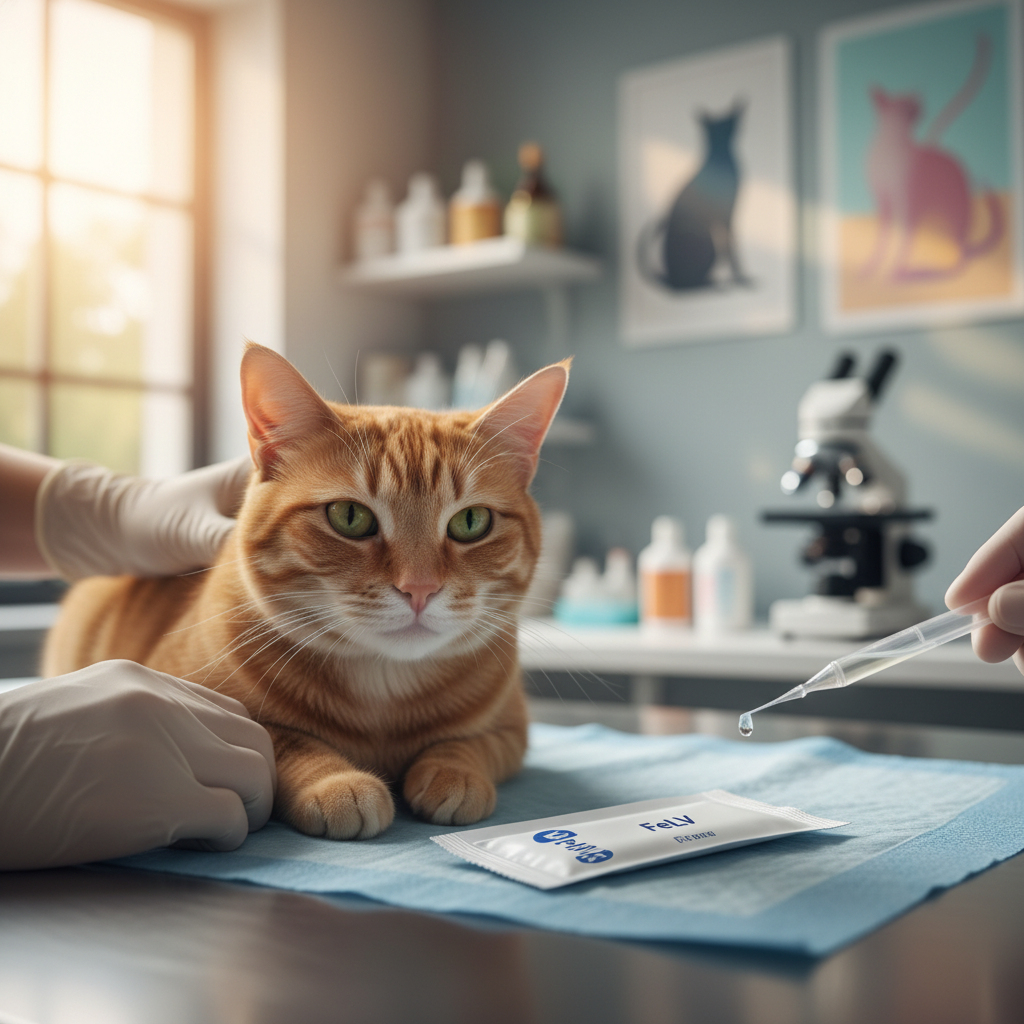
Living with FeLV: Understanding, Managing, and Preventing Feline Leukemia Virus
Feline Leukemia Virus (FeLV) is a significant health concern for cats worldwide, including here in Morocco. It's a retrovirus that can severely compromise a cat's immune system, making them susceptible to various secondary infections and certain types of cancer. For Animal SoulSaver, understanding FeLV is crucial for protecting the feline population and providing the best care for our beloved companions.
Understanding FeLV: A Persistent Threat
FeLV is transmitted primarily through saliva, nasal secretions, urine, and feces. Common routes of infection include mutual grooming, shared food and water bowls, and bite wounds. Kittens can also contract the virus from an infected mother during gestation or nursing. Once infected, some cats develop a strong immune response and clear the virus, becoming immune. Others become persistently infected, meaning the virus replicates and sheds continuously, posing a risk to other cats. This persistent infection can lead to a range of health issues, from chronic anemia and immune suppression to lymphomas and leukemias.
Testing for FeLV: Early Detection is Key
Early and accurate testing is paramount for managing FeLV. Several types of tests are available:
- ELISA (Enzyme-Linked Immunosorbent Assay): Often performed in-clinic (e.g., SNAP tests readily available in most Moroccan veterinary clinics), this test detects the p27 viral antigen in the blood. It's excellent for initial screening and identifying persistently infected cats. A positive ELISA result should ideally be confirmed, especially in asymptomatic cats.
- IFA (Immunofluorescence Assay): This test is usually sent to a reference lab and detects the p27 antigen within specific white blood cells (neutrophils and platelets). A positive IFA confirms productive infection in the bone marrow, indicating a persistent, lifelong infection and poor prognosis for clearing the virus.
- PCR (Polymerase Chain Reaction): PCR tests detect viral DNA or RNA and can be useful for ambiguous cases, detecting early infections before antigen shedding, or identifying latent infections. Discuss with your veterinarian if this advanced testing is suitable.
All new cats entering a household or rescue facility, sick cats, and cats potentially exposed to FeLV should be tested. Retesting is often recommended 4-8 weeks after an initial positive ELISA, especially for young cats, to determine if they clear the infection.
Prognosis and Life Expectancy: Not a Death Sentence
While an FeLV diagnosis can be daunting, it is not an immediate death sentence. Many FeLV-positive cats can live long, comfortable lives, often for several years after diagnosis. The prognosis depends heavily on the cat's age at infection, the specific strain of the virus, and the presence of any secondary diseases. Regular veterinary care, a high-quality diet, and a stress-free environment are crucial for extending their lifespan and maintaining their quality of life. Some cats may live for 5 years or more, while others may succumb to related illnesses sooner.
Managing the FeLV+ Cat: A Commitment to Care
Caring for an FeLV-positive cat requires dedication but is incredibly rewarding. Here’s how you can provide the best care:
- Regular Veterinary Check-ups: Schedule veterinary visits every 6 months, even if your cat appears healthy. Your vet can monitor for subtle signs of disease progression, perform routine blood work (CBC, biochemistry), and address issues promptly. In Morocco, regular access to veterinary care is becoming more widespread, making this manageable.
- Strictly Indoor Lifestyle: FeLV-positive cats must live indoors to prevent transmitting the virus to other cats and to protect their compromised immune system from outdoor pathogens. This is especially important in Morocco's warmer climate, where exposure to parasites and other environmental stressors can be higher.
- Nutrition and Environment: Provide a high-quality, balanced diet. Minimize stress in their environment, ensuring a clean, quiet, and enriching home. Separate food and water bowls and litter boxes from other cats if they cohabitate.
- Preventive Healthcare: Maintain a rigorous parasite control program (fleas, ticks, internal worms) as immunosuppressed cats are more vulnerable. Consult your vet on appropriate, non-adjuvanted vaccines for common diseases, as their immune response might be weaker.
- Symptom Management: Be vigilant for any changes in appetite, energy levels, breathing, or bowel habits. Early intervention for secondary infections (e.g., respiratory infections, stomatitis, skin issues) is vital. Common antibiotics and anti-inflammatory medications are generally available through Moroccan veterinarians.
- Antiviral and Immunomodulatory Therapies: While specific antiviral drugs for FeLV are limited and often expensive (e.g., Feline Omega Interferon, which may not be consistently available in Morocco), your vet can discuss supportive therapies to boost immunity or manage specific symptoms. The focus remains on supportive care and preventing secondary diseases.
Preventing Transmission: Protecting the Feline Community
Prevention is the cornerstone of controlling FeLV:
- Test All New Cats: Before introducing any new cat to your home, ensure they are tested for FeLV. If negative, consider vaccination.
- Vaccination: An effective FeLV vaccine is available and highly recommended for all FeLV-negative cats at risk of exposure (e.g., outdoor cats, cats in multi-cat households where status is unknown, or those participating in TNR programs). The vaccine significantly reduces the risk of infection. Discuss the appropriate vaccination protocol with your Moroccan vet.
- Isolation of Infected Cats: Ideally, FeLV-positive cats should live separately from FeLV-negative cats. If cohabitation is unavoidable, strict hygiene, separate resources (bowls, litter boxes), and constant monitoring are essential.
- Spay/Neuter: Sterilization reduces fighting and roaming, which are common ways FeLV spreads among community cats. This is a critical component of Animal SoulSaver's TNR (Trap-Neuter-Return) efforts in Morocco.
By understanding FeLV, committing to responsible testing, and providing compassionate care, we can significantly improve the lives of FeLV-positive cats and safeguard the health of our wider feline community. Consult your local veterinarian for personalized advice and support.