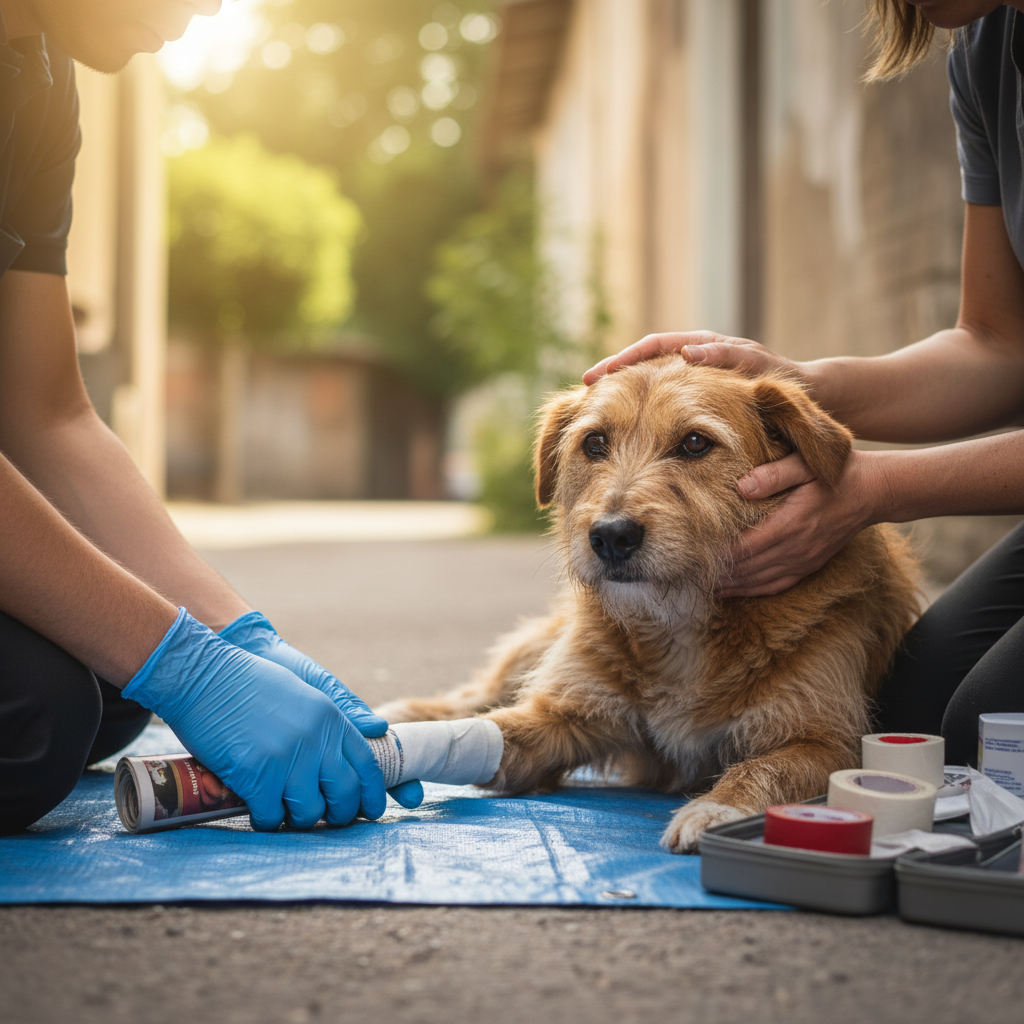
Understanding Fracture First Aid for Stray Dogs
At Animal SoulSaver (جمعية حماية ارواح الحيوانات), we understand the urgency and compassion that drives our community to help injured stray dogs. A suspected fracture is a serious emergency requiring immediate, calm, and informed action. Proper first aid can significantly improve a dog's prognosis, reduce pain, and prevent further injury during the critical period before veterinary care. This guide provides evidence-based steps for rescuers in Morocco.
Immediate Assessment and Safety First
Before approaching an injured dog, prioritize your safety. A dog in pain may react defensively, even if typically docile. Observe from a distance for signs of pain (whimpering, limping, reluctance to move, guarding the limb, aggression). Approach slowly, speaking in a calm, soothing voice. If the dog shows signs of aggression or extreme fear, it's safer to contact experienced animal control or a veterinarian for assistance. Once safe, assess the injury. Look for obvious deformities, swelling, open wounds (compound fractures), or inability to bear weight. Do not attempt to reset a bone.
Stabilizing the Injury: Gentle Handling is Key
Minimizing movement of the injured limb is paramount. Any unnecessary motion can exacerbate pain, cause further tissue damage, or turn a simple fracture into a compound one. If there's active bleeding, apply gentle direct pressure with a clean cloth. For suspected spinal or pelvic fractures (if the dog cannot move its hind legs or has severe back pain), the dog should be moved as little as possible, ideally on a rigid, flat surface. Current veterinary protocols emphasize stabilizing the animal as a whole before focusing on the fracture.
Temporary Splinting: When and How to Apply
Splinting should only be attempted for fractures of the lower limbs (below the elbow or stifle) and only if you are confident in your technique. Improper splinting can do more harm than good. For upper limb or spinal fractures, avoid splinting and focus solely on minimizing movement during transport.
To apply a temporary splint: 1. Materials: Use readily available materials like rolled newspaper, cardboard, or even a sturdy stick as a rigid support. Padding such as cotton wool or soft cloth should be placed directly around the limb to prevent pressure sores. Secure with self-adhesive bandage or tape (e.g., medical tape, electrical tape, or even strips of cloth). 2. Technique: The goal is to immobilize the joint above and below the fracture. Extend the splint beyond these joints. Wrap padding around the limb, then apply the rigid support, securing it firmly but not too tightly. Ensure you can still slip two fingers under the bandage to avoid restricting circulation. In Morocco's climate, be mindful of heat build-up under bandages; use breathable materials where possible. 3. Caution: If unsure, do not splint. Focus on careful transport instead. Never try to push bone fragments back into an open wound.
Emergency Transport: A Safe Journey to the Vet
Once the injury is stabilized (or if splinting wasn't possible), safe transport to a veterinarian is the next critical step. Use a rigid stretcher, such as a sturdy piece of wood, a flat board, or even a firm blanket held taut by two people, to move the dog. The aim is to keep the spine and injured limb as stable as possible. For stray dogs, securing them gently with a leash or in a crate can prevent escape during transport. In Morocco's often warm climate, ensure the dog is not exposed to direct sun during transport and has adequate ventilation. Contact your nearest vet clinic immediately to inform them of your arrival and the nature of the injury. Animal SoulSaver can assist in connecting you with local veterinary resources.
Post-Surgery Recovery: The Road to Healing
After veterinary assessment, many fractures require surgical intervention. Your role in post-surgery recovery is crucial for a successful outcome. This phase can be challenging, especially for stray dogs who may lack a stable home environment.
1. Follow Vet Instructions: Adhere strictly to the veterinarian's instructions regarding medication, wound care, and activity restriction. Pain management is vital; a vet will prescribe appropriate NSAIDs (Non-Steroidal Anti-Inflammatory Drugs) like Meloxicam or Carprofen, commonly available in Morocco, to manage pain and inflammation. Never administer human medication. 2. Rest and Restricted Activity: The dog will need strict rest. Confine them to a small, safe, quiet space. Prevent jumping, running, or excessive movement, which could compromise the repair. This often means leash walks only, or carrying the dog for short periods. 3. Wound Care: Keep the surgical site clean and dry. Monitor for signs of infection such as redness, swelling, discharge, or foul odor. In Morocco's dusty environments, extra vigilance is needed to prevent contamination. 4. Nutrition and Hydration: Provide a balanced diet and ensure constant access to fresh water to support healing. 5. Follow-up Appointments: Regular check-ups are essential to monitor healing progress, remove sutures, and assess mobility. X-rays will be taken periodically to confirm bone union.
Animal SoulSaver works to find foster homes for recovering strays, providing them with the stable environment they need for full recuperation. Your initial quick and compassionate action sets the stage for their journey to recovery and a pain-free life.