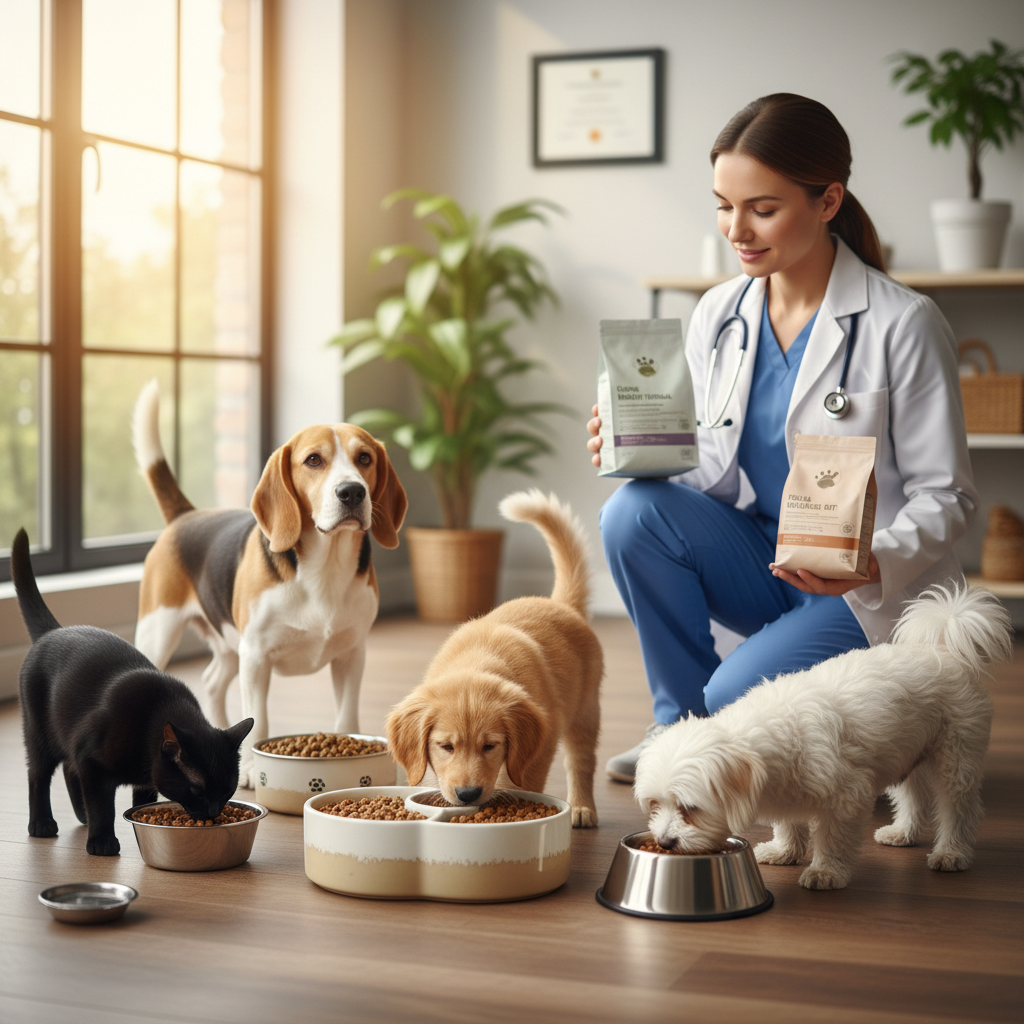
As Animal SoulSaver (جمعية حماية ارواح الحيوانات), we understand that proper nutrition is the cornerstone of a long, healthy, and happy life for our beloved cats and dogs. A well-balanced diet supports everything from a shiny coat and strong bones to a robust immune system and optimal energy levels. However, navigating the world of pet food can be complex. This article provides evidence-based insights into dietary choices, common dangers, and feeding strategies for sick animals.
Commercial Pet Foods: Convenience Meets Science
Commercial pet foods, when chosen wisely, offer a convenient and nutritionally complete option for most pets. Reputable brands formulate their diets based on scientific research to meet the specific needs of different life stages (e.g., puppy, adult, senior) and even certain breeds or health conditions. These diets are typically balanced in protein, fats, carbohydrates, vitamins, and minerals, adhering to standards set by bodies like AAFCO (Association of American Feed Control Officials) or FEDIAF (European Pet Food Industry Federation). In Morocco, while local regulatory bodies exist, it is often imported brands adhering to these international standards that offer the highest quality and reliability.
When selecting commercial food, look for brands with a strong reputation for research and quality control. Consult your veterinarian at local clinics in Casablanca, Rabat, or other cities; they can recommend options suitable for your pet's age, activity level, and any specific health requirements. Beware of marketing gimmicks and always check the ingredient list and nutritional analysis.
Homemade Diets: A Path Paved with Caution
While the idea of preparing fresh meals for your pet might seem appealing, homemade diets are fraught with risks if not formulated by an expert. Studies consistently show that the vast majority of homemade pet food recipes available online or in books are nutritionally unbalanced, leading to serious deficiencies or excesses over time. For cats, a common deficiency is taurine, which can lead to severe heart problems (dilated cardiomyopathy) and blindness. For both cats and dogs, imbalances in calcium and phosphorus are very common, potentially causing skeletal deformities or kidney issues.
If you are considering a homemade diet, it is absolutely crucial to consult a board-certified veterinary nutritionist. These specialists can formulate a balanced diet tailored to your pet's exact needs, using specific ingredients and supplements. Without such expert guidance, you risk compromising your pet's health significantly. Simply feeding cooked meat and vegetables is not enough.
The Hidden Dangers: Toxic Foods for Pets
Many human foods are highly toxic to cats and dogs and must be kept out of reach. Accidental ingestion can lead to severe illness or even death. Common culprits include:
- Chocolate: Contains theobromine, toxic to pets. Darker chocolate is more dangerous.
- Grapes and Raisins: Can cause acute kidney failure in dogs, even in small amounts.
- Onions and Garlic: (and other alliums like leeks, chives) Can cause red blood cell damage, leading to anemia.
- Xylitol: An artificial sweetener found in sugar-free gum, candies, and some peanut butters. Highly toxic, causing rapid insulin release, leading to severe hypoglycemia and liver failure.
- Alcohol and Caffeine: Highly toxic, affecting the nervous system and heart.
- Avocado: Contains persin, which can cause vomiting and diarrhea in some animals, especially birds, but best avoided for cats and dogs too.
- Macadamia Nuts: Can cause weakness, tremors, and hyperthermia.
- Uncooked Yeast Dough: Can expand in the stomach, causing bloating and potentially a life-threatening gastric torsion, and produce alcohol.
If you suspect your pet has ingested a toxic substance, contact your veterinarian immediately. Time is critical in such emergencies.
Nourishing the Ailing: Feeding Sick Animals
Feeding a sick animal requires a delicate approach. Anorexia, vomiting, or diarrhea are common symptoms that necessitate special dietary considerations. The primary goals are to provide easily digestible nutrients, encourage eating, and maintain hydration.
- Anorexia (Loss of Appetite): Offer highly palatable, easily digestible foods. Veterinary prescription convalescence diets (e.g., Royal Canin Convalescence Support, Hill's a/d) are specifically formulated for this purpose and widely available in Moroccan vet clinics. Small, frequent meals are often better tolerated. Your vet might also prescribe appetite stimulants like Mirtazapine or Capromorelin, which are available locally.
- Vomiting and Diarrhea: After a short period of fasting (as advised by your vet), introduce a bland diet gradually. Boiled chicken (skinless, boneless) and plain white rice in small, frequent portions are traditional. However, commercial gastrointestinal prescription diets are superior as they are nutritionally complete and specifically designed for GI upset. Probiotic supplements like FortiFlora or Pro-Kolin are often recommended by Moroccan vets to support gut health.
- Chronic Diseases: Animals with conditions like kidney disease, liver disease, or diabetes require highly specific therapeutic diets. These are prescription-only diets, formulated to manage the disease, and must be fed under strict veterinary guidance. Attempting to manage these conditions with regular or homemade diets without expert formulation can be detrimental.
- Hydration: This is paramount, especially in Morocco's often hot climate. Encourage water intake by offering fresh water in multiple bowls, adding water to wet food, or using water fountains. For severely dehydrated animals, your vet may administer subcutaneous or intravenous fluids.
Always consult your veterinarian for specific dietary recommendations when your pet is ill. They can provide tailored advice based on your pet's diagnosis and medical history.
Moroccan Context & Veterinary Guidance
In Morocco, access to quality pet food and veterinary care is expanding. Reputable international brands of commercial and prescription diets are available through veterinary clinics and specialized pet stores across major cities. Animal SoulSaver encourages all pet owners and rescuers to establish a strong relationship with a trusted local veterinarian. Your vet is your best resource for guidance on nutrition, disease prevention, and treatment, ensuring your companion receives the best possible care for a long and healthy life in Morocco's unique environment.