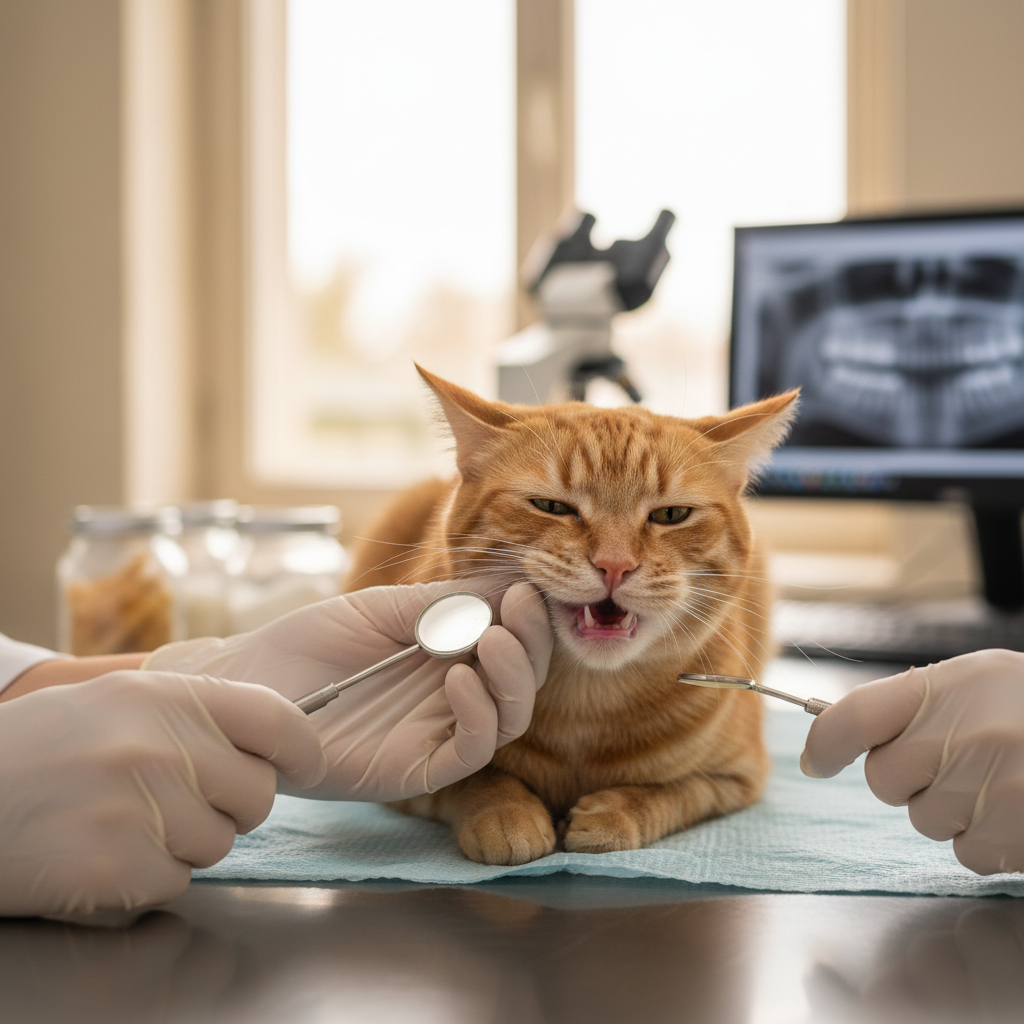
Feline stomatitis, often progressing to Feline Chronic Gingivostomatitis Syndrome (FCGS), is a debilitating and profoundly painful condition affecting cats worldwide, including here in Morocco. It's not just bad breath; it's a severe, chronic inflammation of the oral tissues, causing extreme discomfort and significantly impacting a cat's quality of life. For our beloved companions and the many rescue cats of Animal SoulSaver, understanding and effectively treating FCGS is paramount.
Understanding Feline Stomatitis and FCGS
FCGS is characterized by an exaggerated immune response to plaque bacteria and other oral antigens, leading to widespread inflammation of the gums (gingivitis), the lining of the cheeks (buccal mucosa), and especially the back of the mouth where the palatoglossal arches are located. Cats suffer from intense pain, leading to reluctance to eat, drooling, weight loss, a matted coat (due to inability to groom), and sometimes even aggression because of the constant discomfort. This condition is often diagnosed visually by a veterinarian, but dental radiographs are crucial for assessing the extent of underlying dental disease.
The Cornerstone of Treatment: Dental Extractions
For most cats with FCGS, the most effective and often curative treatment is full or near-full mouth dental extractions. This might sound drastic, but it is the gold standard, providing significant relief for approximately 80% of affected cats. The rationale is to remove the teeth, which act as the primary source of the antigenic trigger that incites the severe immune reaction. The procedure typically involves extracting all premolars and molars, and sometimes even the canines and incisors, depending on the extent of the inflammation. Comprehensive pre-operative dental radiography is indispensable to ensure all affected tooth roots and fragments are identified and removed, preventing future complications. While it's a significant surgery, the vast majority of cats recover remarkably well, often resuming normal eating habits and regaining their playful personalities once the pain is gone.
Bispirazol: A Promising Adjunctive Therapy
Bispirazol, a combination of spiramycin and metronidazole, is a medication often employed as an adjunctive therapy in managing feline stomatitis. Spiramycin is a macrolide antibiotic effective against common oral bacteria, while metronidazole offers both antibacterial and anti-inflammatory properties, which can be particularly beneficial for oral conditions. In Morocco, combinations containing metronidazole and spiramycin are generally available through veterinary pharmacies, either as Bispirazol directly or as separate components. It can be used pre-operatively to reduce inflammation and infection, post-operatively to support healing, or during flare-ups in cats whose FCGS is not fully resolved by extractions. It's important to note that Bispirazol is not a cure for FCGS on its own, as the condition is immune-mediated, but it can significantly alleviate symptoms and reduce bacterial load when used appropriately under veterinary guidance. Long-term, indiscriminate use should be avoided to prevent antibiotic resistance.
Comprehensive Pain Management
Managing the excruciating pain associated with FCGS is critical throughout the treatment process. A multi-modal approach is typically employed:
- Pre-operative: Non-steroidal anti-inflammatory drugs (NSAIDs) like meloxicam (available in Morocco) can reduce inflammation, while gabapentin (also available) can alleviate neuropathic pain and provide sedation, making the cat more comfortable before surgery.
- Intra-operative: Regional nerve blocks using local anesthetics (e.g., bupivacaine) are crucial for immediate pain relief during extractions. Opioids (e.g., buprenorphine, available to veterinarians) are administered for systemic analgesia.
- Post-operative: A combination of NSAIDs, gabapentin, and sometimes oral opioids continues for several days to weeks, ensuring a comfortable recovery. Soft food diets are essential during this period.
Nutritional Support and Aftercare in Morocco
Given the intense pain, cats with FCGS often struggle to eat, leading to malnutrition and dehydration. Providing highly palatable, soft, or liquid diets is crucial. For our Moroccan climate, ensuring constant access to fresh water is vital to prevent dehydration, especially in cats that may be reluctant to drink due to oral pain. Post-extraction care involves monitoring eating habits, administering medications, and regular follow-up visits to the veterinarian. Animal SoulSaver encourages owners and rescuers to seek early veterinary intervention to prevent prolonged suffering.
Early diagnosis and aggressive, appropriate treatment significantly improve the prognosis for cats with FCGS. While dental extractions are often the most effective long-term solution, adjunctive therapies like Bispirazol and meticulous pain management are indispensable components of a successful treatment plan. By working closely with your veterinarian, you can help your feline friend overcome this painful condition and live a comfortable, happy life.