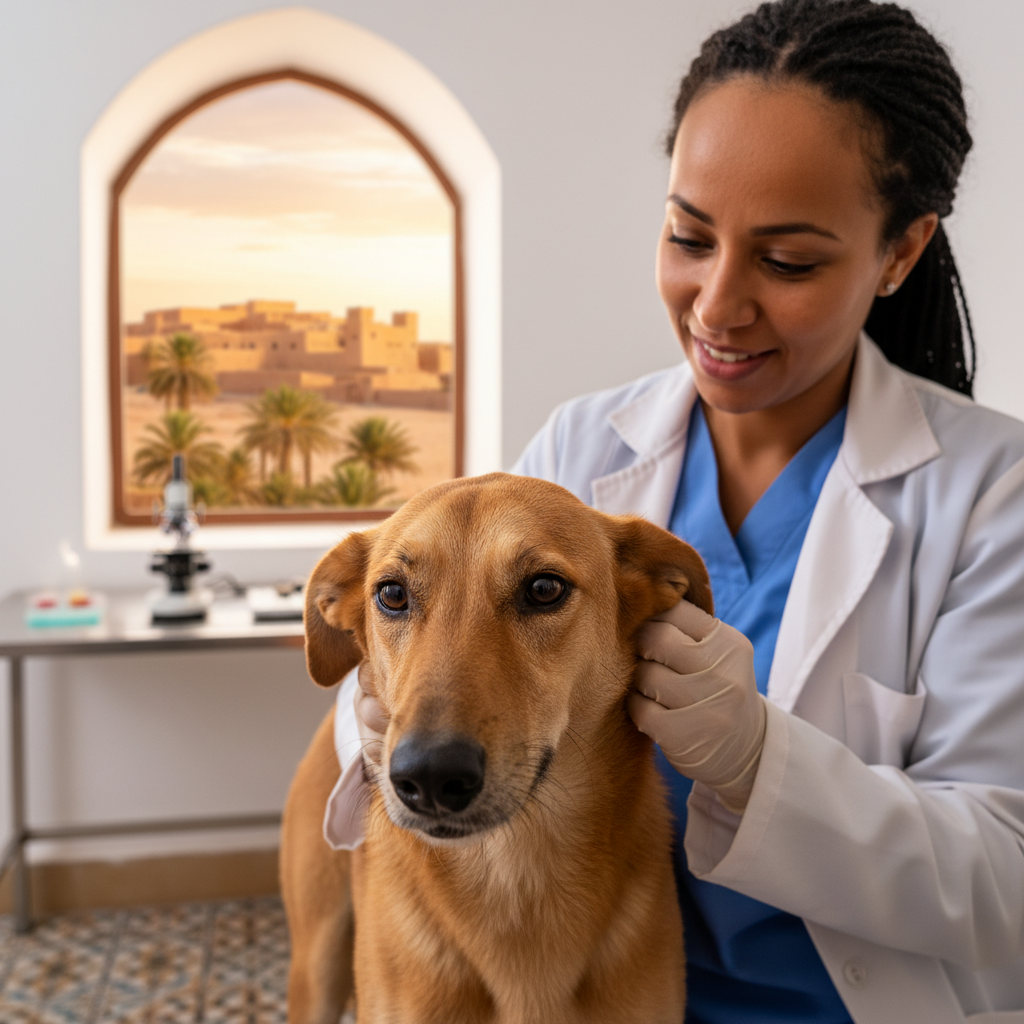
Animal SoulSaver (جمعية حماية ارواح الحيوانات) is committed to protecting the health and well-being of animals in Morocco. One of the most significant health challenges for dogs in our region is Leishmaniasis, a chronic and potentially fatal parasitic disease. Understanding this condition, from prevention to diagnosis and treatment, is crucial for every dog owner and rescuer.
Understanding Leishmaniasis and its Threat in Morocco
Leishmaniasis in dogs is caused by the parasite Leishmania infantum and is primarily transmitted by the bite of infected female sandflies (Phlebotomus species). Morocco's warm climate, particularly during the spring, summer, and early autumn months, creates ideal conditions for these tiny insects to thrive. Sandflies are most active from dusk till dawn, making these hours high-risk periods for dog exposure. Symptoms can be varied and insidious, often appearing months to years after infection. Common signs include skin lesions (ulcers, nodules, hair loss, particularly around the eyes and ears), weight loss despite a good appetite, enlarged lymph nodes, nail overgrowth, lameness, and ocular problems. Advanced cases can lead to severe organ damage, especially to the kidneys, liver, and spleen.
The First Line of Defense: Sandfly Prevention
Prevention is paramount in controlling Leishmaniasis. The primary strategy focuses on minimizing sandfly bites. Topical insecticides are highly effective: spot-on treatments or collars containing pyrethroids like deltamethrin or flumethrin create a repellent and insecticidal barrier. These products should be applied regularly according to veterinary advice, especially during peak sandfly season. Keeping dogs indoors during the sandflies' most active hours (dusk to dawn) and using fine-mesh screens on windows and doors can further reduce exposure. While a vaccine is available in some regions, it acts as an aid in reducing the risk of developing clinical disease, not preventing infection entirely, and should always be used in conjunction with rigorous anti-sandfly measures. Consult your veterinarian for the best preventative strategy tailored to your dog and local risk.
Diagnosing Leishmaniasis: Crucial for Early Intervention
Early and accurate diagnosis is vital for effective management. Your veterinarian will typically combine clinical signs with specific diagnostic tests:
- Indirect Fluorescent Antibody Test (IFAT): This serological test detects antibodies produced by the dog's immune system in response to the parasite. It's widely available and a good screening tool. However, it may show false negatives in early stages of infection (before antibody production) or false positives in areas with high exposure but no active disease. A high IFAT titre suggests exposure and often active infection, but doesn't differentiate between past exposure and active disease.
- Polymerase Chain Reaction (PCR): PCR is a molecular test that directly detects the parasite's DNA. It is highly sensitive and specific, making it excellent for early diagnosis, confirmation of infection, and monitoring treatment response. PCR can be performed on various samples, including blood, lymph node aspirates, bone marrow, or skin biopsies. Its ability to detect parasite presence directly makes it superior for confirming active infection, even when antibody levels are low.
Often, a combination of these tests, along with a thorough clinical examination and blood work, provides the most accurate picture for diagnosis and staging of the disease.
Treatment Protocols: Managing Leishmaniasis in Morocco
Leishmaniasis is a chronic disease that often requires lifelong management rather than a complete cure. The primary goal of treatment is to control clinical signs, improve quality of life, and reduce parasite load. The cornerstone treatments commonly used in Morocco include:
- Meglumine Antimoniate (Glucantime): This is an antimonial drug administered via subcutaneous or intravenous injections, typically daily for a course of 28 days. Glucantime directly kills the parasite and is highly effective in resolving clinical signs. However, it requires careful monitoring due to potential side effects, particularly on the kidneys and liver. Your vet will conduct blood tests before and during treatment to ensure your dog can safely receive Glucantime. It is generally available through veterinary clinics in Morocco.
- Allopurinol: This oral medication is a xanthine oxidase inhibitor. It doesn't directly kill the parasite but interferes with its purine metabolism, effectively reducing parasite multiplication and the parasite load over time. Allopurinol is typically given daily for several months or even years, often lifelong, either in combination with Glucantime or as a monotherapy for maintenance. Side effects are generally mild, but kidney stones (xanthine urolithiasis) can occur in rare cases, necessitating regular urine monitoring. Allopurinol is readily available in Morocco.
Treatment often involves a combination of Glucantime for initial parasite reduction and rapid improvement of symptoms, followed by long-term Allopurinol for maintenance and prevention of relapses. Supportive care, including proper nutrition and management of secondary infections, is also vital.
Living with Leishmaniasis: A Long-Term Commitment
Managing a Leishmaniasis-positive dog requires dedication. Regular veterinary check-ups, including blood and urine tests every 3-6 months, are essential to monitor the dog's response to treatment, assess organ function, and detect any relapses early. Continued sandfly prevention measures are crucial to prevent re-infection and reduce the risk to other animals and humans (as it is a zoonotic disease). With consistent care and a close partnership with your veterinarian, dogs with Leishmaniasis can lead comfortable and fulfilling lives.
Animal SoulSaver encourages all pet owners and rescuers in Morocco to be vigilant, prioritize prevention, and seek immediate veterinary attention if they suspect Leishmaniasis. Together, we can make a difference in the lives of our beloved canine companions.