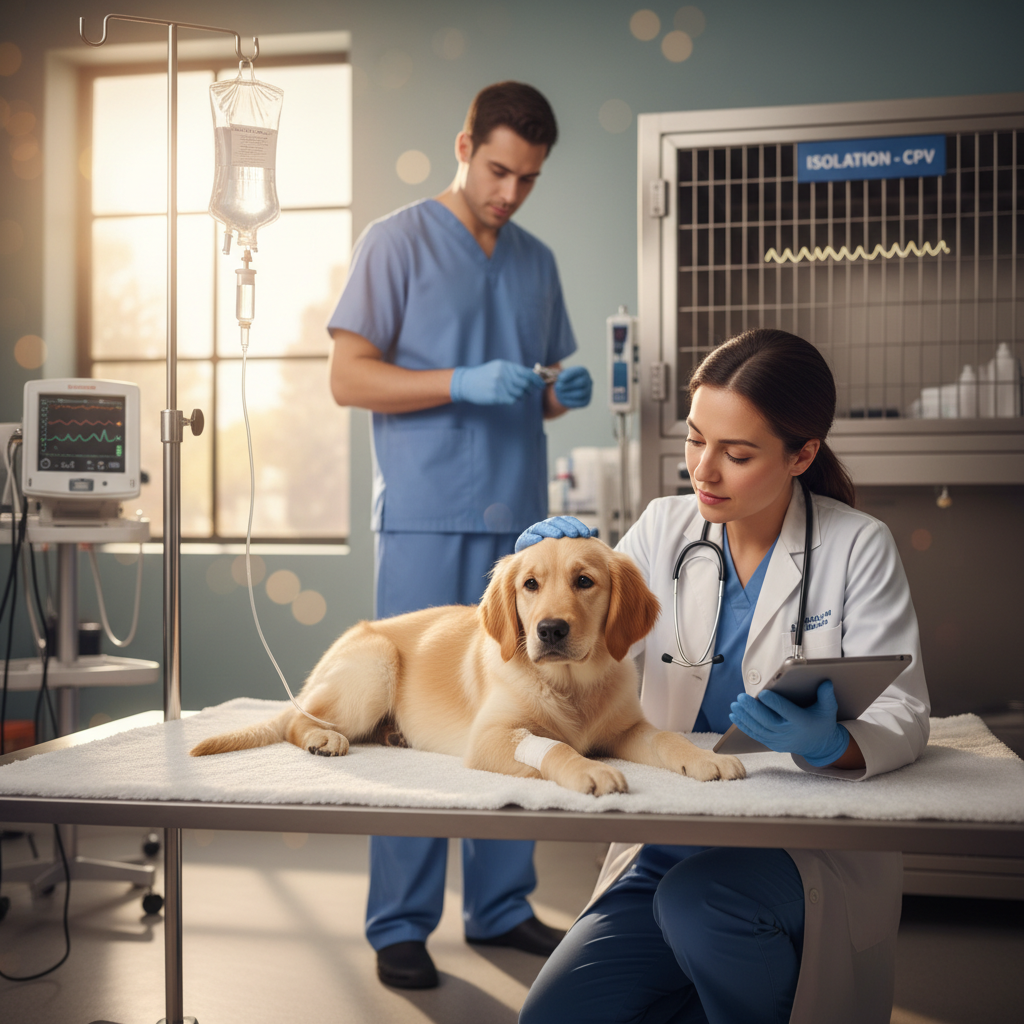
Canine Parvovirus (CPV) is a devastating and highly contagious viral disease that primarily affects young puppies and unvaccinated adult dogs. For Animal SoulSaver, understanding and combating CPV is crucial, especially given its prevalence in Morocco. This article aims to equip pet owners and rescuers with essential knowledge on early detection, treatment, prevention, and home care.
Understanding Canine Parvovirus (CPV)
CPV attacks rapidly dividing cells in a dog's body, most notably the lining of the small intestine, bone marrow, and lymph nodes. This leads to severe gastrointestinal issues and a compromised immune system. The virus is incredibly resilient and can survive in the environment for months, making disinfection challenging. It spreads easily through the fecal-oral route, meaning a dog can contract it by coming into contact with contaminated feces, surfaces, or even people's shoes or clothes.
Early Symptoms: Recognizing the Red Flags
Early detection is paramount for a positive outcome. Symptoms often appear rapidly, typically within 3-7 days of exposure. Watch for these critical signs:
Lethargy: A sudden and profound lack of energy or unwillingness to play, often one of the first indicators. Anorexia: Complete loss of appetite, refusing food and water. Fever: An elevated body temperature, though some puppies may become hypothermic in later stages. Vomiting: Persistent, often profuse vomiting, which can be clear, foamy, or yellowish. Diarrhea: Severe, watery diarrhea that rapidly dehydrates the puppy. It often has a characteristic foul smell and may contain blood, sometimes described as 'raspberry jam-like' in appearance. Dehydration: Sunken eyes, dry gums, and loss of skin elasticity (skin tenting) are signs of severe fluid loss.
If you observe any of these symptoms, especially in an unvaccinated puppy, seek immediate veterinary attention. In Morocco, where veterinary clinics are readily available in most major cities and towns, do not delay.
Survival Rates with Prompt Veterinary Treatment
Without aggressive veterinary intervention, the mortality rate for puppies with CPV can be as high as 90% or more. However, with prompt and intensive treatment, survival rates significantly improve, ranging from 70% to 90%. Treatment is primarily supportive and focuses on managing symptoms and preventing secondary infections. This typically involves:
Intravenous (IV) Fluid Therapy: Essential to combat severe dehydration and electrolyte imbalances. Anti-emetics: Medications like maropitant (Cerenia) or metoclopramide are crucial to stop vomiting, allowing the puppy to retain fluids and nutrients. These are generally available in Moroccan veterinary clinics. Antibiotics: To prevent or treat secondary bacterial infections that can occur due to the compromised intestinal lining and immune system. Common choices include amoxicillin-clavulanate or metronidazole, which are widely used here. Pain Management: To alleviate abdominal discomfort. Nutritional Support: Once vomiting subsides, small, frequent meals of easily digestible food may be introduced, or assisted feeding if necessary. Strict Isolation: To prevent the spread of the virus within the clinic.
Treatment can be intensive and costly, but it offers the best chance for survival. Animal SoulSaver encourages owners to consult their local vet without hesitation.
The Indisputable Importance of Vaccination
Vaccination is by far the most effective and critical measure to prevent CPV. It is a core vaccine for all puppies and dogs.
Vaccination Schedule: Puppies should receive their first CPV vaccine between 6-8 weeks of age, followed by boosters every 3-4 weeks until they are at least 16 weeks old. A booster is typically given at one year of age, then every 1-3 years depending on the vaccine type and your veterinarian's recommendation. Maternal antibodies can interfere with vaccine effectiveness, which is why multiple doses are necessary.
Moroccan Context: Given the significant stray dog population in Morocco, which can act as a reservoir for the virus, vaccinating owned pets and rescue animals is even more critical. Animal SoulSaver strongly advocates for comprehensive vaccination programs for all rescue puppies upon intake. The warm climate can also contribute to the virus's environmental persistence, making robust vaccination a year-round necessity.
Practical Home Care for Recovering Puppies (Under Veterinary Guidance)
Home care is only appropriate for puppies recovering from CPV under strict veterinary supervision, or for those with very mild symptoms diagnosed by a vet who has approved home management. Severe cases require hospitalization.
Isolation: Keep the recovering puppy strictly separated from all other dogs for at least 3-4 weeks after recovery, as they can still shed the virus. Hygiene and Disinfection: CPV is tough to kill. Clean all contaminated areas thoroughly with a strong bleach solution (1 part bleach to 30 parts water). Let it sit for 10-15 minutes before rinsing. This includes food bowls, bedding, toys, and floors. Hydration: If the puppy is not vomiting, offer small, frequent amounts of water or an oral electrolyte solution. Follow your vet's specific instructions. Nutrition: Once vomiting has stopped for at least 12-24 hours, gradually introduce a bland, easily digestible diet (e.g., boiled chicken and rice, or a prescription gastrointestinal diet) in very small, frequent portions. Do not force-feed. Warmth and Comfort: Keep the puppy warm, dry, and comfortable, as they can become hypothermic. Monitoring: Continuously monitor for any signs of relapse or worsening condition and contact your vet immediately if concerns arise.
Canine Parvovirus is a formidable opponent, but with vigilance, prompt action, and especially vaccination, we can significantly improve the chances of survival for our beloved canine companions. Protect your puppy today – vaccinate, educate, and act swiftly.