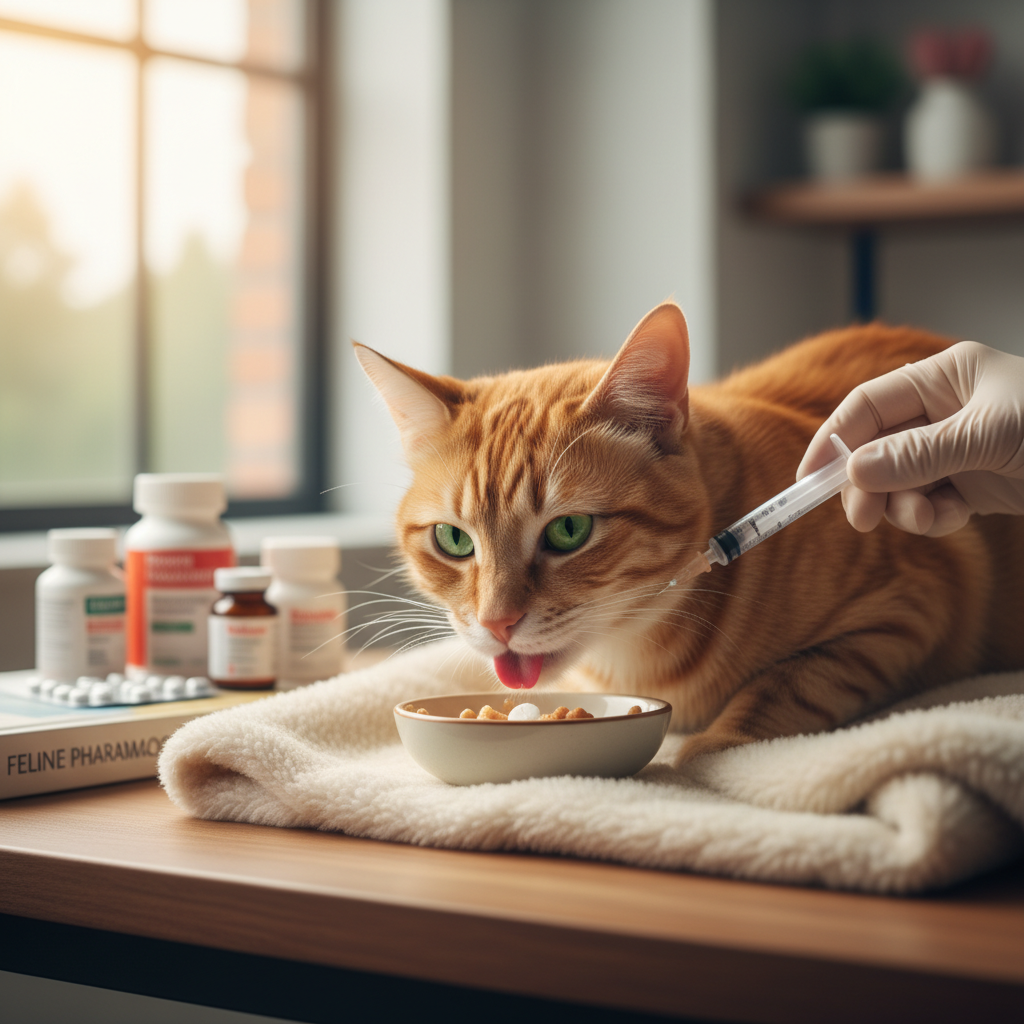
In Morocco, where access to veterinary care can sometimes be challenging, especially in remote regions, pet owners and rescuers are often faced with difficult decisions regarding their cats' health. While immediate veterinary consultation is always the golden standard, circumstances might arise where human pharmacy medications appear to be the only available option. This article aims to equip you with critical, evidence-based knowledge to navigate such situations with extreme caution, emphasizing safe practices, dosage principles, and, most importantly, identifying drugs that are deadly to cats.
Why Cats are Different: The Unique Feline Metabolism
Cats are not small humans or dogs. Their physiology is distinctly different, particularly their liver's ability to metabolize drugs. Cats have a deficiency in a crucial detoxification pathway called glucuronidation. This means many drugs that are safe for humans or dogs can accumulate to toxic levels in a cat's system, leading to severe illness, organ damage, or even death. This unique metabolic limitation makes self-medicating cats incredibly risky and necessitates precise, veterinary-guided dosing.
Crucial Principles for Administering Human Medications
1. Always Consult a Veterinarian First: Even if a physical visit isn't possible, try to reach a vet by phone or online for advice. They can provide accurate dosages and confirm if a human medication is appropriate. 2. NEVER Self-Diagnose: Misdiagnosis can lead to administering the wrong medication, worsening the condition, or masking serious underlying issues. 3. Dosage is NOT Proportional to Size: A cat’s dose is not simply a fraction of a human dose. It's calculated based on body weight (mg/kg) and species-specific metabolism. What's safe for a child can still be lethal for a cat. 4. Check Active Ingredients, Avoid Combination Products: Always verify the active ingredient. Many human medications, especially cold and flu remedies, contain multiple active ingredients, some of which are highly toxic to cats. Stick to single-ingredient formulations. 5. Concentration Matters: Liquid medications come in various concentrations (e.g., mg/ml). You must know the exact concentration to calculate the correct volume for your cat's dose.
Dosage Calculations: A Lifesaving Skill (with Extreme Caution)
When a veterinarian recommends a human medication, they will usually provide a dose in milligrams per kilogram of body weight (mg/kg). For example, if your vet recommends 1 mg/kg of drug X for your 4 kg cat, you need 4 mg of drug X. If drug X comes as a liquid with a concentration of 10 mg/ml, you would administer 0.4 ml (4 mg / 10 mg/ml = 0.4 ml). This requires precision, often using a small, accurately marked syringe (like an insulin syringe for very small volumes). Never guess. If you are unsure, do not administer.
Common Human Medications That CAN Be Used (Under Strict Veterinary Guidance)
Some human medications, when correctly dosed and approved by a vet, can be helpful in specific situations: Antihistamines (e.g., Diphenhydramine/Benadryl):* For mild allergic reactions or insect stings. Dosage is typically 1-2 mg/kg orally every 8-12 hours. Causes sedation. Antacids (e.g., Famotidine/Pepcid AC):* For nausea, vomiting, or gastritis. Dosage is typically 0.5-1 mg/kg orally every 12-24 hours. Laxatives (e.g., Lactulose):* For constipation. Dosage is typically 0.5-1 ml/kg orally every 8-12 hours. Topical Antiseptics (e.g., Povidone-iodine/Betadine, Chlorhexidine):* Diluted solutions can be used for wound cleaning. Crucially, prevent your cat from licking the area until dry, as ingestion can be harmful.
Medications That are DANGEROUS and MUST Be Avoided
These drugs are highly toxic to cats and should NEVER be administered: NSAIDs (Non-Steroidal Anti-Inflammatory Drugs):* Ibuprofen (Advil, Nurofen), Naproxen (Aleve), Aspirin. These cause severe kidney failure, stomach ulcers, and liver damage. Even a small fraction of a tablet can be fatal. Acetaminophen (Paracetamol, Tylenol):* EXTREMELY toxic. Causes red blood cell damage (methemoglobinemia), leading to oxygen deprivation, liver failure, and death. A single regular strength tablet can kill a cat. This is a common medication found in Moroccan homes. Decongestants (e.g., Pseudoephedrine, Phenylephrine):* Found in many cold medications. Cause hyperactivity, tremors, seizures, and heart problems. Topical Permethrin (Insecticides):* Found in some dog flea treatments. Highly toxic to cats, causing severe neurological signs (tremors, seizures) and death. Always check the label of any flea product. Any combination cold/flu medications:* These often contain a mix of painkillers, decongestants, and antihistamines, making them a lethal cocktail for cats.
Morocco-Specific Considerations
In Morocco, many of the dangerous human medications like Paracetamol and Ibuprofen are widely available and commonly used by people. This increases the risk of accidental or misguided administration to cats. If you live in a rural area, human pharmacies might be the most accessible immediate resource. This guide is specifically for those urgent situations where veterinary access is limited, but it underscores that using these drugs without professional guidance is incredibly risky. Always prioritize calling a vet, even if it's a call to a clinic in a different city for advice.
When to Seek Immediate Veterinary Care
If you have administered any medication and your cat shows signs of adverse reactions – vomiting, diarrhea, lethargy, loss of appetite, tremors, difficulty breathing, or seizures – seek immediate veterinary attention. Time is critical in cases of drug toxicity.
Conclusion
While the information presented here offers a framework for extreme emergencies, Animal SoulSaver's core message remains: veterinary care is paramount. Cats have unique sensitivities that make human medications a double-edged sword. Never compromise their safety by guessing. Support efforts to improve veterinary access across Morocco, and always prioritize professional advice to ensure the well-being of our cherished feline companions.