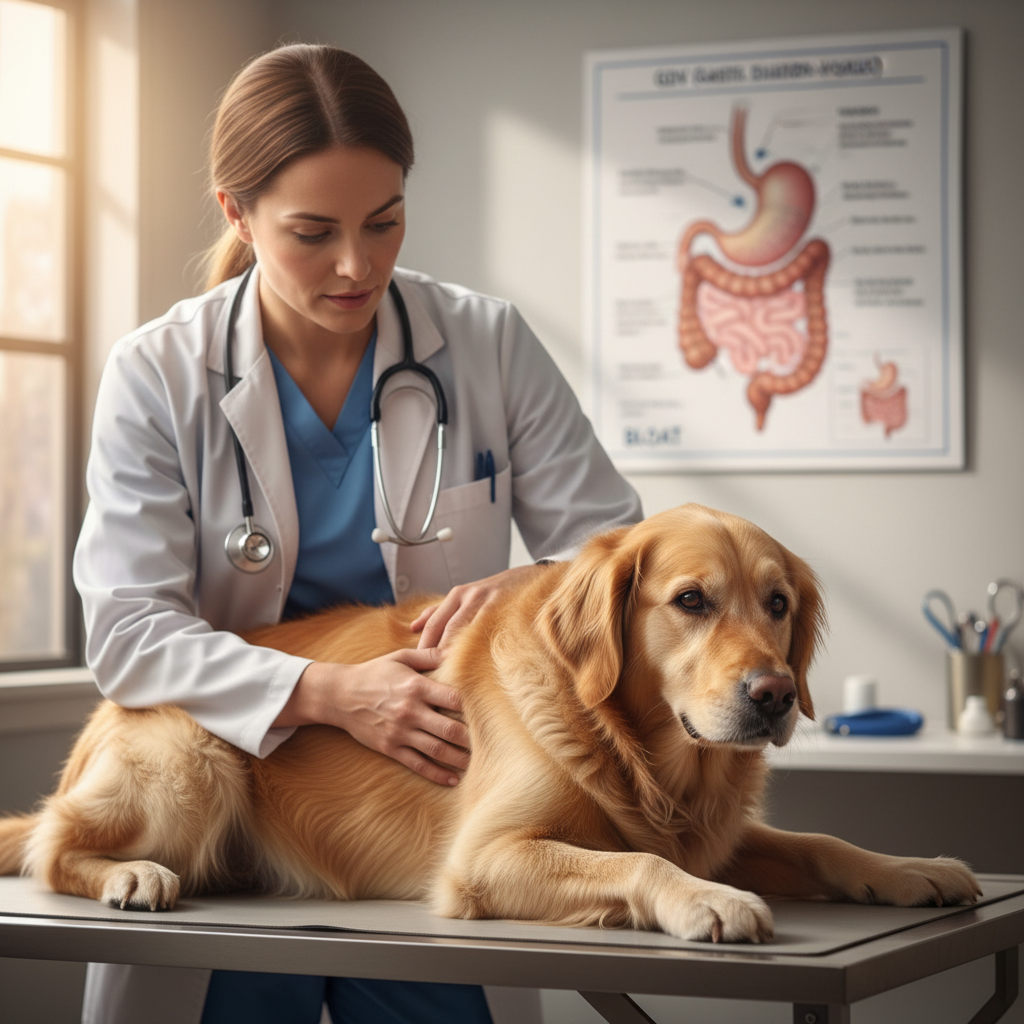
GDV/Bloat: A Silent Killer in Large Dogs – Recognize, React, Prevent
Gastric Dilatation-Volvulus (GDV), commonly known as bloat, is one of the most acute and life-threatening emergencies a large dog can face. It's a condition where the stomach fills with gas (dilatation) and often rotates on its axis (volvulus), trapping food and gas, and cutting off blood supply. Without immediate veterinary intervention, GDV is almost always fatal. As an organization dedicated to animal protection in Morocco, Animal SoulSaver urges every pet owner and rescuer to understand this critical condition.
What is GDV/Bloat?
GDV occurs when the stomach rapidly fills with air, fluid, or food, causing it to swell dramatically. This distension can then cause the stomach to twist, pinching off both the entry and exit points. This twisting prevents gas and fluid from escaping, leading to increased pressure. The pressure not only damages the stomach lining but also obstructs major blood vessels, impairing blood flow to the heart and other vital organs. This can quickly lead to shock, organ damage, and death. While the exact cause isn't always clear, factors like breed, genetics, and feeding habits play a significant role.
Recognizing the Symptoms: Time is Critical
Recognizing the signs of GDV early is paramount. Symptoms can appear suddenly and worsen rapidly:
- Restlessness and Anxiety: Your dog may pace, be unable to lie down comfortably, or appear distressed.
- Non-Productive Retching/Vomiting: This is a hallmark symptom. The dog tries repeatedly to vomit but brings up little to nothing, perhaps just foamy saliva.
- Abdominal Distension: The abdomen, especially on the left side, may appear swollen, tight, and painful to the touch. This can be harder to spot in very furry dogs.
- Drooling and Excessive Salivation: Due to discomfort and nausea.
- Pain: Your dog may whine, cry, or guard their belly.
- Weakness and Collapse: In advanced stages, dogs may become weak, collapse, have pale gums, rapid shallow breathing, and a weak pulse, indicative of shock.
If you observe any of these symptoms, particularly non-productive retching in a large, deep-chested dog, consider it an immediate emergency. In Morocco, veterinary emergency services may not be as readily available 24/7 as in some Western countries, making rapid recognition and transport even more vital.
Emergency Response: Act Immediately
DO NOT WAIT. GDV is a true emergency. Every minute counts. If you suspect GDV:
1. Contact Your Veterinarian Immediately: Call ahead to your nearest veterinary clinic. Describe the symptoms and tell them you suspect GDV. This allows them to prepare for your arrival, saving precious time. In major Moroccan cities like Casablanca, Rabat, Marrakech, or Fes, you might find clinics better equipped for such emergencies, but always call first. 2. Transport Your Dog Safely and Quickly: Get your dog to the clinic as fast as possible. Avoid trying to relieve the bloat yourself; this can cause more harm than good.
Upon arrival, the veterinary team will work to stabilize your dog. This typically involves placing intravenous catheters for fluid therapy (such as Ringer's lactate, commonly available in Morocco) to combat shock, administering pain relief (e.g., meloxicam or other veterinary-approved analgesics), and attempting to decompress the stomach. Decompression can be done using an orogastric tube passed into the stomach or, if the tube cannot pass, by trocarization – carefully inserting a large needle through the abdominal wall into the stomach to release gas. This initial stabilization is critical before surgery.
Gastropexy Surgery: Prevention and Treatment
Once the dog is stable, emergency surgery is performed. This involves untwisting the stomach, assessing its viability (checking for damaged tissue), and performing a procedure called gastropexy. A gastropexy permanently sutures the stomach to the abdominal wall, preventing future rotation. While it doesn't prevent the stomach from dilating (filling with gas), it drastically reduces the risk of it twisting again.
For high-risk breeds (Great Danes, German Shepherds, Doberman Pinschers, Weimaraners, Setters, etc.), a prophylactic gastropexy is highly recommended. This elective surgery is performed before an emergency occurs, often concurrently with spaying or neutering. Studies show that prophylactic gastropexy reduces the lifetime risk of GDV by over 90%. While specialized surgical expertise might be more concentrated in larger Moroccan cities, discussing this option with your local veterinarian is crucial.
Risk Factors and Prevention Strategies
While GDV can strike any dog, certain factors increase the risk:
- Breed: Deep-chested large and giant breeds are most susceptible.
- Age: Older dogs are at higher risk.
- Feeding Habits: Eating one large meal a day, eating rapidly, exercising vigorously before or after meals, and stress during feeding.
- Genetics: A family history of GDV.
To minimize risk:
- Feed Multiple Small Meals: Instead of one large meal, divide your dog's daily food into two or three smaller portions.
- Use Slow Feeder Bowls: These can prevent rapid ingestion of food and air.
- Avoid Vigorous Exercise Around Mealtime: Wait at least an hour before and after meals.
- Minimize Stress: Provide a calm feeding environment.
- Consider Prophylactic Gastropexy: Especially for high-risk breeds, discuss this preventative surgery with your vet.
GDV is a devastating condition, but with awareness, rapid action, and preventative measures, we can significantly improve outcomes for our beloved canine companions in Morocco. Your quick thinking can save a life. Act fast, know your emergency options, and talk to your vet about prevention.