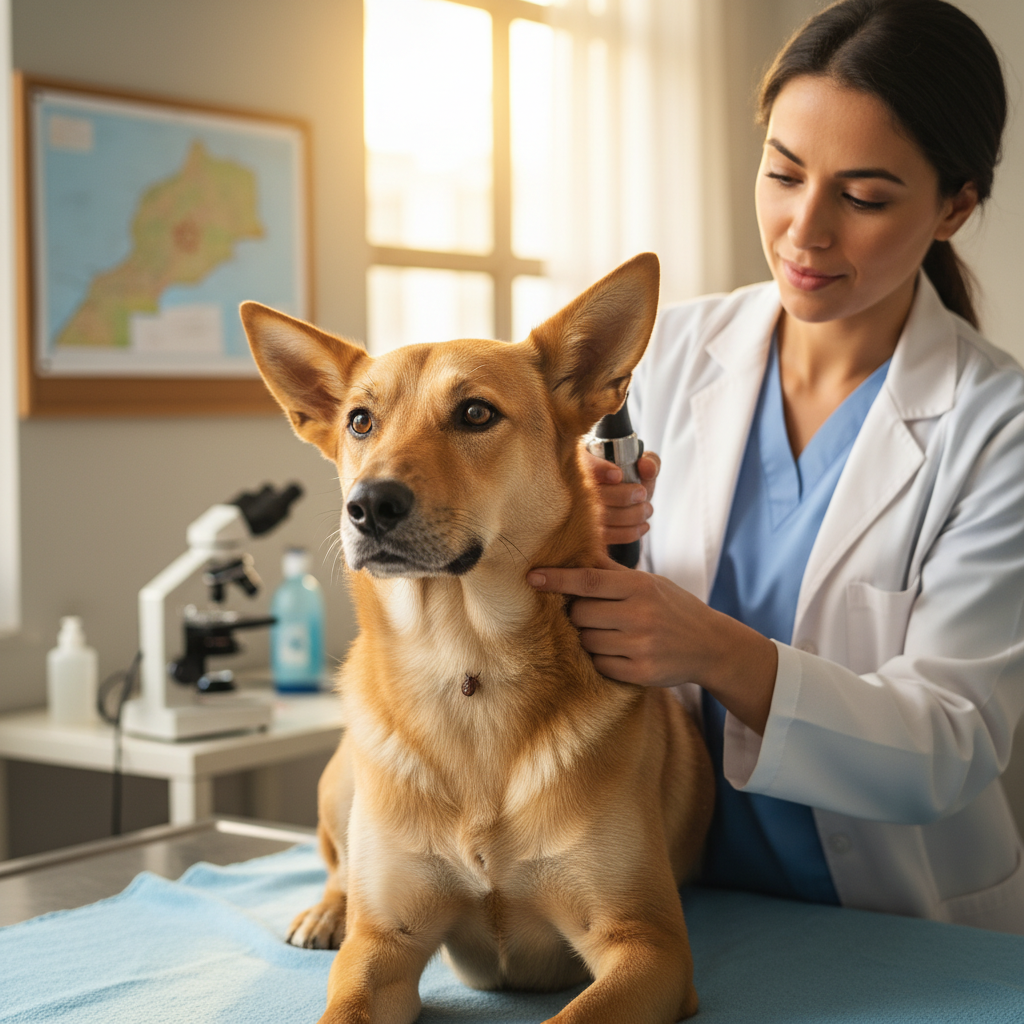
The Hidden Threat of Ticks in Morocco: Protecting Our Dogs
As guardians of animal welfare in Morocco, Animal SoulSaver frequently encounters the devastating effects of tick-borne diseases on our canine friends. Given Morocco's warm climate, ticks are prevalent almost year-round, making diseases like Canine Ehrlichiosis a constant concern for pet owners and rescuers alike. Understanding these diseases, their diagnosis, treatment, and crucially, their prevention, is vital for the health and well-being of our dogs.
Understanding Canine Ehrlichiosis
Canine Ehrlichiosis is primarily caused by the bacterium Ehrlichia canis, transmitted through the bite of an infected brown dog tick (Rhipicephalus sanguineus), a species highly common in Morocco. Once infected, dogs can develop a range of symptoms. In the acute phase (1-3 weeks post-infection), signs include fever, lethargy, loss of appetite, swollen lymph nodes, and sometimes bleeding disorders like nosebleeds or bruising. If untreated, the disease can progress to a chronic phase, leading to weight loss, severe anemia, bone marrow suppression, lameness, and even neurological or ocular issues, which can be life-threatening.
While Ehrlichiosis is a major concern, it's important to remember that ticks in Morocco can transmit other serious diseases such as Anaplasmosis, Babesiosis, and Hepatozoonosis. These can present with similar symptoms or co-exist, highlighting the importance of a comprehensive veterinary approach.
Diagnosis: Unmasking the Culprit
Early diagnosis is key to successful treatment. If you notice any suspicious symptoms, consult your veterinarian immediately. Diagnosis typically involves:
- Clinical Examination: Your vet will assess your dog's symptoms and history.
- Complete Blood Count (CBC): A common finding in Ehrlichiosis is thrombocytopenia (low platelet count), which impairs blood clotting, and anemia. Other blood abnormalities might also be present.
- Serology (Antibody Tests): Rapid in-clinic tests, often referred to as 'snap tests' (e.g., 4Dx Plus), can detect antibodies to Ehrlichia canis. These tests are widely available in Moroccan veterinary clinics and provide quick results, indicating exposure to the pathogen. It's important to note that a positive antibody test indicates exposure, not necessarily active infection, especially in chronic cases.
- PCR Testing: This advanced molecular test detects the actual DNA of the Ehrlichia bacteria in the blood, confirming active infection. It is particularly useful in the early stages before antibodies develop or in chronic cases where antibody levels might fluctuate.
Doxycycline: The Cornerstone of Treatment
Doxycycline, a broad-spectrum antibiotic, is the gold standard for treating Canine Ehrlichiosis and many other tick-borne bacterial infections. It is highly effective against Ehrlichia canis. The typical treatment protocol involves administering Doxycycline at a dose of 10 mg/kg once daily for a minimum of 28 days. It is crucial to complete the entire course of medication, even if your dog's symptoms improve rapidly, to ensure complete eradication of the bacteria and prevent relapse.
In Morocco, Doxycycline is readily available, often in human generic formulations that veterinarians can appropriately dose for dogs. Your vet will provide specific instructions regarding dosage and administration, often recommending giving it with food or a small amount of water to minimize potential gastrointestinal upset or esophageal irritation.
Tick Prevention: Your Dog's Best Defense
Prevention is paramount, especially in Morocco where ticks thrive. A multi-modal approach is most effective:
- Topical Spot-Ons: These liquid treatments are applied to the dog's skin, typically between the shoulder blades, and provide protection for weeks. Brands containing fipronil, permethrin (use with caution in cats), or dinotefuran/pyriproxyfen are common and effective.
- Oral Medications (Chewables): Isoxazoline-class chewables (e.g., afoxolaner, fluralaner, sarolaner, lotilaner) are highly effective, fast-acting, and provide month-long protection against ticks. These are increasingly available in Morocco and are an excellent choice, especially for dogs that swim frequently.
- Acaricidal Collars: Collars impregnated with active ingredients like deltamethrin or flumethrin can provide several months of protection. Ensure the collar fits snugly but comfortably.
- Environmental Control: Regularly mow your lawn, clear brush, and consider using pet-safe yard treatments if ticks are a significant problem in your outdoor spaces.
- Daily Tick Checks: After walks, especially in grassy or wooded areas, thoroughly check your dog for ticks. Pay attention to ears, between toes, under the collar, and around the tail. If you find a tick, remove it carefully with tweezers, grasping it close to the skin and pulling steadily upwards. Dispose of it properly.
- Year-Round Protection: Due to Morocco's climate, ticks are not seasonal; they are a year-round threat. Consistent prevention is non-negotiable.
A Call to Action
By understanding the risks, recognizing the symptoms, and implementing consistent prevention strategies, we can significantly reduce the incidence of tick-borne diseases in our canine companions. Animal SoulSaver urges all pet owners and rescuers to prioritize regular veterinary check-ups and maintain a vigilant approach to tick control. Your proactive care can make all the difference in protecting the precious lives we cherish.