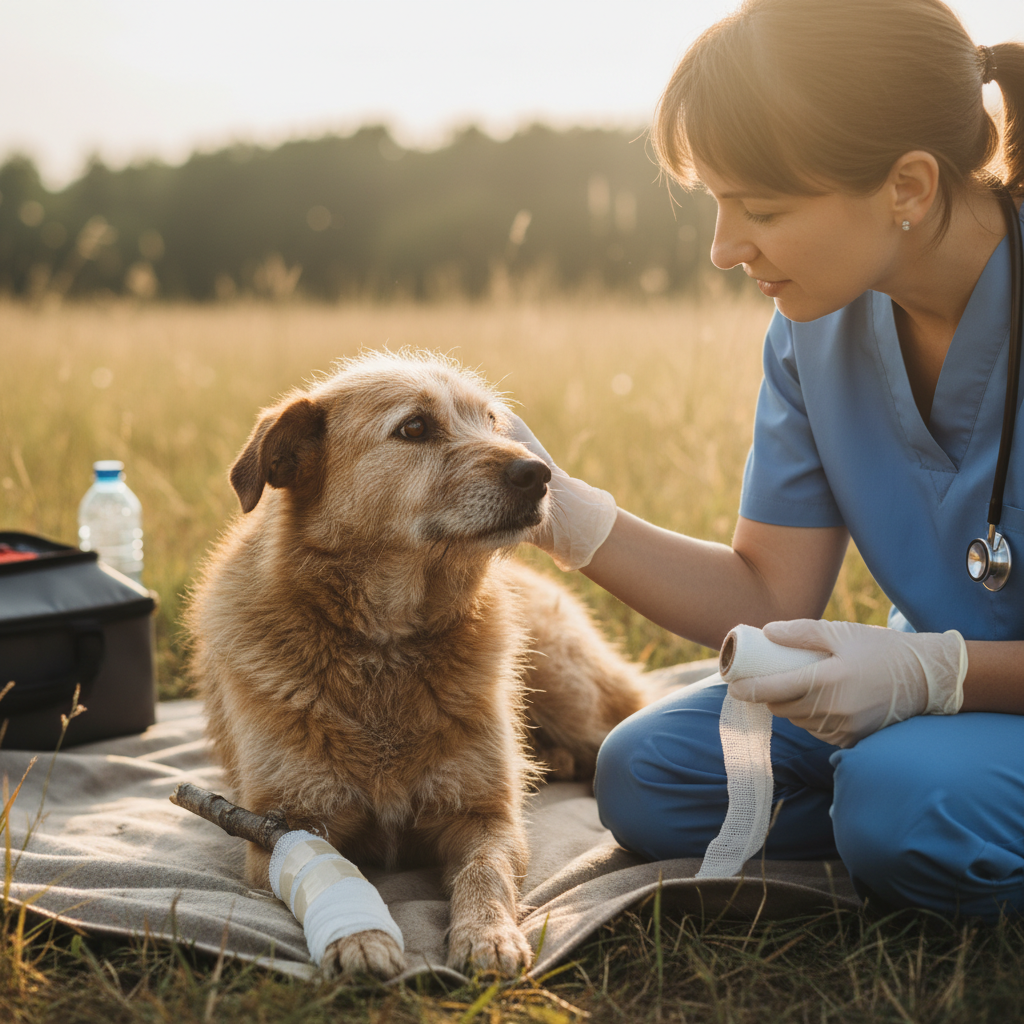
The plight of stray dogs in Morocco often includes traumatic injuries, with fractures being among the most common and debilitating. Whether from road traffic accidents, falls, or altercations, a fractured limb causes immense pain and, if left untreated, can lead to permanent disability or even death. As Animal SoulSaver (جمعية حماية ارواح الحيوانات), we believe that timely and appropriate first aid can significantly improve a dog's prognosis and quality of life. This guide provides actionable steps for rescuers and compassionate individuals to stabilize a fractured dog and ensure its journey to recovery.
Initial Assessment and Safety First
Approaching an injured dog, especially one in pain, requires caution. Even the gentlest dog can bite out of fear or pain. Prioritize your safety by attempting to muzzle the dog gently with a cloth strip or towel if it seems agitated. Observe the dog from a distance first: Is it bearing weight on any limb? Are there visible wounds, bleeding, or protruding bones? Look for signs of shock (pale gums, rapid shallow breathing, weakness). Remember, a fracture is often not the only injury; check for head trauma, abdominal pain, or other less obvious issues. Handle the dog as little as possible to minimize stress and pain.
Managing Pain: An Immediate Priority
Pain from a fracture is severe and can quickly lead to shock. While you cannot administer pain medication yourself, your immediate goal is to minimize movement and stress, which will help reduce pain. Once the dog is safely transported to a veterinary clinic, a veterinarian will assess the pain level and administer appropriate analgesics. In Morocco, commonly available veterinary NSAIDs (Non-Steroidal Anti-Inflammatory Drugs) like meloxicam or carprofen are often used, sometimes alongside stronger opioids for severe cases. Never give human painkillers (e.g., paracetamol, ibuprofen) to dogs, as they are often toxic and can be fatal.
Temporary Stabilization: When and How to Splint
The primary goal of temporary stabilization is to immobilize the fractured limb to prevent further damage to tissues, reduce pain, and facilitate safer transport. However, not all fractures should be splinted by a layperson.
When to splint: Only consider temporary splinting for fractures below the elbow or stifle (knee) joint, where a rigid support can be applied effectively without causing more harm. For fractures of the hip, pelvis, spine, or femur (thigh bone), any attempt at splinting by a non-veterinarian can worsen the injury. In these cases, focus solely on minimizing movement during transport.
How to splint (temporary): 1. Clean Wounds: Gently clean any open wounds with clean water if safe to do so. Cover with a clean cloth. 2. Padding: Place ample soft, clean padding (cotton, gauze, clean cloth) around the limb to protect bony prominences and provide cushioning. 3. Splint Material: Use rigid, lightweight materials like rolled newspapers/magazines, cardboard strips, or small, straight sticks. The splint should extend at least one joint above and one joint below the fracture site to ensure proper immobilization. For example, a lower leg fracture needs the splint to extend above the knee and below the paw. 4. Application: Carefully position the splint material along the injured limb. Secure it firmly but not too tightly using cohesive bandages, medical tape, or strips of clean cloth. Ensure the toes remain visible to monitor for swelling or coldness, which could indicate the splint is too tight. A recent study in the Journal of Veterinary Emergency and Critical Care (2021) highlighted the importance of proper padding and avoiding over-tightening to prevent pressure sores and circulatory compromise.
Safe Emergency Transport
Once the limb is stabilized (or if splinting isn't possible), safe transport to a veterinary clinic is paramount.
1. Stretcher: Gently lift the dog onto a rigid surface like a sturdy board, a flattened cardboard box, or a thick blanket that can be used as a sling/stretcher. Avoid bending or twisting the spine or injured limb. 2. Secure: If possible, gently secure the dog to the stretcher with soft ties or blankets to prevent movement during transit, but ensure it's not restrictive to breathing. 3. Keep Calm: Drive carefully, avoiding sudden stops or turns. Maintain a calm environment to reduce stress. Ensure good ventilation, especially in Morocco's warm climate, to prevent overheating. Animal SoulSaver can assist in connecting rescuers with veterinary contacts and transport solutions in various Moroccan cities.
Post-Surgery Recovery: The Road to Healing
Successful surgery is only half the battle; proper post-operative care is crucial for complete healing. Rescuers or adopters play a vital role in this phase.
1. Pain Management: Strictly follow the veterinarian's prescribed pain medication schedule. This is critical for comfort and healing. 2. Wound Care: Keep the surgical site clean and dry. Monitor for any signs of infection: redness, swelling, discharge, or foul odor. Follow specific instructions for cleaning (e.g., dilute chlorhexidine solution, if prescribed). An Elizabethan collar (cone) is often necessary to prevent the dog from licking or chewing the incision, which can lead to infection or dehiscence. 3. Confinement and Activity Restriction: This is perhaps the most challenging but essential aspect. The dog must be strictly confined (crate rest or small, secure room) for several weeks, as advised by the vet. Prevent jumping, running, playing, or climbing stairs. Leash walks should be short and controlled, only for toileting. Premature activity can re-injure the limb or compromise the surgical repair. 4. Nutrition and Hydration: Provide a high-quality, balanced diet to support healing. Ensure constant access to fresh water. 5. Follow-up Appointments: Adhere to all scheduled follow-up visits for cast changes, suture removal, and X-rays to monitor bone healing. In Morocco, consistent follow-up might require travel for rescuers, but it's indispensable for a successful outcome. The dry and dusty climate can sometimes complicate wound healing, emphasizing the need for diligent care.
Every action, from initial stabilization to dedicated post-operative care, makes a profound difference in the life of a stray dog. Animal SoulSaver (جمعية حماية ارواح الحيوانات) stands with you, offering support and guidance to ensure these deserving animals receive the best possible chance at a healthy, pain-free life. Your compassion is their hope.