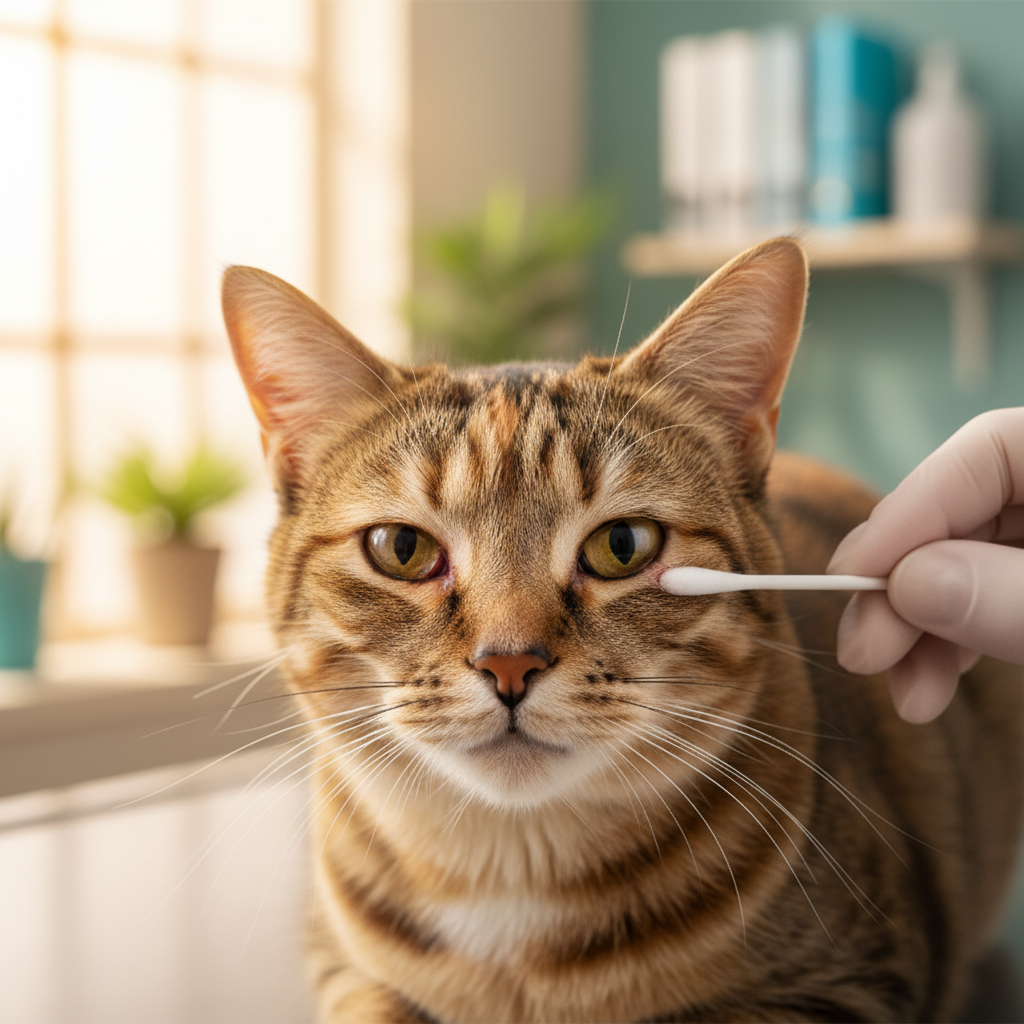
Eye infections are a common and often distressing problem for cats, particularly for stray and rescued animals in Morocco. Left untreated, these conditions can lead to severe pain, permanent vision impairment, or even loss of the eye. As dedicated advocates for animal welfare, Animal SoulSaver urges every pet owner and rescuer to understand the signs, risks, and proper treatment protocols for feline eye health.
Understanding Conjunctivitis in Cats
Conjunctivitis is the inflammation of the conjunctiva, the pink membrane lining the eyelids and covering the white part of the eye. It's one of the most frequently diagnosed eye conditions in cats. Symptoms typically include redness and swelling of the conjunctiva, clear to thick yellow or green discharge, squinting, blinking excessively, or protrusion of the third eyelid.
The most common causes are infectious agents. Feline Herpesvirus-1 (FHV-1) is a primary culprit, often causing recurrent flare-ups, especially during stress. Other bacterial causes include Chlamydophila felis and Mycoplasma species. Non-infectious causes, such as allergies or environmental irritants like dust and sand (prevalent in Morocco), can also lead to or exacerbate conjunctivitis. A proper veterinary diagnosis is essential to identify the underlying cause and guide treatment.
Treatment Approaches for Conjunctivitis: Navigating Medication Options
Treating conjunctivitis requires a tailored approach based on the diagnosis. General care involves gently cleaning away discharge with a warm, damp cloth several times a day. If you have multiple cats, isolate the infected one to prevent spread.
For bacterial conjunctivitis (e.g., Chlamydophila, Mycoplasma, or secondary bacterial infections), antibiotic eye drops or ointments are prescribed. Tobramycine is a common broad-spectrum antibiotic often available in Moroccan pharmacies and effectively treats many bacterial eye infections. Your vet might prescribe Tobramycine alone (e.g., Tobradex without the steroid component, or generic Tobramycine drops).
When dealing with FHV-1, treatment often focuses on managing symptoms and supporting the cat's immune system. Antiviral eye drops (less common or accessible in Morocco for routine use) or oral antivirals (like famciclovir) may be used in severe cases. L-lysine supplementation is a popular, though debated, adjunct therapy aimed at reducing viral replication.
The Crucial Role and Danger of Steroid-Containing Drops (Sterdex/Frakidex)
Medications like Sterdex and Frakidex are combination products containing both an antibiotic (often tobramycin) and a corticosteroid (like dexamethasone). They are highly effective in reducing inflammation and are commonly prescribed for severe inflammatory conjunctivitis. However, there is a CRITICAL WARNING: These medications MUST NEVER be used if a corneal ulcer is present or suspected. Corticosteroids significantly impair corneal healing and can rapidly worsen an ulcer, leading to deeper damage, infection, perforation, and permanent blindness or loss of the eye. This is a fundamental principle in veterinary ophthalmology (Gelatt, K.N. (2014). Veterinary Ophthalmology).
Always ensure your veterinarian has thoroughly examined the eye for ulcers using a fluorescein stain before considering steroid-containing drops. In Morocco, these human medications are readily available, making it crucial for pet owners to understand their appropriate use under strict veterinary guidance.
The Critical Danger of Corneal Ulcers
A corneal ulcer is a defect or wound on the surface of the cornea, the clear outer layer of the eye. Unlike conjunctivitis, ulcers are intensely painful, causing severe squinting, tearing, and often a cloudy or bluish appearance to the eye. Causes range from trauma (scratches from fights or foreign bodies) to infections like FHV-1, which can cause characteristic dendritic (branching) ulcers.
Corneal ulcers are serious and require immediate veterinary attention. Untreated or improperly treated ulcers can deepen, become infected, or even perforate, leading to irreversible damage. Treatment typically involves antibiotic eye drops (e.g., Tobramycine) to prevent secondary bacterial infection, pain relief (e.g., topical atropine to relax spasms, systemic NSAIDs), and sometimes specialized treatments like serum drops (containing healing factors) or surgery for non-healing or deep ulcers.
Practical Advice for Pet Owners and Rescuers in Morocco
1. Seek Veterinary Care Immediately: At the first sign of eye trouble, consult a veterinarian. Self-diagnosis and treatment, especially with human medications, are extremely risky. 2. Never Use Steroids Without a Vet's OK: Emphasize again: Sterdex, Frakidex, or any steroid-containing product should ONLY be used after a veterinarian has confirmed the absence of a corneal ulcer. 3. Proper Medication Administration: Follow your vet's instructions precisely regarding dosage and duration. Gently hold the cat's head, pull down the lower eyelid, and apply drops or ointment directly into the eye. Administering medication correctly is key to effectiveness. 4. Hygiene is Key: Regularly clean discharge from around the eyes. Keep the cat's environment clean to minimize irritants like dust and sand, which are common in Morocco. 5. Prevention: Vaccinate your cats against common feline diseases, including FHV-1, which can help reduce the severity of ocular symptoms. Good nutrition and stress reduction also support a strong immune system. 6. Climate Awareness: Morocco's dry, dusty climate can be irritating to eyes. Be vigilant about eye health, especially for outdoor cats or those in dusty environments.
Early detection and appropriate veterinary intervention are paramount for preserving your cat's vision and comfort. Partner with your veterinarian and Animal SoulSaver to ensure the best possible eye care for our feline friends.