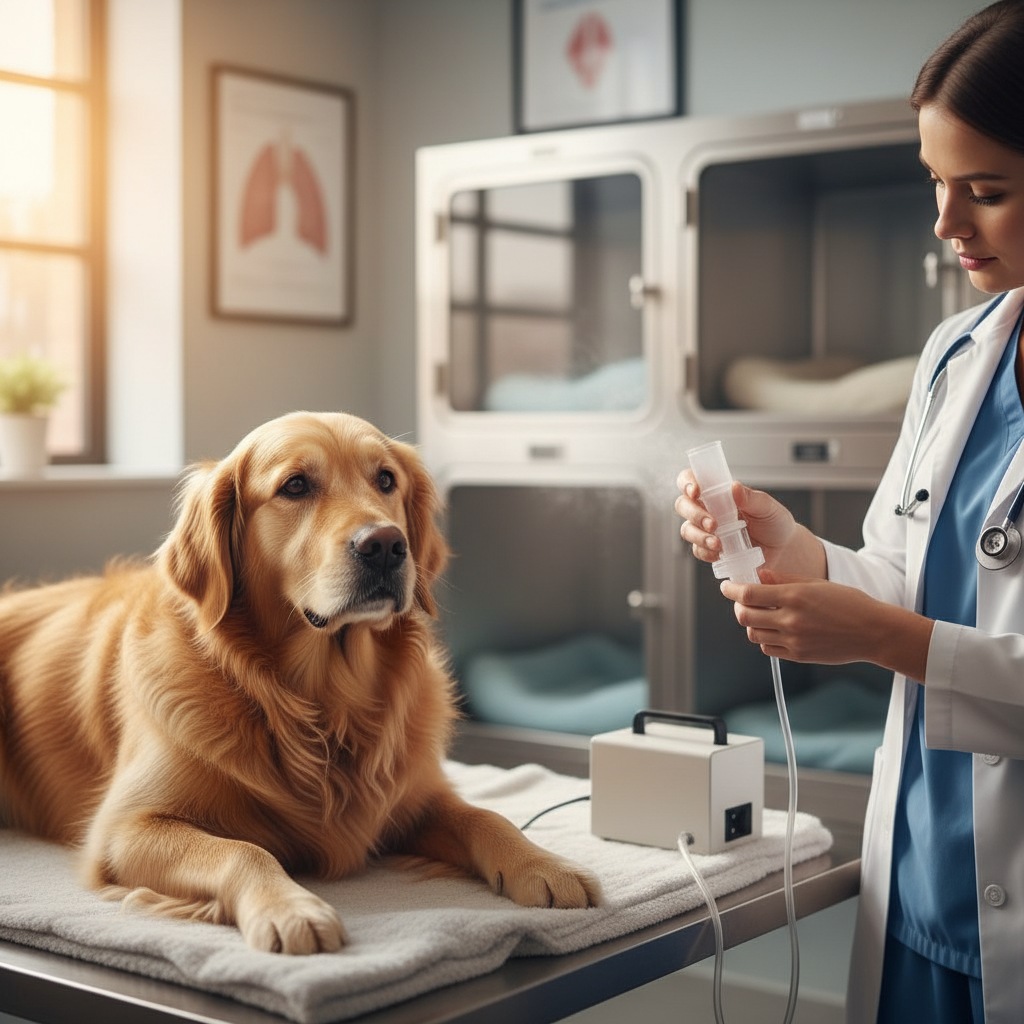
Kennel Cough (Toux de chenil): Understanding, Treating, and Preventing Serious Complications
Kennel cough, scientifically known as Canine Infectious Respiratory Disease Complex (CIRDC), is a common and highly contagious respiratory illness affecting dogs worldwide. For Animal SoulSaver, understanding this condition is crucial, especially when dealing with rescued animals in close proximity. While often mild, kennel cough can escalate into a serious health threat if not managed properly.
What is Kennel Cough (Toux de chenil)?
Kennel cough is an umbrella term for an acute inflammation of the trachea and bronchi. It's caused by a combination of airborne viruses and bacteria. The most common culprits include the bacterium Bordetella bronchiseptica, often alongside viruses such as canine parainfluenza virus, adenovirus, and herpesvirus. These pathogens spread rapidly through airborne droplets when an infected dog coughs or sneezes, or through direct contact with contaminated surfaces.
Dogs are particularly susceptible in crowded environments like shelters, boarding kennels, dog parks, or even during routine veterinary visits. Stress, poor ventilation, and extreme temperatures can weaken a dog's immune system, making them more vulnerable. In Morocco's varied climate, from the cold, damp winters in the Atlas regions to the warmer coastal areas, environmental factors can certainly influence the spread and severity of respiratory illnesses.
Recognizing the Signs: Diagnosis
The hallmark symptom of kennel cough is a sudden, harsh, dry, hacking cough, often described as a 'goose honk.' This cough can be so severe that it sounds like the dog is choking or gagging, sometimes ending with a retch. The cough is typically worse with excitement, exercise, or pressure on the throat (e.g., from a collar).
Other signs may include sneezing, nasal discharge, lethargy, and a decreased appetite, although these are less common in mild cases. Fever might be present, but is not always a primary indicator. Diagnosis is usually based on the characteristic clinical signs and the dog's history of exposure. Your veterinarian will perform a physical exam, which may include gently palpating the trachea to induce a cough. In most straightforward cases, further diagnostic tests like X-rays or PCR pathogen identification are not necessary, but may be recommended if the symptoms are severe or prolonged, or if pneumonia is suspected.
Treatment with Antibiotics: When and Why?
It's important to understand that kennel cough is often primarily viral, meaning antibiotics are not always the first line of treatment. Many mild cases resolve on their own within 7-10 days with rest and supportive care.
Antibiotics become crucial when a bacterial infection, particularly Bordetella bronchiseptica, is a primary component, or when a secondary bacterial infection develops. Your veterinarian may prescribe antibiotics in the following situations:
- Severe Symptoms: If your dog has a high fever, severe lethargy, or loss of appetite.
- Vulnerable Dogs: Puppies, senior dogs, brachycephalic breeds (like pugs or bulldogs), or dogs with compromised immune systems are at higher risk of complications and often benefit from early antibiotic intervention.
- Prolonged Illness: If the cough persists beyond 10-14 days.
- Signs of Pneumonia: If your dog develops a productive cough, difficulty breathing, or other signs indicating lung involvement.
Common antibiotics available in Morocco for kennel cough include Doxycycline, which is often a first choice for Bordetella due to its efficacy and anti-inflammatory properties. Amoxicillin-clavulanate (e.g., Clavaseptin or Synulox, widely available) is another frequently used option. Enrofloxacin (Baytril) might be considered for more severe or resistant cases, but generally with caution to avoid resistance development. Always administer the full course of antibiotics as prescribed by your veterinarian, even if symptoms improve.
Alongside antibiotics, your vet may recommend cough suppressants (e.g., butorphanol, hydrocodone-based medications), anti-inflammatory drugs, and supportive care such as humidifiers, plenty of fresh water, and a comfortable, stress-free environment.
When Kennel Cough Becomes Serious: Red Flags
While most dogs recover fully from kennel cough, it can progress to more serious conditions, most notably pneumonia. This is particularly concerning for puppies, elderly dogs, and those with underlying health issues. Be vigilant for these red flags:
- Persistent High Fever: A temperature above 39.5°C (103°F) that doesn't respond to initial treatment.
- Difficulty Breathing (Dyspnea): Labored, rapid, or shallow breathing; open-mouth breathing; or chest heaving. This is an emergency.
- Severe Lethargy and Weakness: Your dog is unusually quiet, doesn't want to move, or appears very weak.
- Loss of Appetite and Weight Loss: Refusal to eat for more than 24 hours.
- Productive Cough: Coughing up mucus or phlegm, indicating fluid in the lungs.
- Blue-tinged Gums (Cyanosis): A critical sign of severe lack of oxygen, requiring immediate veterinary attention.
If you observe any of these signs, seek immediate veterinary care. Prompt intervention can be life-saving. For Animal SoulSaver rescuers, being able to recognize these signs early is crucial for the animals under your care.
Prevention: The Best Medicine
Prevention is always better than cure. Vaccination is highly effective against some of the main pathogens causing kennel cough, specifically Bordetella bronchiseptica and canine parainfluenza virus. Both injectable and intranasal/oral vaccines are available in Morocco. These vaccines are highly recommended for any dog that will be in contact with other dogs, especially shelter animals.
Good hygiene practices, regular disinfection of communal areas, proper ventilation in kennels, and reducing stress are also vital in preventing outbreaks. Isolating sick animals immediately can help prevent further spread. By implementing these strategies, we can protect our beloved canine companions from this common yet potentially serious illness.