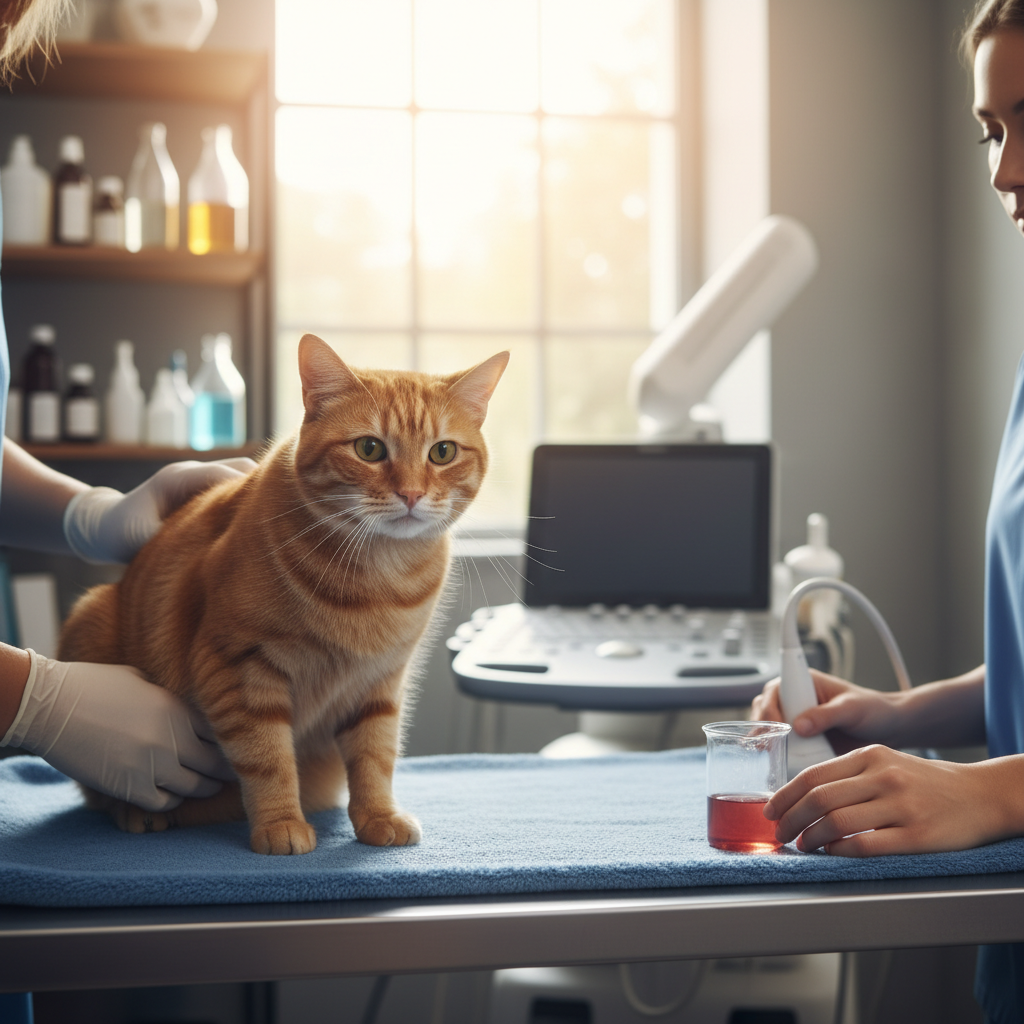
Understanding Feline Lower Urinary Tract Disease (FLUTD)
Feline Lower Urinary Tract Disease (FLUTD) is a broad term encompassing various conditions affecting a cat's bladder or urethra. It's a common and often distressing problem for both cats and their owners, ranging from mild discomfort to life-threatening emergencies. While bacterial infections are a common cause of urinary issues in other species, they are surprisingly uncommon in younger cats with FLUTD. The most frequent cause is Feline Idiopathic Cystitis (FIC), a sterile inflammation of the bladder often linked to stress.
Other causes include urinary stones (calculi), urethral plugs (a mix of crystals, cells, and mucus), anatomical defects, or, less commonly, tumors. Regardless of the underlying cause, the symptoms are similar: straining to urinate (stranguria), frequent attempts to urinate with little or no production (pollakiuria), urinating outside the litter box (periuria), blood in the urine (hematuria), and excessive licking of the genital area. Cats may also cry or vocalize when attempting to urinate, indicating pain.
The Critical Emergency: Urethral Obstruction ('Blocked Cat')
Among the various manifestations of FLUTD, urethral obstruction – often referred to as a 'blocked cat' – is a life-threatening emergency demanding immediate veterinary intervention. This occurs when the urethra, the tube carrying urine from the bladder out of the body, becomes completely blocked. This blockage prevents urine from exiting, causing the bladder to distend rapidly and leading to severe complications.
A blocked cat will exhibit the same symptoms as a cat with general FLUTD, but crucially, despite straining intensely, no urine will be produced. Other signs include lethargy, vomiting, loss of appetite, and extreme pain, especially when the abdomen is touched. If left untreated, toxins build up in the bloodstream, leading to kidney failure, dangerous electrolyte imbalances (particularly high potassium, or hyperkalemia, which can stop the heart), and potentially bladder rupture. Death can occur within 24-48 hours. If you suspect your cat is blocked, rush them to the nearest veterinary clinic without delay. Veterinary clinics in Morocco, particularly in major cities like Casablanca, Rabat, and Marrakech, are equipped to handle such emergencies.
Dietary Management: A Cornerstone of Prevention
Diet plays a pivotal role in managing and preventing FLUTD, especially for cats prone to crystal formation or FIC. The primary goal is to increase water intake and dilute the urine.
1. Wet Food: Switching from dry kibble to an all-wet food diet significantly increases a cat's water consumption. Diluted urine is less concentrated, reducing the likelihood of crystal formation and making the bladder less irritable. 2. Prescription Urinary Diets: For cats with a history of urinary stones (struvite or calcium oxalate) or recurrent FIC, your veterinarian may recommend specific prescription urinary diets (e.g., Royal Canin Urinary S/O, Hill's c/d, Purina Pro Plan UR). These diets are formulated to: * Promote appropriate urine pH (acidifying for struvite, neutral for oxalate prevention). * Control mineral levels (e.g., magnesium, phosphorus, calcium) to prevent crystal formation. * Increase water intake to dilute urine. These specialized diets are generally available through veterinary clinics and pet stores in Morocco. 3. Water Access: Always provide multiple sources of fresh, clean water. Ceramic or stainless steel bowls are often preferred. Water fountains can encourage drinking, as many cats prefer moving water. In Morocco's often warm climate, ensuring constant access to cool water is even more crucial to prevent dehydration.
Reducing Stress: A Holistic Approach
Stress is a significant trigger for Feline Idiopathic Cystitis (FIC), the most common form of FLUTD. Creating a low-stress environment is vital for affected cats.
1. Environmental Enrichment: Ensure your cat has ample resources and a stimulating environment. This includes: Safe Spaces:* Hiding spots, elevated perches, and quiet areas where your cat can retreat. Litter Box Management:* Provide one litter box per cat plus one extra (e.g., two cats = three boxes). Keep them scrupulously clean, in quiet locations, and use a litter type your cat prefers. Consider the size and type of box – some cats prefer open, large boxes. Playtime:* Regular, interactive play sessions mimic hunting behavior and reduce pent-up energy and stress. Consistent Routine:* Cats thrive on predictability. Stick to consistent feeding times, play sessions, and environmental setups. 2. Pheromone Therapy: Products like Feliway diffusers (available in Morocco) release synthetic feline facial pheromones that can help create a calming environment and reduce stress-related behaviors. 3. Multi-Cat Households: In homes with multiple cats, ensure each cat has access to their own food, water, litter box, and resting areas to minimize competition and social stress.
Conclusion
Urinary problems in cats, particularly FLUTD, require vigilance and a proactive approach. While a 'blocked cat' is a severe emergency demanding immediate veterinary care, effective long-term management strategies focusing on appropriate diet and stress reduction can significantly improve the quality of life for cats prone to these conditions. As an Animal SoulSaver, your awareness and quick action can make a life-saving difference.