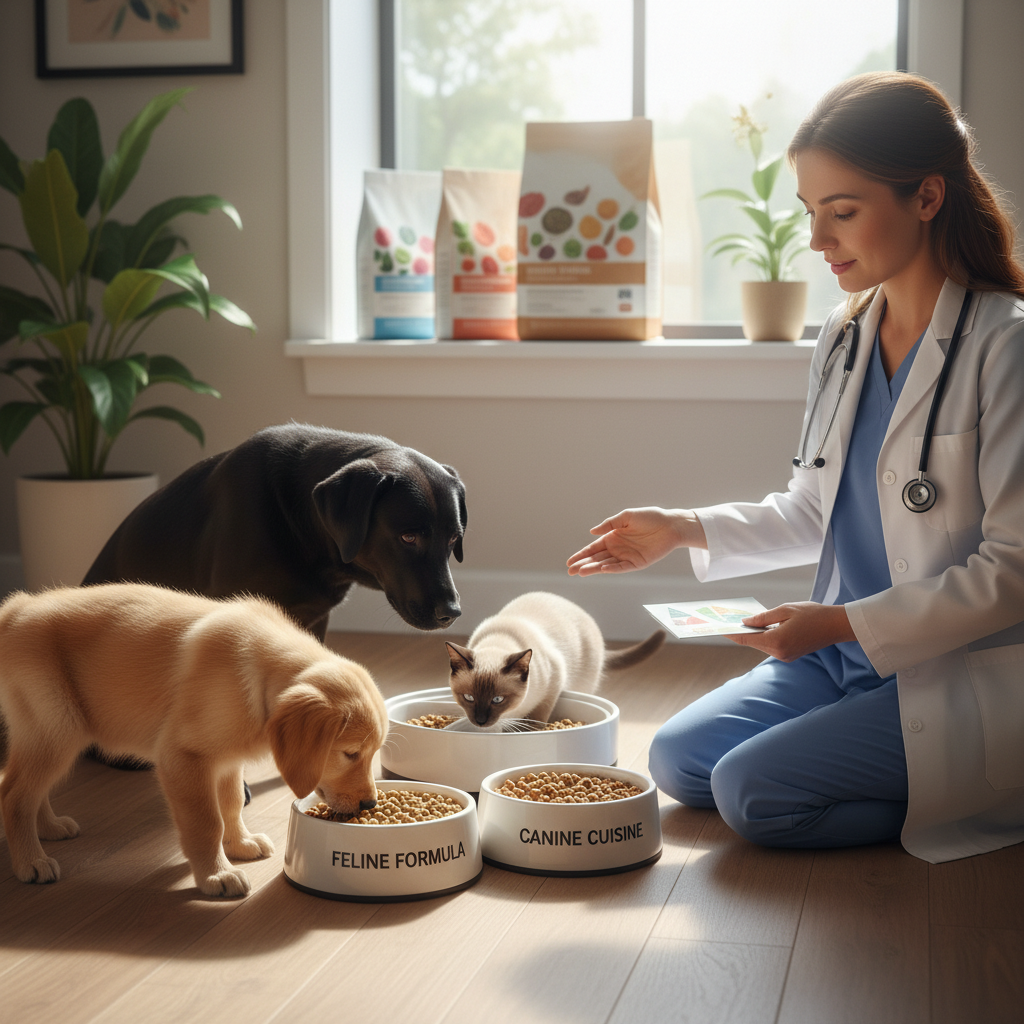
Proper nutrition is the cornerstone of a healthy, long, and happy life for our beloved cats and dogs. As dedicated animal advocates at Animal SoulSaver, we understand the critical role diet plays in preventing disease, promoting recovery, and ensuring overall well-being. This guide offers evidence-based insights into optimal feeding practices, tailored with a Moroccan context.
Commercial Diets: The Convenient and Balanced Choice
For most pet owners, high-quality commercial pet food offers the most convenient and nutritionally complete option. Reputable commercial diets, whether dry kibble or wet food, are formulated to meet the specific nutritional needs of cats and dogs at different life stages (kitten/puppy, adult, senior) and activity levels. They adhere to strict nutritional guidelines set by bodies like AAFCO (Association of American Feed Control Officials) or FEDIAF (European Pet Food Industry Federation), ensuring a balanced intake of proteins, fats, carbohydrates, vitamins, and minerals.
When choosing commercial food in Morocco, look for brands available in veterinary clinics and well-stocked pet stores. These often indicate higher quality control. Always check the ingredient list – meat should be among the first few ingredients. Avoid foods with excessive fillers or artificial additives. While premium foods might seem more expensive upfront, they can prevent future health issues, saving on vet bills in the long run.
Homemade Diets: Proceed with Caution and Expert Guidance
The idea of preparing fresh, homemade meals for pets can be appealing, but it comes with significant risks. Numerous veterinary studies have shown that the vast majority of homemade pet food recipes, even those found online, are nutritionally imbalanced, leading to serious deficiencies or excesses over time. This can cause severe health problems, including bone deformities, organ damage, and metabolic disorders.
If you are considering a homemade diet, it is absolutely essential to consult with a board-certified veterinary nutritionist. They can formulate a balanced recipe tailored to your pet's specific needs, often requiring specific supplements to ensure completeness. Simply feeding cooked meat, rice, or table scraps is not sufficient and can be dangerous. Raw food diets, while popular in some circles, carry significant risks of bacterial contamination (e.g., Salmonella, E. coli) for both pets and humans, especially in warm climates like Morocco where food spoilage is accelerated. They are generally not recommended by the veterinary community due to these public health risks and the difficulty in ensuring nutritional completeness.
Toxic Foods: A Dangerous List to Avoid
Many common human foods are highly toxic to cats and dogs. Ingesting even small amounts can lead to severe illness or death. Always keep these items out of reach: Chocolate:* Contains theobromine, toxic to both, with dark chocolate being the most dangerous. Grapes and Raisins:* Can cause acute kidney failure in dogs, even in small quantities. Onions, Garlic, Leeks, Chives:* Belong to the Allium family and can cause red blood cell damage, leading to anemia. Xylitol:* A common sugar substitute found in sugar-free gum, candies, and some peanut butters. Highly toxic, causing rapid insulin release and liver failure in dogs. Avocado:* Contains persin, which can cause vomiting and diarrhea in some animals. Alcohol and Caffeine:* Extremely dangerous, even in small doses. Cooked Bones:* Can splinter and cause choking, internal perforations, or obstructions. Raw bones also pose risks of choking and bacterial contamination.
If you suspect your pet has ingested a toxic substance, contact your veterinarian immediately. Prompt action is crucial.
Feeding Sick Animals: Nurturing Recovery
When an animal is sick, proper nutrition becomes even more vital for recovery. Loss of appetite, nausea, and changes in metabolism are common. The goal is to provide highly palatable, easily digestible, and energy-dense food.
- Veterinary Prescription Diets: Your vet will often recommend specific therapeutic diets (e.g., gastrointestinal, renal, hepatic, or convalescence formulas) designed to support organ function and provide necessary nutrients without overwhelming the compromised system. These are readily available in veterinary clinics across major Moroccan cities.
- Small, Frequent Meals: Offering small portions multiple times a day can be more manageable than large meals.
- Hydration: Always ensure access to fresh water. For dehydrated animals, subcutaneous or intravenous fluids might be necessary, administered by a vet.
- Appetite Stimulants: In cases of severe anorexia, your vet might prescribe medications like mirtazapine (available in Morocco) to encourage eating.
- Warmth and Comfort: A calm, warm environment can encourage a sick animal to eat.
Never force-feed a sick animal without veterinary guidance, as this can cause aspiration or increased stress.
Morocco-Specific Considerations
- Climate: Morocco's warm climate means food can spoil quickly. Store pet food in cool, dry places, and always discard uneaten wet food promptly. Ensure constant access to fresh, cool water to prevent dehydration.
- Local Resources: While quality commercial diets are available, access might be limited in rural areas. Local veterinarians are the best resource for guidance on sourcing appropriate nutrition given local availability and budget.
- Veterinary Access: Animal SoulSaver strongly encourages regular veterinary check-ups. Your local Moroccan vet is your most trusted partner in ensuring your pet's nutritional and overall health. They can provide tailored advice based on your pet's individual needs, lifestyle, and the local environment.
In conclusion, providing optimal nutrition is a commitment to your pet's health. Whether opting for high-quality commercial food or a carefully vet-formulated homemade diet, always prioritize safety, balance, and professional veterinary advice. Your pet's well-being depends on it.