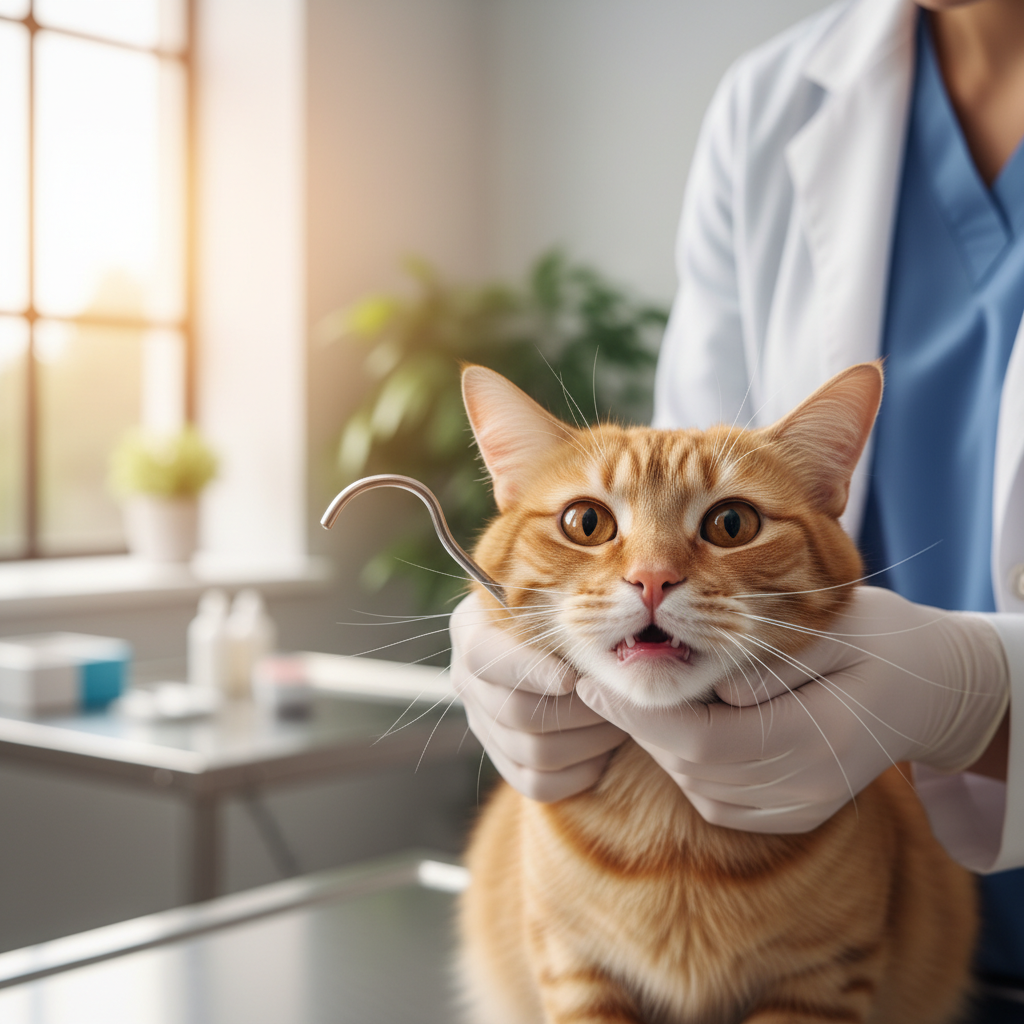
Introduction: The Agony of Feline Stomatitis and FCGS
Feline Stomatitis, often referred to as Feline Chronic Gingivostomatitis (FCGS), is a debilitating and incredibly painful condition affecting many cats. It's not just bad breath or a bit of gum inflammation; it's a severe, chronic inflammation of the entire oral cavity, including the gums, tongue, and throat. Cats suffering from FCGS experience excruciating pain, making eating, grooming, and even purring a painful ordeal. As Animal SoulSaver, we see firsthand the suffering this condition causes our beloved feline companions in Morocco.
Understanding the Challenge: What Causes This Pain?
FCGS is primarily an immune-mediated disease. This means a cat's immune system overreacts to something in its mouth, most commonly bacteria found on tooth surfaces or even the tooth structure itself. While the exact trigger isn't always clear, factors like periodontal disease, feline herpesvirus (FHV-1), feline immunodeficiency virus (FIV), and feline leukemia virus (FeLV) can exacerbate or initiate this exaggerated immune response. It's a complex condition that requires a comprehensive approach.
Diagnosis: Recognizing the Signs
Recognizing FCGS early is crucial. Look out for signs such as severe bad breath (halitosis), excessive drooling (sometimes bloody), reluctance to eat or chewing only on one side of the mouth, weight loss, pawing at the face, and a generally depressed demeanor. Upon veterinary examination, the veterinarian will observe intensely red, swollen, and often ulcerated gum tissue, especially at the back of the mouth, even extending into the throat area. Blood tests may be recommended to rule out underlying viral infections or other systemic diseases.
Treatment Strategy 1: The Gold Standard — Dental Extractions
For most cats with FCGS, full or near-full mouth dental extractions are considered the most effective long-term solution. While it sounds drastic, removing the teeth eliminates the primary source of the immune system's overreaction (the dental plaque and tooth structure itself). Studies show success rates of 70-80% for significant improvement or complete cure following extractions. Cats adapt remarkably well to eating without teeth, often thriving once the chronic pain is gone. This procedure requires general anesthesia, expert surgical technique, and excellent post-operative care.
Treatment Strategy 2: Medical Management with Bispirazol and Other Therapies
When extractions are not immediately feasible or if inflammation persists post-surgery, medical management becomes crucial. Bispirazol, as an immunomodulatory agent, represents a promising adjunctive therapy. Its goal is to dampen the exaggerated immune response and reduce inflammation. While specific availability of Bispirazol as a brand might vary, the principle of using immunomodulators and anti-inflammatory drugs is well-established. Your Moroccan veterinarian will guide you on the best available options that achieve similar immunomodulatory and anti-inflammatory effects.
Other common medical therapies include: * Corticosteroids (e.g., Prednisolone): Provide rapid anti-inflammatory relief but carry long-term side effects with chronic use. * Cyclosporine: An immunosuppressant that can be highly effective but is often costly and requires careful monitoring. * Feline Recombinant Interferon Omega: An immunomodulatory agent that helps regulate the immune response. * Antibiotics: Used to address secondary bacterial infections, not as a primary treatment for the underlying immune condition.
In Morocco, many of these active ingredients are available, though specific brands may differ. Always consult your local veterinarian for precise medication choices and dosages.
Crucial Component: Comprehensive Pain Management
Given the intense pain associated with FCGS, robust pain management is not just an option; it's a necessity. A multi-modal approach is best, combining different types of pain relief to target various pain pathways.
- Non-Steroidal Anti-Inflammatory Drugs (NSAIDs) like Meloxicam: Reduce inflammation and pain. Long-term use requires careful monitoring, especially kidney function.
- Gabapentin: Effective for neuropathic pain and also provides a calming effect, which is beneficial for stressed cats.
- Opioids (e.g., Buprenorphine): Stronger pain relief, particularly important post-surgically.
These medications are generally accessible in Morocco, and your vet will tailor a pain protocol to your cat's specific needs.
Living in Morocco: Special Considerations for Our Feline Friends
For cats in Morocco, especially those rescued from the streets, underlying health conditions due to poor nutrition or exposure to pathogens can complicate FCGS. Animal SoulSaver works tirelessly to provide care, and advocating for early diagnosis and treatment is paramount. While climate doesn't directly cause stomatitis, overall health and immune status can be affected by environmental stressors. Ensuring access to clean water, good nutrition, and shelter can support a cat's general well-being during treatment.
What to Expect: Prognosis and Ongoing Care
With appropriate treatment, the prognosis for cats with FCGS is generally good. Most cats experience significant improvement or a complete resolution of their pain and inflammation. Some may require ongoing, low-dose medical management. Regular follow-up veterinary visits are essential to monitor progress and adjust treatment as needed.
Actionable Advice for Pet Owners and Rescuers
- Early Detection: Be vigilant for signs of oral pain in your cat.
- Prompt Veterinary Care: Do not delay consulting a veterinarian if you suspect stomatitis. Early intervention can prevent prolonged suffering.
- Follow Treatment Plans: Adhere strictly to your vet's recommendations, whether for surgery or medication.
- Nutritional Support: Offer soft, palatable, high-calorie food to encourage eating, especially during recovery.
- Patience and Love: Recovery can take time, and your cat will need your understanding and comfort.
Animal SoulSaver is dedicated to helping Moroccan animals live pain-free lives. By understanding and addressing FCGS effectively, we can bring comfort and joy back to our feline friends.