Understanding Feline Panleukopenia (FPV)
Feline Panleukopenia, commonly known as feline distemper or cat plague, is a highly contagious and severe viral disease caused by the feline parvovirus. This aggressive virus attacks rapidly dividing cells in the body, primarily in the gastrointestinal tract, bone marrow, and lymphatic tissues. The destruction of these cells leads to severe immune suppression (panleukopenia, meaning low white blood cell count), acute enteritis (inflammation of the intestines), and profound dehydration. Kittens, unvaccinated cats, and immunocompromised individuals are most susceptible, with mortality rates often exceeding 90% in young kittens without intensive care.
Symptoms typically include lethargy, anorexia (loss of appetite), fever, severe vomiting, and diarrhea (which can be bloody). Rapid diagnosis by a veterinarian, often through a quick in-clinic test, is crucial for timely intervention. In Morocco, where stray cat populations are significant, FPV outbreaks are unfortunately common, making awareness and swift action paramount for Animal SoulSaver's mission.
The Critical Role of Aggressive Fluid Therapy
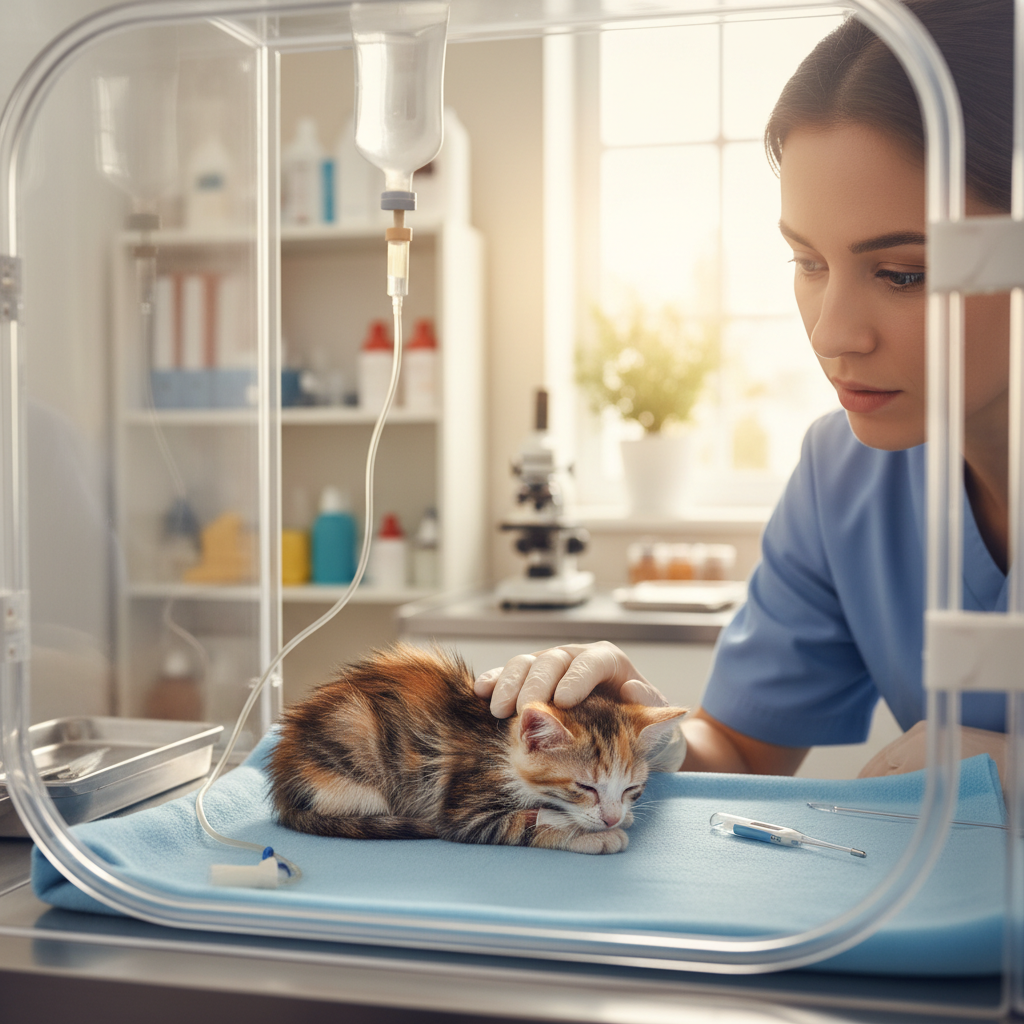
Dehydration is the deadliest consequence of FPV due to relentless vomiting and diarrhea. Aggressive intravenous (IV) fluid therapy is the cornerstone of treatment, aiming to correct dehydration, electrolyte imbalances, and provide essential energy. Lactated Ringer's Solution (LRS) or 0.9% Saline are commonly used, administered continuously via an IV catheter.
Monitoring fluid input and output, electrolyte levels (especially potassium), and blood glucose is vital. Hypoglycemia (low blood sugar) is a common and dangerous complication in sick kittens, requiring dextrose supplementation in IV fluids. While subcutaneous (under the skin) fluids can offer temporary support in mild cases, severe FPV demands the precision and efficacy of IV fluids. In Morocco, IV fluids and administration sets are readily available in most veterinary clinics and even human pharmacies, making this life-saving therapy accessible.
Combating Nausea and Vomiting: Anti-emetics
Controlling vomiting is paramount to prevent further dehydration and allow for any potential nutritional intake. Potent anti-emetic medications are indispensable in FPV management. Maropitant (brand name Cerenia) is a highly effective anti-emetic that can be administered subcutaneously or intravenously. It not only reduces vomiting but also has some visceral analgesic (pain-relieving) properties, which can be beneficial for uncomfortable kittens.
Ondansetron (brand name Zofran), often used in human medicine, is another powerful anti-emetic that can be effective, particularly in cases where maropitant alone is insufficient. Metoclopramide can also be used, though it is generally less potent and has prokinetic effects (promotes gut motility) that might not always be desirable in severe enteritis. These medications are generally available through veterinary channels or can sometimes be sourced from human pharmacies in Morocco with a vet's prescription, ensuring our feline friends receive the best possible symptomatic relief.
Nutritional Support and Gut Health
Early nutritional support is critical for recovery, even if only small amounts. Once vomiting is controlled, a highly digestible liquid diet can be introduced cautiously via syringe feeding or, ideally, through an esophageal feeding tube if the kitten is anorexic for more than 24-48 hours. This helps maintain gut integrity and provides energy for healing.
Broad-spectrum antibiotics (e.g., Amoxicillin-clavulanate, Metronidazole) are often administered to prevent secondary bacterial infections, which are common due to the damaged intestinal barrier and severe immunosuppression caused by FPV. Probiotics may also be considered to help restore beneficial gut flora, though their direct impact on acute FPV survival is still an area of ongoing research.
Survival Tips for Kittens: Intensive Nursing Care
Intensive nursing care is just as crucial as medical interventions, especially for fragile kittens:
- Isolation and Biosecurity: FPV is highly contagious. Affected kittens must be strictly isolated to prevent spread. Use separate litter trays, food bowls, and disinfect hands thoroughly. The virus is hardy, so thorough disinfection of the environment with a 1:32 bleach solution (sodium hypochlorite) is essential.
- Warmth: Kittens lose body heat rapidly. Provide a warm, stable environment using incubators, heating pads (with careful monitoring to prevent burns), or warm blankets. Morocco’s climate can vary, and even in warm regions, nights can be cool, making external heat sources vital.
- Hygiene: Keep the kitten clean from vomit and feces. Gentle cleaning prevents skin irritation and discomfort.
- Stress Reduction: A quiet, calm environment with minimal disturbance reduces stress, which can hinder recovery.
- Continuous Monitoring: Regularly check temperature, hydration status (skin turgor, gum stickiness), and observe for any changes in vomiting, diarrhea, or energy levels. Alert your vet to any deterioration.
- Pain Management: Discuss pain relief options with your vet, as abdominal discomfort can be significant.
Prevention and Conclusion
The most effective strategy against FPV is vaccination. A core vaccine series, starting at 6-8 weeks of age with boosters, provides robust immunity. This is particularly important in Morocco, where community cats are a source of infection. Animal SoulSaver strongly advocates for comprehensive vaccination programs for all owned and rescued cats.
While FPV is a devastating disease, aggressive veterinary care, combined with dedicated nursing, significantly improves survival rates, especially in kittens. Early detection, immediate veterinary attention, and adherence to treatment protocols are key. Together, we can give these vulnerable felines a fighting chance.