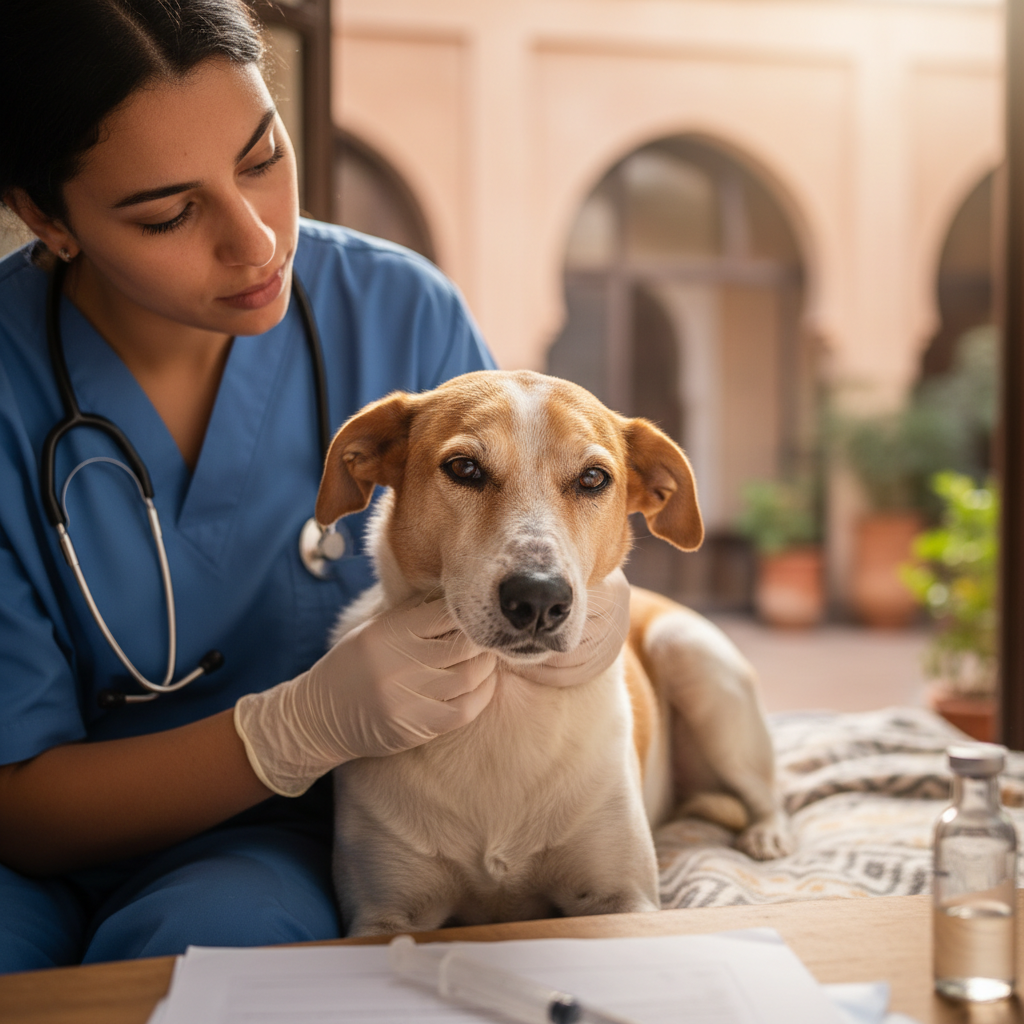
Understanding Leishmaniasis: A Threat to Moroccan Dogs
Leishmaniasis, a debilitating parasitic disease, poses a significant health challenge to dogs across Morocco. Transmitted by the bite of tiny, infected sandflies (phlebotomine flies), this disease, caused by Leishmania infantum, can have severe and often life-threatening consequences if left untreated. As Animal SoulSaver (جمعية حماية ارواح الحيوانات), we are committed to equipping pet owners and rescuers with the knowledge and tools necessary to combat this prevalent condition.
The Mediterranean climate of Morocco, with its warm temperatures and specific environmental conditions, provides an ideal habitat for sandflies, making our region endemic for leishmaniasis. Understanding the disease, its prevention, and management is paramount for the welfare of our beloved canine companions.
Prevention is Key: Protecting Your Dog from Sandflies
The most effective strategy against leishmaniasis is preventing sandfly bites. Sandflies are most active from dusk till dawn, particularly during warmer months. Here’s how you can protect your dog:
- Topical Insecticides: Use veterinary-approved spot-on treatments or collars containing active ingredients like permethrin or deltamethrin. These repellents and insecticides kill sandflies on contact or repel them, offering several weeks of protection. Always consult your veterinarian in Morocco for products suitable for your dog and locally available.
- Environmental Control: Keep dogs indoors during peak sandfly activity (dusk to dawn). Ensure windows and doors have fine-mesh screens to prevent sandfly entry. Fans can also deter these weak-flying insects.
- Vaccination: While not a standalone solution, vaccination against leishmaniasis can significantly reduce the risk of developing clinical disease or lessen its severity. It’s an additional layer of protection that should be discussed with your veterinarian, especially in high-risk areas.
Accurate Diagnosis: The Path to Effective Treatment
Early and accurate diagnosis is crucial for successful management of leishmaniasis. The clinical signs can be varied and non-specific, ranging from skin lesions, hair loss around the eyes, and brittle nails to weight loss, enlarged lymph nodes, and kidney failure. Your veterinarian will typically combine clinical examination with specific diagnostic tests.
- IFAT (Immunofluorescent Antibody Test): This serological test detects antibodies produced by the dog's immune system in response to the Leishmania parasite. It's a common screening tool, but a positive result indicates exposure, not necessarily active disease, and false negatives can occur in early stages or immunocompromised animals. A high and rising titer is more indicative of active infection.
- PCR (Polymerase Chain Reaction): This molecular test directly detects the DNA of the Leishmania parasite in tissue samples (e.g., lymph node aspirate, bone marrow, skin biopsy) or blood. PCR is highly sensitive and specific, confirming the presence of the parasite and indicating active infection. It is invaluable for confirming diagnosis and monitoring treatment efficacy. Often, both IFAT and PCR are used together to provide a comprehensive diagnostic picture.
Treatment Protocols: Managing Leishmaniasis in Morocco
Treating leishmaniasis aims to achieve clinical remission and improve the dog's quality of life, as complete elimination of the parasite is often challenging. The standard treatment protocol in Morocco typically involves a combination of drugs:
- Glucantime (Meglumine Antimoniate): This is the primary leishmanicidal drug, administered via injection (subcutaneously or intramuscularly) daily for several weeks, as prescribed by your veterinarian. It directly targets and kills the Leishmania parasites. Side effects can include pain at the injection site, nausea, and potential kidney or liver issues, necessitating close monitoring by your vet.
- Allopurinol: This oral medication is an adjunctive therapy, meaning it's used in conjunction with Glucantime. Allopurinol inhibits purine synthesis in the parasite, reducing its multiplication. It is typically administered twice daily for an extended period, often lifelong, to prevent relapse. Side effects are generally mild but can include xanthine urolithiasis (kidney stones), requiring dietary management and regular monitoring of kidney function.
Your veterinarian will tailor the treatment plan based on the severity of the disease, the dog's overall health, and its response to medication. Regular follow-up appointments, blood tests (to monitor kidney and liver function, protein levels), and urine analyses are essential throughout and after treatment. While treatment can significantly improve a dog's condition, lifelong management and vigilance are often required.
A Call to Action for Animal SoulSaver Members
Leishmaniasis is a serious but manageable disease with proper care. As members of Animal SoulSaver (جمعية حماية ارواح الحيوانات), we urge all pet owners and rescuers in Morocco to be proactive. Implement sandfly prevention measures, seek veterinary attention at the first sign of illness, and adhere strictly to diagnostic and treatment protocols. Together, we can protect our dogs and improve their well-being against this endemic threat.