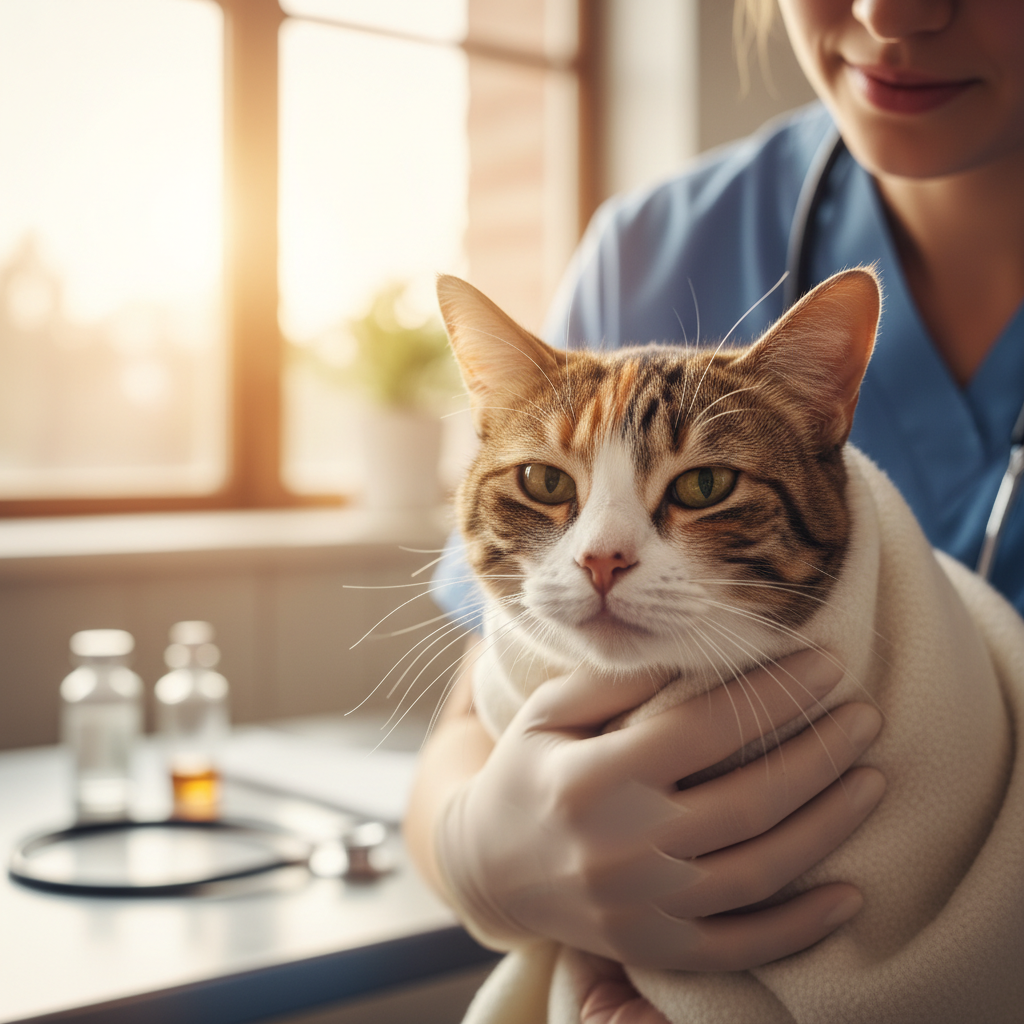
Feline Calicivirus and Coryza Complex: Protecting Our Moroccan Feline Friends
As veterinary researchers for Animal SoulSaver (جمعية حماية ارواح الحيوانات), we frequently encounter the challenges posed by Feline Calicivirus (FCV) and the Feline Coryza Complex. These highly contagious respiratory diseases are widespread in Morocco, affecting cats of all ages, especially kittens and those in multi-cat environments like shelters. Understanding these conditions, their treatment, and prevention is crucial for every pet owner and rescuer.
Feline Coryza Complex, often referred to simply as 'cat flu', is primarily caused by two viruses: Feline Herpesvirus-1 (FHV-1) and Feline Calicivirus (FCV). While both cause upper respiratory symptoms, FCV is unique for sometimes also causing oral ulcers and, less commonly, lameness. Both viruses weaken the cat's immune system, making them susceptible to secondary bacterial infections that complicate recovery.
Recognizing the Signs
Symptoms typically appear within 2-10 days post-exposure and can range from mild to severe. Common signs include sneezing, nasal discharge (clear, then potentially thick and discolored), ocular discharge (watery eyes, conjunctivitis), lethargy, fever, and loss of appetite. Cats with FCV may also develop painful ulcers on their tongue, palate, or gums, leading to drooling and reluctance to eat. In rare but severe FCV strains, a highly virulent systemic form (VS-FCV) can occur, leading to widespread organ damage and high mortality.
Diagnosis is usually based on clinical signs, especially in endemic areas like many parts of Morocco. PCR testing can confirm the specific virus, which may be beneficial in outbreak situations or for persistent carriers.
Treatment: A Multifaceted Approach
Treatment focuses on supportive care, managing symptoms, and addressing secondary bacterial infections. There is no direct cure for the viral infection itself, but excellent nursing care can significantly improve outcomes.
Supportive Care: The Cornerstone
- Hydration and Nutrition: Cats with respiratory disease often refuse to eat due to nasal congestion affecting their sense of smell. Offering highly palatable, warmed, moist food is vital. In severe cases, appetite stimulants or even a feeding tube may be necessary. Ensure access to fresh water.
- Humidity and Hygiene: Steam therapy (e.g., in a steamy bathroom for 10-15 minutes, 2-3 times daily) helps loosen nasal secretions. Gently wiping away eye and nasal discharge with warm, damp cloths keeps airways clear and improves comfort. Maintaining a clean, stress-free environment is paramount.
- Warmth: Keep affected cats in a warm, draft-free area, which is especially important during Morocco's cooler winter months or chilly nights.
Targeting Secondary Bacterial Infections: Antibiotics in Morocco
Antibiotics are not effective against viruses but are crucial for treating secondary bacterial infections that often complicate FCV/Coryza. A veterinarian will prescribe antibiotics based on the cat's condition and local resistance patterns.
Commonly available antibiotics in Morocco for these conditions include:
- Amoxicillin-clavulanate: A broad-spectrum antibiotic often used as a first-line treatment for bacterial respiratory infections.
- Doxycycline: Particularly effective against intracellular bacteria like Chlamydophila felis and Mycoplasma, which are common secondary invaders in cat flu.
- Fluoroquinolones (e.g., Enrofloxacin, Marbofloxacin): These are potent broad-spectrum antibiotics, typically reserved for more severe or resistant infections, to minimize the development of antibiotic resistance.
- Cefovecin (Convenia): An injectable, long-acting antibiotic that can be very useful for cats that are difficult to medicate orally, providing up to 14 days of coverage from a single injection.
It is vital to complete the full course of antibiotics as prescribed by your veterinarian, even if your cat appears to be recovering.
Symptomatic Relief
- Anti-inflammatories: Non-steroidal anti-inflammatory drugs (NSAIDs), prescribed by a vet, can reduce fever, pain, and inflammation, particularly helpful for FCV-induced oral ulcers or lameness. Never use human NSAIDs on cats.
- Ocular medications: Topical eye drops or ointments may be prescribed for conjunctivitis or corneal ulcers associated with FHV-1.
Prevention: The Best Defense
Prevention is always better than cure, especially with highly contagious diseases like FCV and Coryza.
Vaccination: Your Cat's Shield
Vaccination is the most effective preventative measure. The core FVRCP (Feline Viral Rhinotracheitis, Calicivirus, Panleukopenia) vaccine protects against both FHV-1 and FCV. Kittens typically receive a series of vaccinations, followed by regular boosters as recommended by your veterinarian. While vaccination may not prevent infection entirely, it significantly reduces the severity of the disease and viral shedding, making it a cornerstone of feline health in Morocco.
Hygiene and Environment: Breaking the Chain
- Strict Hygiene: Viruses can survive on surfaces for days. Regular cleaning and disinfection (e.g., with diluted bleach or veterinary disinfectants) of food bowls, litter boxes, toys, and surfaces are essential, especially in multi-cat households or shelters.
- Isolation: Sick cats should be immediately isolated from healthy cats to prevent spread. Separate feeding bowls, litter boxes, and handling procedures are crucial. Always wash hands thoroughly after handling a sick cat.
- Ventilation: Good ventilation in indoor cat areas helps reduce the concentration of airborne viral particles. Even in Morocco's warmer climate, ensuring fresh air circulation is important.
Stress Reduction
Stress can suppress a cat's immune system, making them more susceptible to illness or reactivation of latent FHV-1. Provide a stable, enriching environment, minimize sudden changes, and use feline pheromone diffusers (e.g., Feliway) if needed to help reduce anxiety.
By understanding and implementing these comprehensive strategies, pet owners and rescuers in Morocco can significantly improve the health and well-being of our cherished feline companions against Feline Calicivirus and Coryza Complex. Always consult with your local veterinarian for personalized advice and treatment plans.