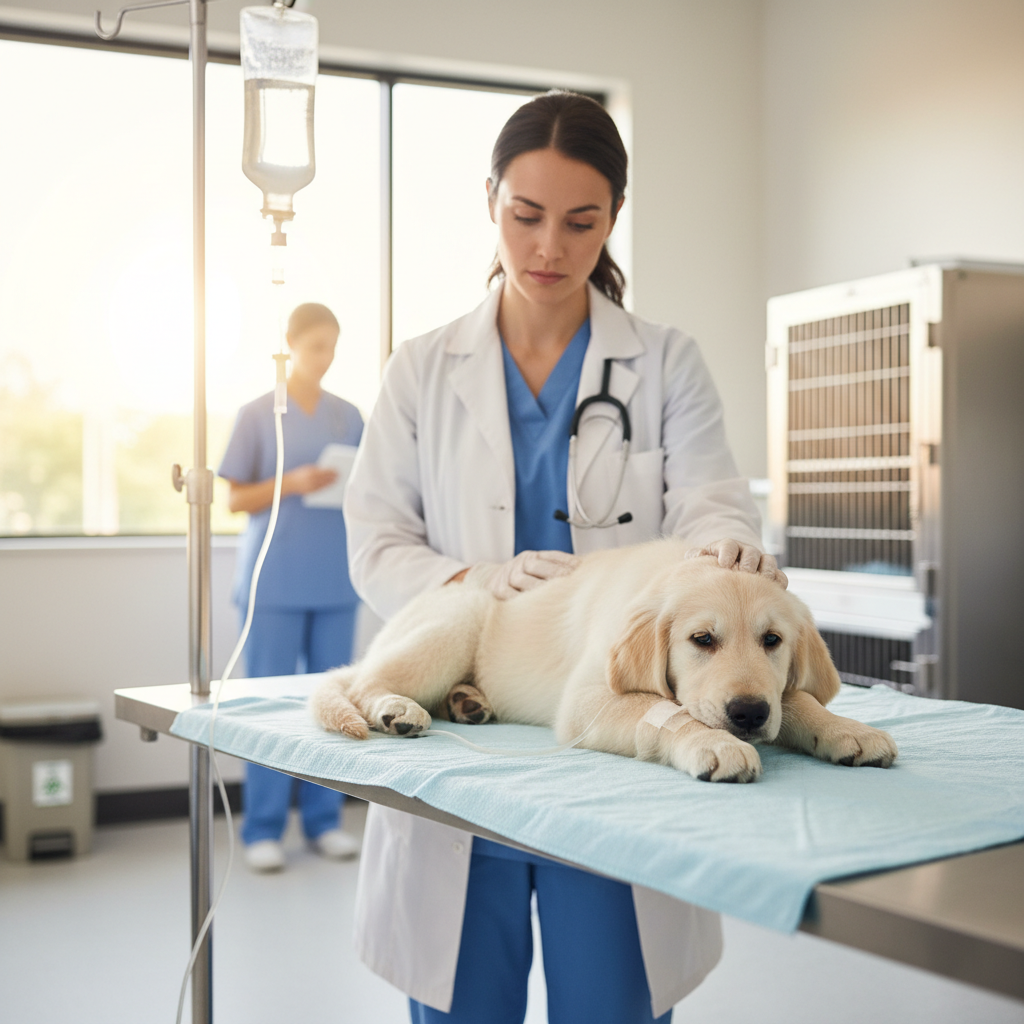
As Animal SoulSaver (جمعية حماية ارواح الحيوانات), we are dedicated to safeguarding the well-being of animals across Morocco. One of the most devastating threats to young canine lives is Canine Parvovirus (CPV), a highly contagious and often fatal disease, particularly rampant among unvaccinated puppies, including many of the strays and rescues we encounter.
Understanding Canine Parvovirus (CPV)
Canine Parvovirus is a severe viral infection that primarily targets the rapidly dividing cells in a puppy's body, most notably those in the intestinal lining and bone marrow. This attack leads to severe gastrointestinal distress and compromises the immune system. The virus is incredibly resilient, surviving in the environment for months, making it a constant threat in public spaces, shelters, and even homes where an infected dog once lived. Transmission occurs primarily through the fecal-oral route, meaning a puppy can contract it by coming into contact with contaminated feces, soil, food bowls, or even people's shoes and clothing.
Early Symptoms: Recognizing the Danger Signs
Early detection is paramount for a puppy's survival. Pet owners and rescuers in Morocco must be vigilant for these critical signs:
- Lethargy and Weakness: Your puppy may seem unusually tired, unwilling to play, and generally listless.
- Loss of Appetite (Anorexia): A sudden refusal to eat or drink is a major red flag.
- Vomiting: Frequent and persistent vomiting, which can quickly lead to severe dehydration.
- Diarrhea: Often severe, watery, and typically characterized by a foul odor. It may contain blood, ranging from streaks to a dark, tarry appearance. This is a very late and serious symptom.
These symptoms can appear rapidly, often within 3-7 days after exposure. If you observe any combination of these signs, especially in an unvaccinated puppy, immediate veterinary attention is not just recommended, it is critical.
Survival Rates with Prompt Treatment
While CPV is incredibly dangerous, it is not an automatic death sentence. With aggressive, prompt veterinary treatment, survival rates can be significantly high, often ranging from 68% to 92%. Without treatment, the survival rate plummets to less than 10-20%. The key is immediate and intensive supportive care, which typically includes:
- Intravenous (IV) Fluid Therapy: Essential to combat severe dehydration and electrolyte imbalances caused by vomiting and diarrhea. Common fluids like Ringer's Lactate or 0.9% Saline are readily available in Moroccan veterinary clinics.
- Antiemetics: Medications to control vomiting (e.g., Maropitant, Metoclopramide) are crucial for patient comfort and to allow fluid retention. These are standard in local veterinary pharmacies.
- Antibiotics: Although CPV is a virus, antibiotics (e.g., Metronidazole, Amoxicillin-Clavulanate) are administered to prevent or treat secondary bacterial infections that can occur when the damaged intestinal lining allows bacteria to enter the bloodstream.
- Pain Management: To alleviate abdominal discomfort.
- Nutritional Support: Once vomiting subsides, a bland, easily digestible diet is introduced gradually.
In Morocco, access to veterinary clinics varies, but urban centers and larger towns typically have well-equipped facilities capable of providing this level of care. Costs can be a factor, highlighting the importance of preventative measures and seeking assistance from organizations like Animal SoulSaver where possible.
The Lifesaving Power of Vaccination
Vaccination is by far the most effective and critical tool in preventing CPV. A properly vaccinated puppy is highly protected against this devastating disease. The standard vaccination protocol for puppies involves a series of doses:
- First Dose: Typically given at 6-8 weeks of age.
- Subsequent Doses: Administered every 3-4 weeks until the puppy is 16 weeks old. This series is vital because maternal antibodies, passed from the mother, can interfere with the vaccine's effectiveness in very young puppies.
- Boosters: Adult dogs require regular booster shots, usually annually or every three years, depending on the vaccine type and veterinary advice, to maintain immunity.
For rescuers and pet owners in Morocco, ensuring puppies complete their full vaccination series is non-negotiable. This is particularly crucial given the high prevalence of stray animals and the environmental persistence of the virus. Animal SoulSaver strongly advocates for widespread vaccination campaigns to protect our canine population.
Crucial Home Care and Biosecurity for Recovering Puppies
Home care is strictly supportive and should only be undertaken under direct veterinary guidance, especially for puppies recovering after initial clinical treatment, or in dire situations where immediate clinic access is impossible (though veterinary consultation, even by phone, is always recommended). It is NOT a substitute for professional veterinary care.
- Isolation: The recovering puppy must be strictly isolated from other dogs, especially unvaccinated ones, for at least two weeks after symptoms resolve, as they can still shed the virus.
- Hydration: Continue to offer small, frequent s sips of water or vet-approved oral rehydration solutions. In Morocco's often warm climate, preventing dehydration is even more critical.
- Nutrition: Once vomiting has completely stopped for 12-24 hours, introduce small amounts of bland, easily digestible food (e.g., boiled chicken and rice, or veterinary prescription diet) several times a day.
- Hygiene and Disinfection: CPV is notoriously difficult to kill. Thoroughly clean all contaminated areas (floors, kennels, bowls, toys) with a strong disinfectant. A 1:30 dilution of household bleach (sodium hypochlorite) in water is highly effective against CPV on non-porous surfaces. Let it sit for at least 10 minutes before rinsing. Regular handwashing is also essential.
- Warmth and Comfort: Provide a quiet, warm, and comfortable resting place.
- Monitoring: Continuously monitor your puppy for any relapse of symptoms, especially dehydration or lack of appetite, and report immediately to your veterinarian.
Canine Parvovirus is a formidable adversary, but with knowledge, vigilance, and proactive measures, we can significantly reduce its impact on Morocco's beloved canine companions. Animal SoulSaver urges all pet owners and rescuers to prioritize vaccination and seek immediate veterinary care at the first sign of illness. Together, we can protect these precious lives.