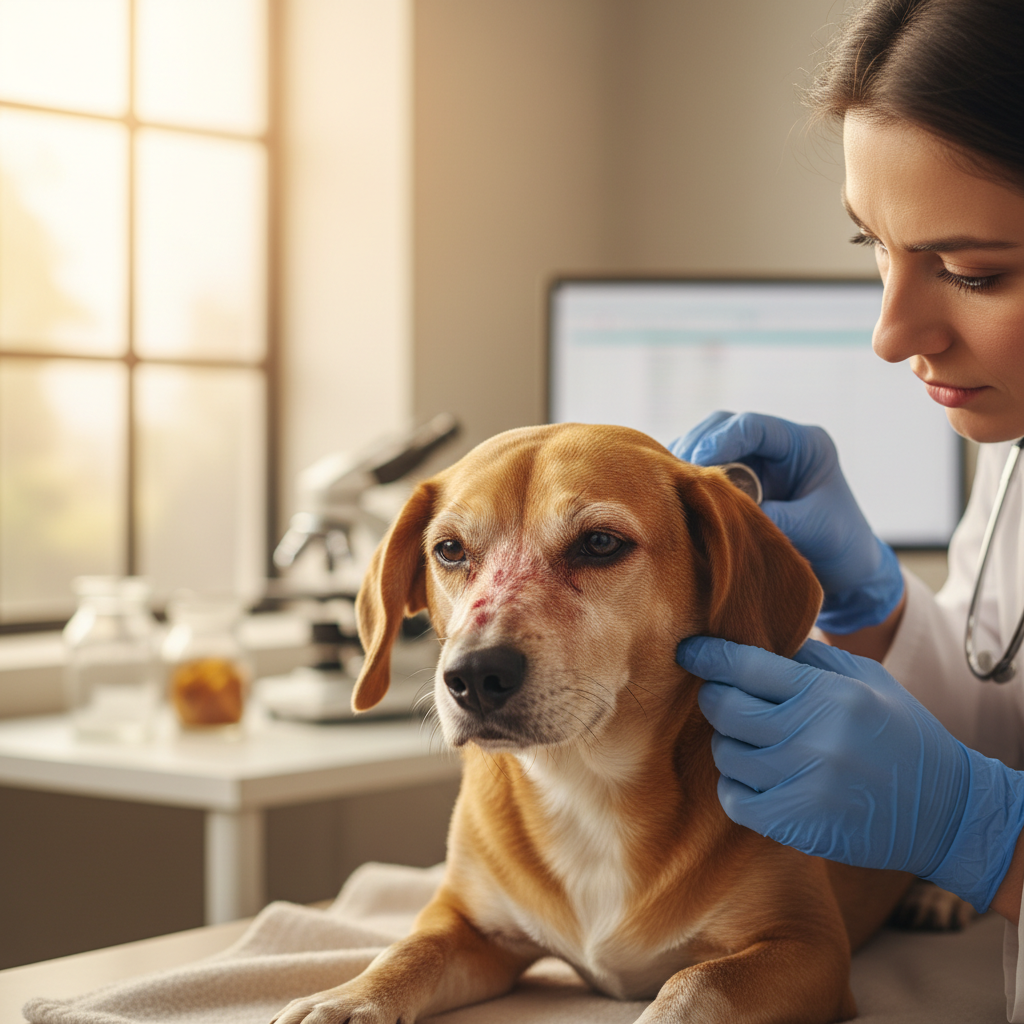
Understanding Mange: A Common Challenge for Our Moroccan Dogs
Mange, known as “gale” in French and Darija, is a widespread parasitic skin disease affecting dogs worldwide, including here in Morocco. It’s caused by tiny mites that either burrow into the skin (sarcoptic mange) or live in hair follicles (demodectic mange), leading to intense itching, hair loss, skin lesions, and significant discomfort. For Animal SoulSaver, tackling mange is a daily challenge in rescuing and rehabilitating dogs, making accurate diagnosis and effective treatment paramount.
Sarcoptic Mange: The Itch You Can't Ignore
Sarcoptic mange, or canine scabies, is caused by the mite Sarcoptes scabiei. This type is characterized by EXTREME itchiness, often sudden in onset, causing the dog to scratch relentlessly. The intense pruritus (itching) is often disproportionate to the visible lesions. Appearance includes redness, papules (small bumps), crusts, scabs, and significant hair loss, particularly on the ear flaps (pinnae), elbows, hocks (ankles), and abdomen. Sarcoptic mange is highly contagious to other dogs through direct contact and can cause temporary, itchy lesions in humans (zoonotic potential), though the mites cannot complete their life cycle on people. It is very common in stray and neglected dog populations.
Demodectic Mange: The Mite That Lives Within
Demodectic mange, caused by Demodex canis mites, is different. These mites are a normal inhabitant of a dog's skin in small numbers. Disease occurs when there's an overpopulation of these mites, typically due to an immature or weakened immune system, stress, or an underlying illness. Unlike sarcoptic mange, demodectic mange is generally not contagious to other dogs or humans. It presents in two main forms:
- Localized Demodex: Characterized by small, well-defined patches of hair loss (alopecia), often around the eyes, mouth, and on the forelegs. These cases can sometimes resolve spontaneously, especially in young dogs.
- Generalized Demodex: More serious, involving widespread hair loss, redness, scaling, and often accompanied by secondary bacterial skin infections, leading to more severe lesions and discomfort.
Diagnosis: The Key to Effective Treatment
Accurate diagnosis is crucial to differentiate between these two types of mange, as their management differs. A veterinarian will typically perform deep skin scrapings, where a small amount of skin is gently scraped with a blade and examined under a microscope for the presence of mites. For Demodex, hair plucks are also often diagnostic as mites live in the follicles. Sarcoptic mites can be notoriously difficult to find, so a presumptive diagnosis based on clinical signs (especially intense pruritus) and a treatment trial might be necessary if scrapings are negative but suspicion remains high.
Ivermectin: A Potent Ally in the Fight Against Mange
Ivermectin is an antiparasitic medication that works by disrupting the nervous system of mites, effectively killing them. It is widely used and effective for both sarcoptic and demodectic mange. For both conditions, treatment typically involves oral or subcutaneous (under the skin) administration of Ivermectin at specific doses, usually once a week or every other week, for several weeks (e.g., 6-8 weeks or until multiple negative skin scrapings are achieved). The EXACT dosage and duration must be determined by a veterinarian.
In Morocco, Ivermectin is a widely available and cost-effective medication, making it a cornerstone of mange treatment, especially for rescue organizations like Animal SoulSaver, where resources can be limited. However, there are important cautions:
- Breed Sensitivity: Certain dog breeds, including Collies, Shetland Sheepdogs, Australian Shepherds, and Old English Sheepdogs, have a genetic mutation (MDR1 gene) that makes them highly sensitive to Ivermectin, leading to severe neurological side effects. ALWAYS inform your veterinarian of your dog's breed.
- Side Effects: In sensitive individuals or with incorrect dosing, side effects can include lethargy, vomiting, tremors, and even seizures. Always administer under strict veterinary guidance.
While Ivermectin is highly effective, newer isoxazoline parasiticides (e.g., afoxolaner, sarolaner, fluralaner, lotilaner), available as convenient monthly oral chewables, are often considered safer and sometimes more rapidly effective for some cases and breeds. However, Ivermectin remains a critical and accessible tool in our fight against mange.
Environmental Decontamination: Breaking the Cycle
For Sarcoptic Mange, environmental decontamination is CRITICAL. Sarcoptes mites can survive off the host for several days, and sometimes up to 2-3 weeks in cool, humid environments typical of parts of Morocco during certain seasons. To prevent re-infestation and spread:
- Wash everything: ALL bedding, blankets, towels, toys, collars, and harnesses must be washed in hot water (60°C or higher) and dried on high heat.
- Vacuum thoroughly: Carpets, rugs, and upholstered furniture should be vacuumed meticulously. Dispose of vacuum bags immediately.
- Disinfect surfaces: Clean and disinfect all hard surfaces (floors, kennels, crates) with a suitable household disinfectant or diluted bleach solution (e.g., 1 part bleach to 32 parts water). Allow adequate contact time.
- Consider discarding: Old, heavily infested bedding or items that cannot be thoroughly cleaned should be discarded.
- Treat all contacts: All dogs in contact with the infected dog should be treated simultaneously, even if asymptomatic.
For Demodectic Mange, environmental decontamination is generally NOT required. Demodex mites cannot survive off the host for long, so focus should be entirely on treating the dog and addressing any underlying health issues contributing to the mite overgrowth.
Protecting Our Moroccan Companions: A Unified Effort
Mange is unfortunately prevalent in Morocco's stray dog population, underscoring the importance of early detection and treatment. Good nutrition, regular parasite control, and a clean living environment contribute to a strong immune system, potentially preventing generalized demodectic mange. If you suspect your dog has mange, do not attempt to self-diagnose or self-treat. Always consult a veterinarian. Animal SoulSaver works tirelessly to provide care, and your collaboration in following veterinary advice, consistent treatment, and appropriate environmental control for sarcoptic mange are the cornerstones of successful recovery and preventing suffering in our beloved Moroccan companions.