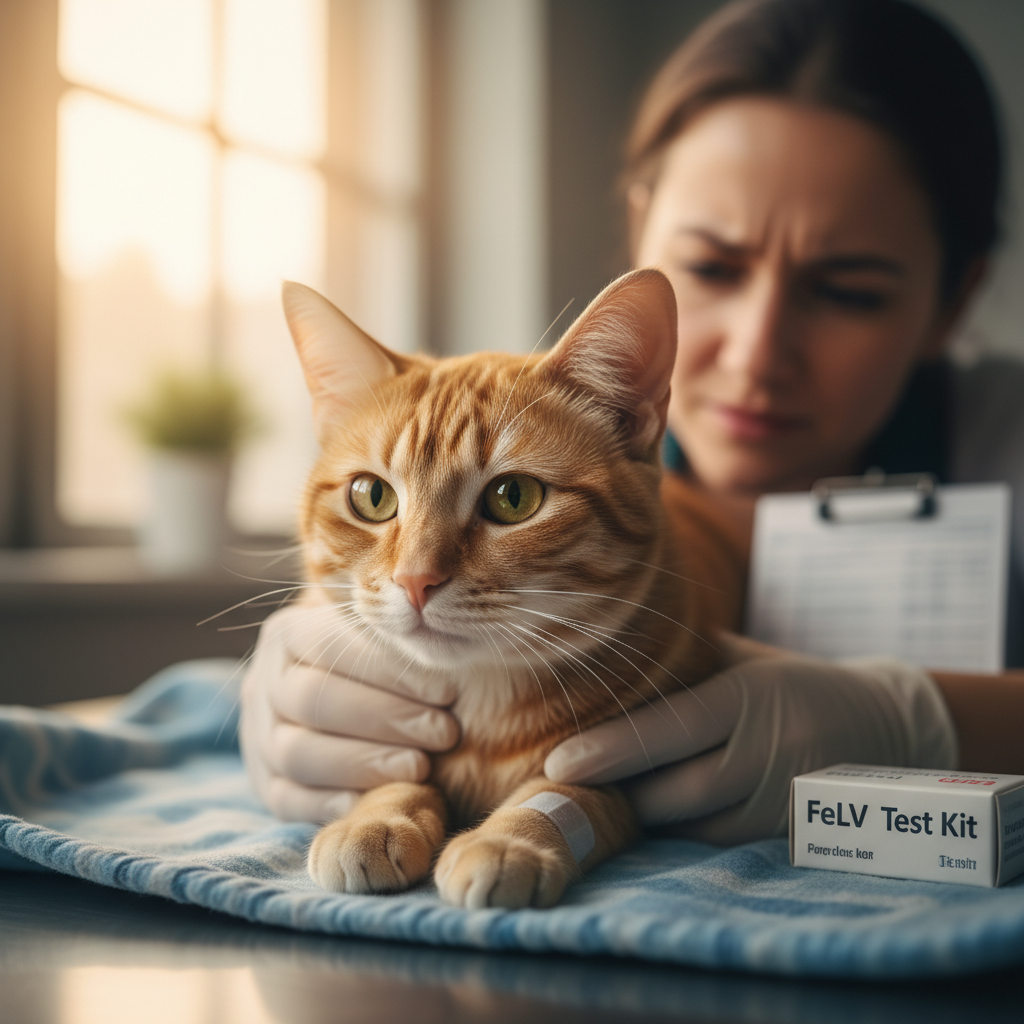
Dear Animal SoulSaver (جمعية حماية ارواح الحيوانات) community, understanding Feline Leukemia Virus (FeLV) is vital for every cat owner and rescuer in Morocco. FeLV is a retrovirus that can severely compromise a cat's immune system, leading to various health problems, including anemia, immunosuppression, and different types of cancer. While it sounds daunting, with proper knowledge and care, FeLV-positive cats can still live fulfilling lives, and transmission can be effectively prevented.
What is FeLV and How is it Transmitted?
FeLV is primarily spread through close, prolonged contact between cats. The virus is shed in saliva, nasal secretions, urine, feces, and milk. Common transmission routes include mutual grooming, sharing food and water bowls, and fighting. Kittens can also contract the virus from an infected mother during gestation or nursing. Importantly, FeLV is a fragile virus that does not survive long in the environment, meaning casual contact or indirect exposure is unlikely to transmit the disease. It affects only felines and poses no risk to humans or other animals.
Testing for FeLV: Early Detection is Key
Early and accurate testing is paramount for managing FeLV. The most common initial screening test is the ELISA (Enzyme-Linked Immunosorbent Assay), which detects a specific viral protein (p27 antigen) in the blood. This rapid in-clinic test is widely available in Moroccan veterinary practices. A positive ELISA result indicates active infection, but a re-test is often recommended 4-12 weeks later to differentiate between transient and progressive infections, as some cats can clear the virus naturally. For confirmation, especially in ambiguous cases, your veterinarian might recommend an IFA (Immunofluorescence Assay) or PCR (Polymerase Chain Reaction) test. IFA detects the p27 antigen within infected blood cells and indicates a progressive, lifelong infection. PCR tests detect viral genetic material and can be helpful for detecting latent infections. In Morocco, while ELISA kits are common, advanced IFA or PCR testing might require sending samples to larger diagnostic laboratories in cities like Rabat or Casablanca, or even abroad. Always consult your local veterinarian for the most appropriate testing protocol.
Understanding the Prognosis: Not a Death Sentence
The prognosis for an FeLV-positive cat varies significantly. Cats that develop a progressive infection, where the virus continuously replicates and spreads throughout the body, typically have a shorter lifespan (averaging 2-3 years after diagnosis) due to severe immunosuppression, anemia, and cancer development. However, many cats develop a regressive infection, meaning they successfully fight off the virus or it becomes latent, leading to a normal lifespan with careful monitoring. Some cats may even clear the virus completely. It's crucial to remember that an FeLV diagnosis is not an immediate death sentence; it means a commitment to vigilant care and a focus on quality of life.
Managing FeLV+ Cats: A Life of Care and Love
Managing an FeLV-positive cat focuses on maximizing their quality of life and preventing secondary illnesses. Here's how: Indoor Lifestyle and Isolation:* FeLV+ cats should be kept strictly indoors to prevent spreading the virus to other cats and to protect their weakened immune systems from environmental pathogens. If you have FeLV-negative cats, the FeLV+ cat should live separately to prevent transmission. Regular Veterinary Check-ups:* Schedule veterinary visits every six months, or immediately if any signs of illness appear. Your vet will monitor blood counts, organ function, and address any health concerns promptly. Nutrition and Hygiene:* Provide a high-quality, balanced diet to support their immune system. Maintain impeccable hygiene for food and water bowls, and litter boxes. Cleanliness is paramount. Parasite Control:* Due to their compromised immune systems, FeLV+ cats are more susceptible to parasites. Regular deworming and flea/tick prevention, as recommended by your Moroccan vet, are essential. Prompt Treatment of Secondary Infections:* FeLV+ cats are prone to bacterial, viral, and fungal infections. Prompt and aggressive treatment with antibiotics, antifungals, or other supportive therapies is crucial. Many common medications are readily available in Morocco. Vaccinations:* Discuss with your vet which vaccines are appropriate. While the FeLV vaccine is for FeLV-negative cats, other core vaccines (e.g., rabies, FVRCP) may be recommended using non-adjuvanted versions if available, depending on the individual cat's health status and risk factors. Antivirals and Immunostimulants:* While specific antiviral medications (like Azidothymidine - AZT) or immunostimulants (like feline omega interferon) exist, their availability and cost in Morocco can be prohibitive. Moroccan veterinarians often focus on comprehensive supportive care, ensuring comfort and managing symptoms effectively.
Preventing Transmission: Protecting Our Feline Friends
Prevention is the cornerstone of controlling FeLV in the feline population: Test All Cats:* Every new cat entering a household or rescue, all sick cats, and all kittens should be tested for FeLV. In multi-cat environments, regular testing is critical. Vaccination:* The FeLV vaccine is highly effective and recommended for all FeLV-negative cats at risk of exposure, such as those with outdoor access, those living in multi-cat households, or those housed with FeLV-positive cats (even with precautions). Consult your Moroccan veterinarian about the best vaccination protocol for your cat. Spay/Neuter:* Reduces fighting and roaming, which are common ways FeLV spreads. Strict Isolation:* Keep FeLV-positive cats separated from FeLV-negative cats. Indoor Living:* Keeping cats exclusively indoors significantly reduces their risk of exposure to FeLV and many other infectious diseases common among stray populations in Morocco.
By embracing responsible pet ownership through testing, vaccination, and dedicated care, we can make a significant difference in the lives of FeLV-positive cats and protect our entire feline community here in Morocco. Your local veterinarian is your most valuable partner in this journey.