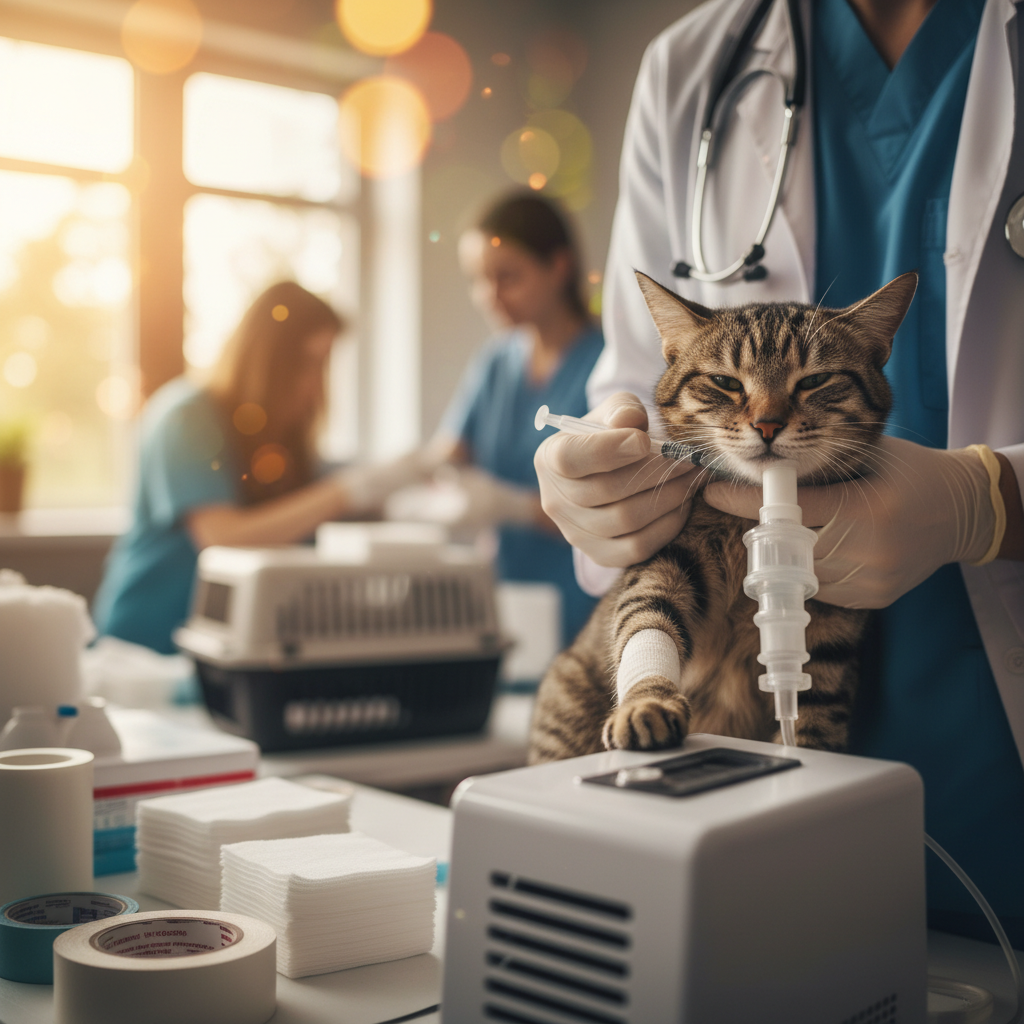
Introduction: The Challenge of Feline Respiratory Infections
Street cats are an integral part of Morocco's urban and rural landscapes, but their lives are often fraught with challenges, including prevalent health issues. Among the most common and debilitating are Feline Upper Respiratory Tract Infections (FURTIs), commonly known as "cat flu." These infections, particularly rampant during colder, damp seasons, can rapidly spread through colonies, leading to severe illness and even death, especially in vulnerable kittens. At Animal SoulSaver (جمعية حماية ارواح الحيوانات), we are committed to providing practical, evidence-based guidance to help our dedicated rescuers and caregivers mitigate the suffering of these animals. This article outlines accessible treatment protocols using medications found in Moroccan pharmacies, alongside essential supportive care.
Understanding Feline Respiratory Infections ("Cat Flu")
Feline Respiratory Infections are typically caused by a combination of viral and bacterial pathogens. The primary viral culprits are Feline Herpesvirus-1 (FHV-1) and Feline Calicivirus (FCV). While antibiotics are ineffective against viruses, these infections often lead to secondary bacterial infections (e.g., Chlamydophila felis, Mycoplasma, Bordetella bronchiseptica), which complicate the illness and necessitate antibiotic intervention. The Moroccan climate, with its seasonal temperature fluctuations and occasional dampness, can exacerbate these conditions, making street cats particularly susceptible.
Recognizing the Signs: Early Detection is Key
Prompt recognition of symptoms is crucial for effective intervention. Look for:
- Sneezing and nasal discharge: Initially clear, becoming thick and yellow/green with bacterial involvement.
- Ocular discharge and conjunctivitis: Red, swollen eyes, with clear or purulent discharge.
- Lethargy and reduced appetite: Sick cats often become withdrawn and refuse to eat due to discomfort and loss of smell.
- Fever: Although difficult to assess without a thermometer, a warm nose or ears can be an indicator.
- Oral ulcers: Especially with Feline Calicivirus, painful ulcers on the tongue, gums, or roof of the mouth can occur.
- Difficulty breathing: Open-mouth breathing or excessive effort to breathe is a medical emergency.
Essential Supportive Care: The Foundation of Treatment
Supportive care is paramount, especially for street cats where veterinary access might be limited. These measures can significantly improve recovery rates:
- Warm, Dry, and Safe Environment: Provide shelter from cold, wind, and rain. A quiet, stress-free space is vital for healing.
- Hydration: Offer fresh water constantly. If the cat isn't drinking, offer tuna water or diluted rehydration solutions (like those for human infants, e.g., GES 45).
- Nutrition: Anorexia is a major concern. Offer highly palatable, strong-smelling wet food (tuna in water, sardines, chicken baby food). Warming the food slightly can enhance its aroma and palatability. Feed small, frequent meals.
- Nasal Hygiene: Gently clean nasal and ocular discharge with a warm, damp cloth several times a day to keep airways clear and prevent crusting. Steaming (e.g., taking the cat into a bathroom while showering) can help loosen secretions.
- Stress Reduction: Minimize handling if the cat is fearful, and ensure a calm environment.
Medication Protocols: What's Available in Moroccan Pharmacies
While veterinary consultation is always recommended, practical limitations often necessitate reliance on human-grade medications available over-the-counter or with a prescription in Moroccan pharmacies (الصيدلية).
Antibiotics for Secondary Bacterial Infections
Antibiotics are crucial for addressing secondary bacterial complications, not the initial viral infection. Always consult a veterinarian for precise dosages, but for emergency situations or when vet access is impossible, the following are commonly used:
- Amoxicillin (e.g., Augmentin, Clamoxyl): A broad-spectrum antibiotic. Dosage: 20 mg/kg orally, twice daily (BID). Human formulations are often 250mg or 500mg tablets, or suspensions. Crush tablets and mix with a small amount of palatable wet food. Duration: 7-10 days, or at least 3-5 days beyond resolution of bacterial symptoms.
- Doxycycline (e.g., Doxymycin, Vibramycin): Excellent for Chlamydophila and Mycoplasma. Dosage: 5-10 mg/kg orally, once or twice daily (SID-BID). Caution: Can cause esophageal irritation in cats. Administer with food or follow with a small amount of water to prevent this. Human capsules are typically 100mg. Duration: 7-10 days.
Antivirals and Immune Support
- L-Lysine: While its efficacy for FHV-1 is debated, it is safe and often recommended. It can be found as human L-Lysine supplements. Dosage: 250-500 mg orally, once or twice daily (SID-BID). Can be mixed into food.
Ophthalmic Care
For conjunctivitis and ocular discharge:
- Gentamicin eye drops (e.g., Gentamycine): An antibiotic eye drop. Apply 1-2 drops into each affected eye, three to four times daily (TID-QID).
- Tetracycline ophthalmic ointment: If available, apply a thin strip to the conjunctival sac 2-3 times daily, especially useful for Chlamydophila.
Always clean discharge from the eyes before applying medication.
Prevention: A Long-Term Strategy
Prevention is always better than cure. For managed colonies, vaccination (FVRCP - Feline Viral Rhinotracheitis, Calicivirus, Panleukopenia) is highly effective. Good hygiene practices, proper nutrition, and stress reduction are vital for boosting immunity. Isolate new cats for a period to observe for symptoms before introducing them to a colony.
When to Consult a Veterinarian
While these protocols offer valuable immediate support, professional veterinary care is paramount in certain situations:
- Kittens: Very young cats are highly vulnerable and deteriorate rapidly.
- Severe Symptoms: Difficulty breathing, severe dehydration, complete anorexia, or non-responsiveness.
- No Improvement: If symptoms worsen or show no improvement after 3-5 days of home care.
- Chronic Illness: For cats with recurrent infections or persistent symptoms.
Conclusion: Compassion in Action
Treating respiratory infections in Moroccan street cats requires a blend of compassion, vigilance, and practical knowledge. By understanding the disease, implementing supportive care, and judiciously using available medications, rescuers and caregivers can significantly improve the quality of life and survival rates of these vulnerable animals. Animal SoulSaver (جمعية حماية ارواح الحيوانات) stands with you in this crucial mission, empowering you with the tools to provide a breath of fresh air to our feline friends.