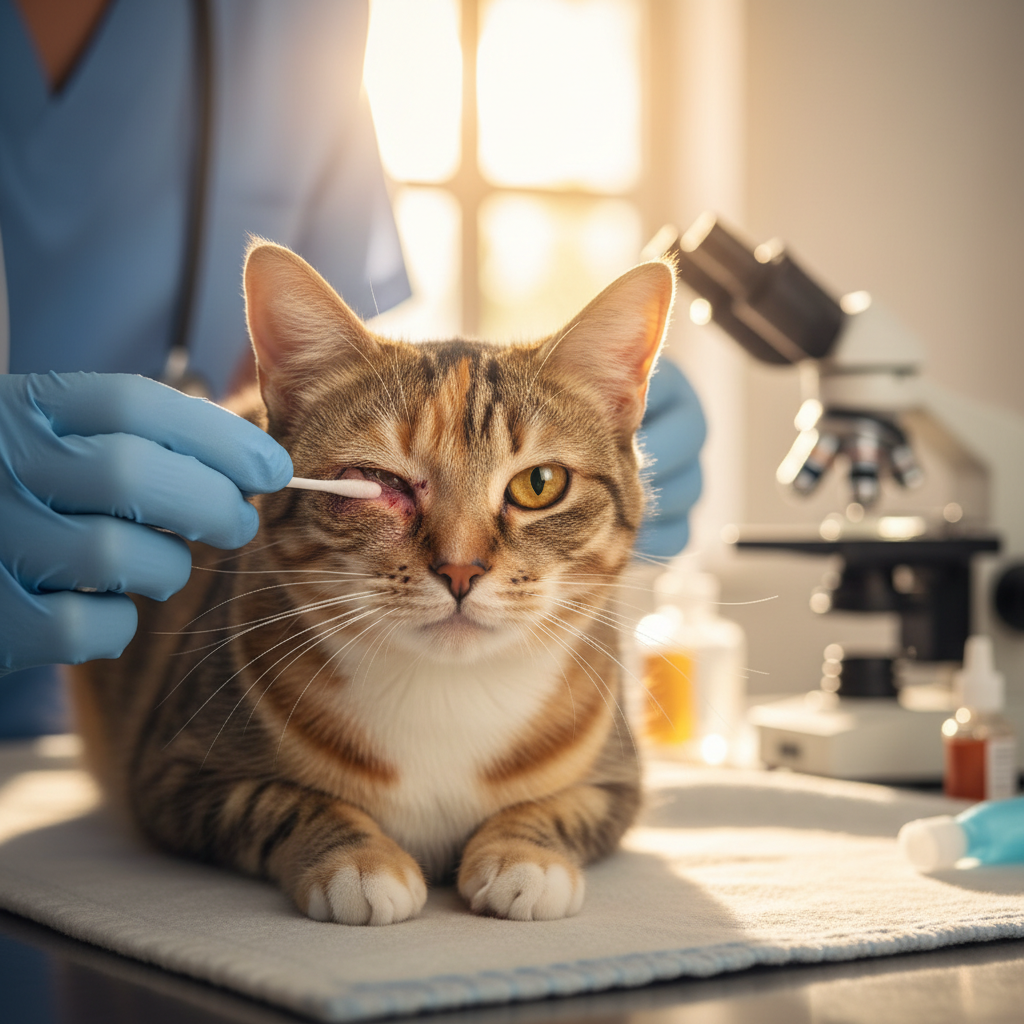
As dedicated animal protectors with Animal SoulSaver (جمعية حماية ارواح الحيوانات), we frequently encounter cats suffering from various eye ailments. Eye infections can range from mild irritation to serious conditions threatening a cat's vision if left untreated. Understanding the causes, recognizing symptoms, and knowing when to seek professional help are crucial for every pet owner and rescuer in Morocco.
Understanding Feline Conjunctivitis
Conjunctivitis is the inflammation of the conjunctiva, the pink membrane lining the eyelids and covering the front of the eyeball. It’s one of the most common eye problems in cats. Symptoms include redness, swelling, discharge (clear, watery, or thick and purulent), squinting, and pawing at the eyes. While some cases can be mild, others can indicate a more serious underlying issue.
Common causes include viral infections like Feline Herpesvirus-1 (FHV-1), bacterial infections such as Chlamydophila felis and Mycoplasma, and environmental irritants like dust or sand, which are prevalent in Morocco's climate. FHV-1, in particular, is a widespread cause of recurrent conjunctivitis and can also lead to corneal ulcers. (Gaskell et al., 2007, Journal of Feline Medicine and Surgery).
The Crucial Role of Veterinary Diagnosis
Self-diagnosing and treating eye infections can be dangerous. What might seem like simple conjunctivitis could be a symptom of a deeper problem, like a corneal ulcer. A veterinarian will perform a thorough eye examination, often using a fluorescein stain. This special dye reveals any abrasions or ulcers on the cornea, which are invisible to the naked eye. This step is non-negotiable and profoundly impacts treatment choices.
Treating Conjunctivitis: Choosing the Right Medication
Once a diagnosis is made, your vet will prescribe the appropriate medication, typically in the form of eye drops or ointments. Here’s a look at commonly available options in Morocco:
- Tobramycine (or other broad-spectrum antibiotics like Ofloxacin/Ciprofloxacin): These are topical antibiotics used to combat bacterial infections. Tobramycine is an aminoglycoside antibiotic effective against a range of Gram-negative and some Gram-positive bacteria. It is generally safe and often prescribed when a bacterial infection is suspected or confirmed, or as a prophylactic measure if a corneal ulcer is present (to prevent secondary bacterial infection).
- Sterdex and Frakidex: These are combination medications that contain both an antibiotic (e.g., Neomycin, Framycetin) and a corticosteroid (Dexamethasone). Corticosteroids are powerful anti-inflammatory agents that can quickly reduce redness and swelling. However, they come with a critical warning: NEVER use Sterdex or Frakidex if a corneal ulcer is present. Steroids suppress the immune response, which can severely hinder corneal healing, worsen an ulcer, and potentially lead to permanent vision loss or even rupture of the eye (Gelatt, 2014, Veterinary Ophthalmology). This is why the fluorescein stain test is paramount. Your vet will only prescribe these if a corneal ulcer has been definitively ruled out, typically for severe non-ulcerative inflammatory conditions or specific types of chronic conjunctivitis.
- Antivirals: For FHV-1 related conjunctivitis and ulcers, specific antiviral medications (e.g., topical Ganciclovir, or oral Famciclovir in some severe cases) may be prescribed. Availability and cost of these specialized antivirals might vary in Morocco.
Understanding and Managing Corneal Ulcers
A corneal ulcer is an open sore on the surface of the eye. They are often very painful, causing intense squinting, tearing, and sometimes a cloudy appearance to the eye. Causes can include trauma (e.g., cat fights, foreign bodies), FHV-1, or chronic dry eye.
Treatment for Corneal Ulcers:
1. NO STEROIDS: As mentioned, this is the golden rule. Steroids are absolutely contraindicated. 2. Topical Antibiotics: Essential to prevent secondary bacterial infections that can deepen the ulcer. Tobramycine, Ofloxacin, or Ciprofloxacin are commonly used. 3. Pain Management: Atropine eye drops may be used to reduce painful ciliary spasms. 4. Supportive Care: In severe or non-healing cases, blood serum eye drops (autologous serum) or specific contact lenses might be used. An Elizabethan collar (cone) is often necessary to prevent the cat from rubbing or pawing at the eye, which can worsen the ulcer. 5. Surgery: Deep or non-healing ulcers may require surgical intervention by a veterinary ophthalmologist.
Moroccan Context and Practical Advice
Morocco's climate, with its dust and sand, can exacerbate ocular irritation. Outdoor cats, particularly strays, are at higher risk for trauma and infectious diseases. Timely intervention is key, not just for the cat's well-being but also to manage treatment costs, as neglected infections can lead to expensive, complicated care.
- Hygiene: Gently clean any discharge from your cat's eyes with a sterile saline solution and a clean cotton ball or gauze.
- Isolation: If you have multiple cats, isolate the affected cat to prevent the spread of contagious eye infections.
- Complete the Course: Always administer the full course of medication as prescribed by your vet, even if symptoms improve quickly.
- Follow-up: Adhere to all follow-up appointments to ensure the infection is fully resolved and the eye is healing correctly.
Prevention and Long-Term Care
Routine veterinary check-ups and vaccinations (FVRCP vaccine protects against FHV-1 and Calicivirus) play a vital role in preventing severe eye infections. Maintaining a clean environment and reducing stress can also boost your cat's immune system. Early detection and prompt, professional veterinary care are your cat's best defense against serious eye conditions.
For the welfare of our feline companions in Morocco, let us all commit to vigilant care and responsible treatment of their precious eyes. When in doubt, always consult your veterinarian at Animal SoulSaver (جمعية حماية ارواح الحيوانات) or your local trusted clinic.