Spaying and Neutering: A Pillar of Animal Health and Community Well-being in Morocco
At Animal SoulSaver (جمعية حماية ارواح الحيوانات), we advocate for responsible pet ownership and humane population control. Spaying (ovariohysterectomy for females) and neutering (orchiectomy for males) are routine surgical procedures that offer profound benefits, not just for the individual animal's health but also for the wider community, especially in Morocco where stray animal populations are a significant concern.
Health Benefits for Females (Spaying)
Spaying involves the surgical removal of a female animal's ovaries and uterus. The health advantages are extensive. Foremost is the complete elimination of the risk of uterine and ovarian cancers, which can be aggressive and difficult to treat. Perhaps even more critical is the dramatic reduction in the risk of mammary tumors. Research indicates that females spayed before their first heat cycle have a significantly lower chance of developing these often malignant breast cancers, a risk that increases with each subsequent heat cycle. Furthermore, spaying prevents pyometra, a life-threatening uterine infection common in unspayed older females, which requires emergency surgery and can be fatal if untreated. Behaviorally, spaying eliminates heat cycles, preventing unwanted pregnancies and reducing undesirable behaviors such as howling, spraying, and roaming in search of mates.
Health Benefits for Males (Neutering)
Neutering involves the surgical removal of a male animal's testicles. This procedure eliminates the risk of testicular cancer entirely. It also significantly reduces the incidence of prostate diseases, such as benign prostatic hyperplasia (enlarged prostate), and conditions like perineal hernias, which are often hormone-related. From a behavioral standpoint, neutering can dramatically reduce aggression towards other animals and humans, curb roaming tendencies (decreasing the risk of traffic accidents), reduce urine spraying or marking behavior, and lessen mounting. These behavioral changes often lead to a happier, better-adjusted pet and a safer environment for the community.
Ideal Timing
The optimal timing for spaying or neutering can vary, and it's always best to consult with your veterinarian for personalized advice. Historically, 6 months of age was the standard recommendation. However, current veterinary research and practices, particularly in shelter medicine and TNR programs, often support early-age spay/neuter (EASN) for healthy animals as young as 8 weeks, especially if they weigh over 1 kg. For pet owners, some veterinarians recommend spaying females before their first heat cycle (typically 5-6 months) to maximize mammary tumor prevention benefits. For large and giant breed dogs, some studies suggest delaying neutering until skeletal maturity (12-18 months) to potentially reduce the risk of certain orthopedic issues like hip dysplasia or cranial cruciate ligament rupture, though this remains an area of ongoing research and debate. The benefits of early spay/neuter, particularly for population control and preventing serious diseases, often outweigh potential risks.
Post-Operative Care
Proper post-operative care is crucial for a smooth recovery. Your veterinarian will provide specific instructions, but general guidelines include:
- Monitoring: Keep a close eye on your pet for signs of pain (whining, lethargy, reluctance to move), swelling, redness, or discharge from the incision site. A small amount of swelling is normal, but significant changes warrant a call to your vet.
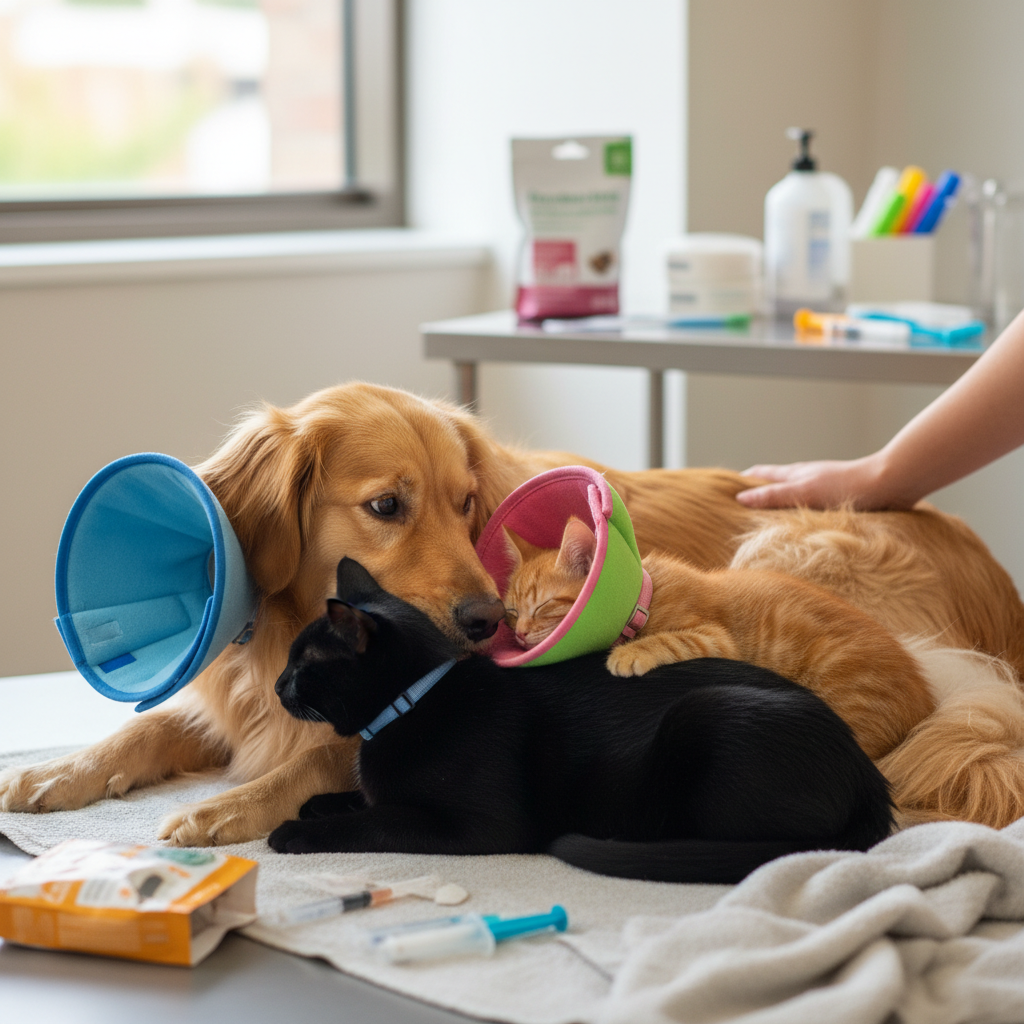
- Wound Care: Prevent your pet from licking or chewing the incision. An Elizabethan collar (E-collar or 'cone of shame') is often necessary. Keep the incision site clean and dry. In Morocco's often warm and dusty climate, preventing contamination and fly bother is particularly important.
- Activity Restriction: Limit strenuous activity, jumping, and rough play for 10-14 days to allow the incision to heal properly.
- Pain Management: Administer all prescribed pain medication (e.g., NSAIDs like meloxicam or carprofen, which are readily available in Moroccan veterinary clinics and pharmacies) exactly as directed. Adequate pain control is vital for comfort and healing.
- Nutrition and Hydration: Offer small, bland meals initially and ensure constant access to fresh water. Appetite should return within 24-48 hours.
- Follow-up: Attend any scheduled follow-up appointments for incision checks or suture removal (if non-absorbable sutures were used).
TNR Programs in Morocco (Trap-Neuter-Return)
Trap-Neuter-Return (TNR) is a humane and effective strategy for managing stray cat and dog populations. In Morocco, where stray animals are unfortunately very common, TNR is a critical tool for improving animal welfare and public health. Animal SoulSaver actively supports and participates in TNR initiatives. The process involves humanely trapping stray animals, taking them to a veterinarian for spaying or neutering, vaccination, and often ear-tipping (a universal sign that an animal has been sterilized and vaccinated), and then returning them to their original colony. TNR stabilizes colony populations, reduces nuisance behaviors associated with intact animals (fighting, spraying, breeding), and improves the overall health and quality of life for the animals in the community. It's a compassionate and scientifically proven method that prevents the endless cycle of reproduction and suffering.
Conclusion
Spaying and neutering are far more than just population control measures; they are fundamental acts of responsible pet ownership that profoundly enhance an animal's life and contribute to a healthier, safer community. By understanding the benefits, ensuring timely procedures, and providing diligent post-operative care, we can all contribute to the well-being of animals in Morocco. Supporting TNR programs is also vital in creating a more humane future for our stray animal populations.