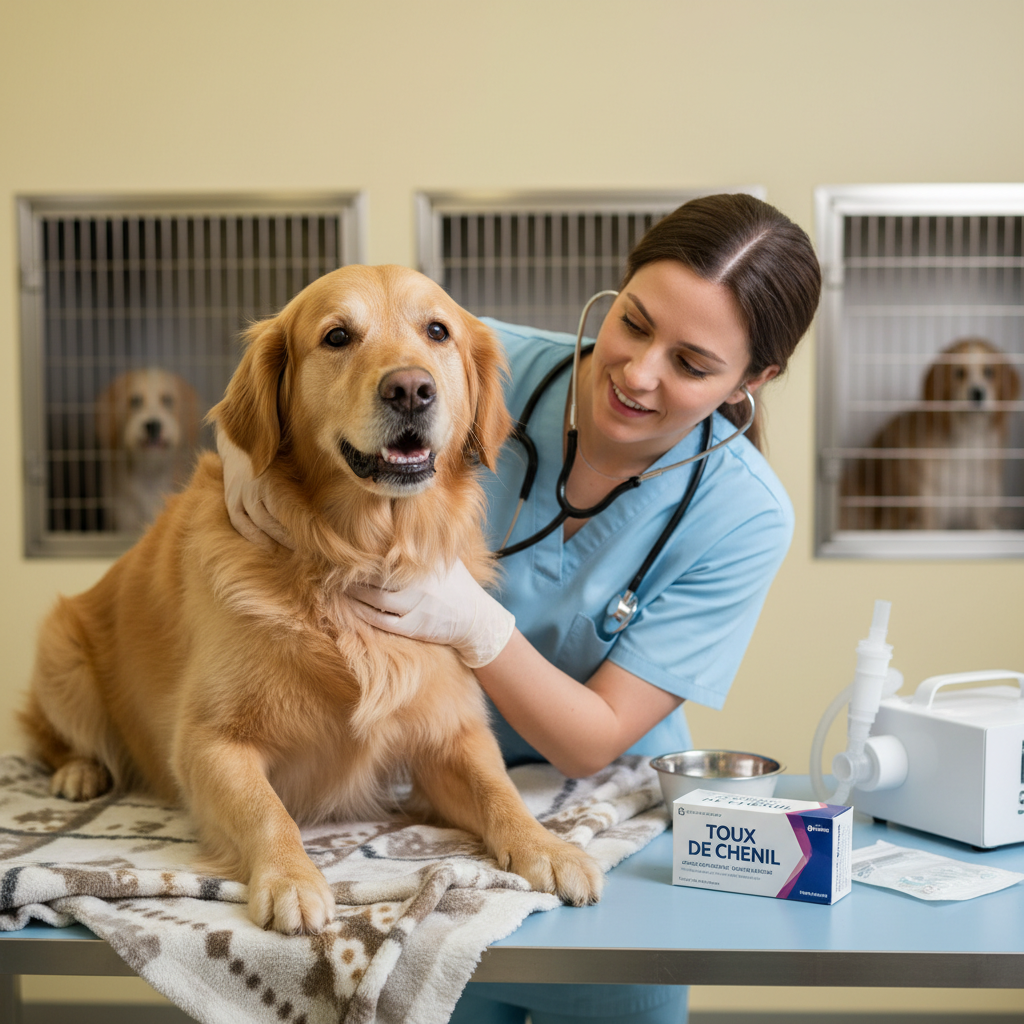
Understanding Kennel Cough (Toux de Chenil)
Kennel cough, scientifically known as Canine Infectious Respiratory Disease Complex (CIRDC), is a highly contagious respiratory illness affecting dogs worldwide. It’s not caused by a single pathogen but rather a combination of viruses (such as canine parainfluenza virus, adenovirus, and sometimes distemper virus) and bacteria, with Bordetella bronchiseptica being a primary bacterial culprit. This complex nature makes it challenging to pinpoint a single cause without specific diagnostic tests.
Transmission occurs easily through airborne droplets from coughing or sneezing, direct contact, or contaminated surfaces. This is why it’s prevalent in environments where many dogs gather, such as boarding kennels, shelters, dog parks, and even veterinary clinics. In Morocco, where community dogs are prevalent and shelters often operate at capacity, the risk of kennel cough transmission is particularly high, making awareness and preventive measures vital for Animal SoulSaver and pet owners alike.
Recognizing the Signs: Diagnosis
The most classic symptom of kennel cough is a sudden, harsh, dry, hacking cough, often described as sounding like a “goose honk.” This cough can be triggered or worsened by excitement, exercise, or pressure on the trachea (e.g., from a collar). It frequently ends with a gagging sound or retching, as if the dog is trying to clear something from its throat.
Other symptoms may include sneezing, nasal discharge (which can be clear or progress to thicker, purulent discharge), lethargy, and a slight decrease in appetite. In most cases, affected dogs remain otherwise bright and active.
Veterinary diagnosis typically relies on a thorough physical examination, listening to the dog’s chest, and palpating the trachea, which often elicits the characteristic cough. Your veterinarian will also inquire about your dog’s history, including recent exposure to other dogs or travel. While advanced diagnostic tools like PCR testing might be available in specialized clinics in major Moroccan cities, a clinical diagnosis based on symptoms and physical examination is often sufficient for uncomplicated cases.
Treatment with Antibiotics: When and Why
It’s crucial to understand that many mild, uncomplicated cases of kennel cough are self-limiting, meaning they resolve on their own within one to two weeks, much like a common cold in humans. In these instances, supportive care is often sufficient, including rest, humidification (e.g., steam from a shower), good nutrition, and ensuring access to fresh water.
Antibiotics are specifically effective against bacterial infections, not viral ones. Therefore, they are not always prescribed for kennel cough. Your veterinarian will consider antibiotics if there is strong suspicion of a primary bacterial component (like Bordetella bronchiseptica) or, more commonly, if there are signs of a secondary bacterial infection, such as pneumonia, or if the dog is particularly vulnerable (e.g., puppies, geriatric dogs, or immunocompromised individuals).
When antibiotics are deemed necessary, veterinarians in Morocco commonly prescribe medications such as Doxycycline (which is effective against Bordetella) or Amoxicillin-Clavulanate, depending on the suspected pathogen and severity. These treatments must always be administered under veterinary guidance, strictly following the prescribed dosage and duration to ensure efficacy and prevent antibiotic resistance. Cough suppressants may also be prescribed in some cases to provide comfort, but their use requires careful consideration.
When Kennel Cough Becomes Serious: Warning Signs
While most cases are mild, kennel cough can sometimes escalate into a more serious condition, particularly pneumonia. This complication is more likely in young puppies, older dogs, immunocompromised dogs, or brachycephalic (short-nosed) breeds, which are common in Morocco.
Seek immediate veterinary attention if you observe any of the following signs:
- Persistent or worsening cough: A cough that lasts beyond two weeks or becomes more severe.
- Lethargy and loss of appetite: Your dog becomes unusually quiet, unresponsive, or refuses to eat or drink.
- Fever: A rectal temperature above 39.5°C.
- Difficulty breathing: Labored breathing, rapid shallow breaths, open-mouth breathing, or noticeable effort in breathing.
- Productive cough: Coughing up thick, yellow, or green phlegm.
- Blue-tinged gums: This is a medical emergency indicating a severe lack of oxygen.
If your dog exhibits any of these serious symptoms, prompt veterinary intervention is critical. Treatment for severe cases may involve hospitalization, intravenous fluids, oxygen therapy, stronger or broader-spectrum antibiotics, and nebulization. Access to intensive care facilities can be limited outside major urban centers in Morocco, underscoring the importance of early detection and veterinary intervention to prevent severe progression.
Prevention is Key
The best approach to kennel cough is prevention. Vaccination is highly effective, with core vaccines protecting against canine distemper, adenovirus, and parainfluenza virus. Specific vaccines for Bordetella bronchiseptica are also available (intranasal, oral, or injectable) and are highly recommended for dogs at high risk of exposure.
Other preventive measures include:
- Good hygiene: Regularly clean and disinfect common areas in multi-dog households or shelters.
- Isolation: Isolate new dogs or those showing signs of illness from healthy animals.
- Stress reduction: A healthy immune system helps dogs fight off infections.
- Avoidance: Limit exposure to environments with a high density of unknown dogs, especially for unvaccinated or vulnerable pets.
By staying vigilant, understanding the signs, and working closely with your veterinarian, you can protect your beloved companions from the more severe outcomes of kennel cough.