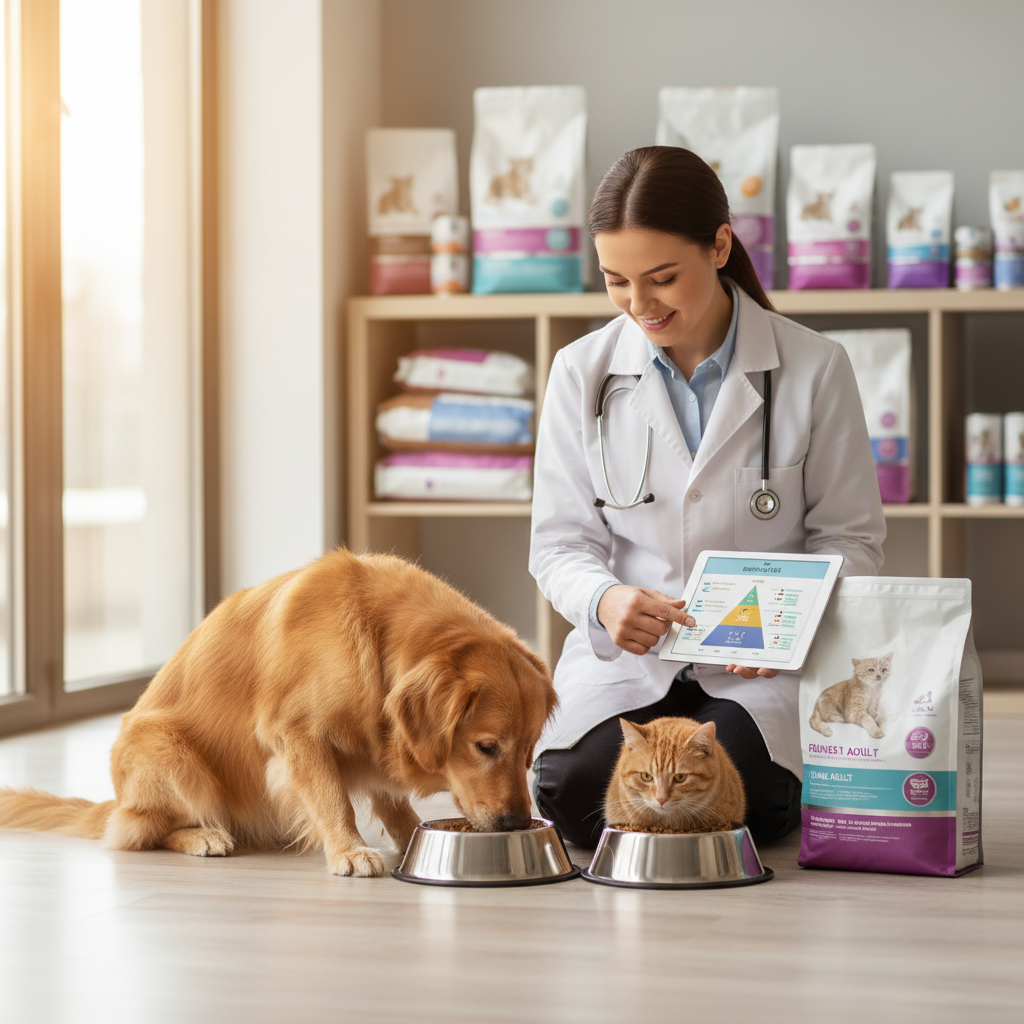
As dedicated guardians of animal welfare, Animal SoulSaver (جمعية حماية ارواح الحيوانات) understands that proper nutrition is the cornerstone of a long, healthy, and happy life for our beloved cats and dogs. The food we provide fuels every cell in their bodies, influencing their energy levels, coat health, immune system, and overall vitality. Navigating the world of pet nutrition can be complex, but armed with the right knowledge, you can make informed choices.
Commercial Pet Diets: A Convenient and Balanced Choice
For most pet owners, high-quality commercial pet foods offer a convenient and nutritionally complete solution. These diets are formulated by veterinary nutritionists to meet the specific needs of different life stages (puppy/kitten, adult, senior) and even specific health conditions. Reputable brands adhere to stringent nutritional standards, such as those set by AAFCO (Association of American Feed Control Officials) or FEDIAF (European Pet Food Industry Federation), ensuring a balanced intake of proteins, fats, carbohydrates, vitamins, and minerals. In Morocco, a wide array of both international and local brands of kibble and wet food are available in pet stores and supermarkets, making it accessible for most pet owners. Always choose a food appropriate for your pet's age, size, and activity level, and look for clear nutritional guarantees on the packaging.
Homemade Diets: Proceed with Caution
The appeal of homemade diets, offering control over ingredients and avoiding additives, is understandable. However, preparing a nutritionally complete and balanced homemade diet is incredibly challenging and often leads to deficiencies or excesses in critical nutrients. Numerous studies have shown that the vast majority of homemade pet diets, even those prepared by well-meaning owners, are nutritionally imbalanced. For instance, calcium-phosphorus ratios, crucial for bone health, are frequently incorrect. Cats, as obligate carnivores, have unique requirements like taurine, which is often lacking in improperly formulated homemade meals, potentially leading to serious heart problems.
If you are considering a homemade diet, it is absolutely essential to consult with a board-certified veterinary nutritionist. They can formulate a precise recipe tailored to your pet's individual needs, ensuring all nutritional requirements are met. Without expert guidance, you risk compromising your pet's long-term health. Feeding table scraps alone is never an acceptable diet for pets.
Toxic Foods: What to Avoid at All Costs
Many human foods are delicious for us but highly dangerous, even deadly, for our pets. It is crucial to be aware of these common culprits:
- Chocolate: Contains theobromine, toxic to both cats and dogs, affecting the heart and nervous system. Dark chocolate is particularly dangerous.
- Grapes and Raisins: Can cause acute kidney failure in dogs, even in small amounts. The exact toxic agent is unknown, but the risk is significant.
- Onions, Garlic, Leeks, Chives: Belonging to the Allium family, these can damage red blood cells, leading to anemia.
- Xylitol: A sugar substitute found in many sugar-free products (gum, candies, peanut butter), it causes a rapid and severe drop in blood sugar (hypoglycemia) and liver failure in dogs.
- Alcohol and Caffeine: Extremely toxic, even in small amounts.
- Avocado: Contains persin, which can cause vomiting and diarrhea in some dogs and cats.
- Macadamia Nuts: Can cause weakness, vomiting, tremors, and hyperthermia in dogs.
- Cooked Bones: Become brittle and can splinter, causing internal damage or obstruction. Raw bones can also pose risks.
- Raw Yeast Dough: Can expand in the stomach, causing bloating and producing alcohol.
If you suspect your pet has ingested any toxic substance, contact your veterinarian immediately. Early intervention is critical. Veterinary clinics are available in all major cities across Morocco, and emergency services can be life-saving.
Feeding Sick Animals: A Specialized Approach
When an animal is sick, loss of appetite is common, yet nutrition is vital for recovery. Encouraging a sick pet to eat requires patience and specific strategies. Always consult your veterinarian before making significant dietary changes for a sick animal, as their specific illness will dictate the best approach.
- Palatability: Offer highly palatable, strong-smelling foods. Warming wet food can enhance its aroma. Veterinary prescription diets specifically formulated for recovery or gastrointestinal issues are often recommended.
- Small, Frequent Meals: Instead of large meals, offer small portions several times a day to avoid overwhelming their digestive system.
- Hydration: Ensure constant access to fresh water. In Morocco's often warm climate, this is especially crucial. Your vet might recommend oral rehydration solutions or subcutaneous fluids if dehydration is a concern.
- Quiet Environment: Feed your pet in a calm, stress-free area. Hand-feeding can also encourage reluctant eaters.
- Appetite Stimulants: For persistent anorexia, your veterinarian might prescribe appetite stimulants like mirtazapine (available locally under various brand names) or recommend assisted feeding methods such as syringe feeding or, in severe cases, feeding tubes.
Remember, your veterinarian is your best resource for tailored advice, whether you're choosing a daily diet, dealing with a toxic ingestion, or nursing a sick pet back to health. Animal SoulSaver encourages all pet owners to prioritize informed nutritional choices for the well-being of their cherished companions.