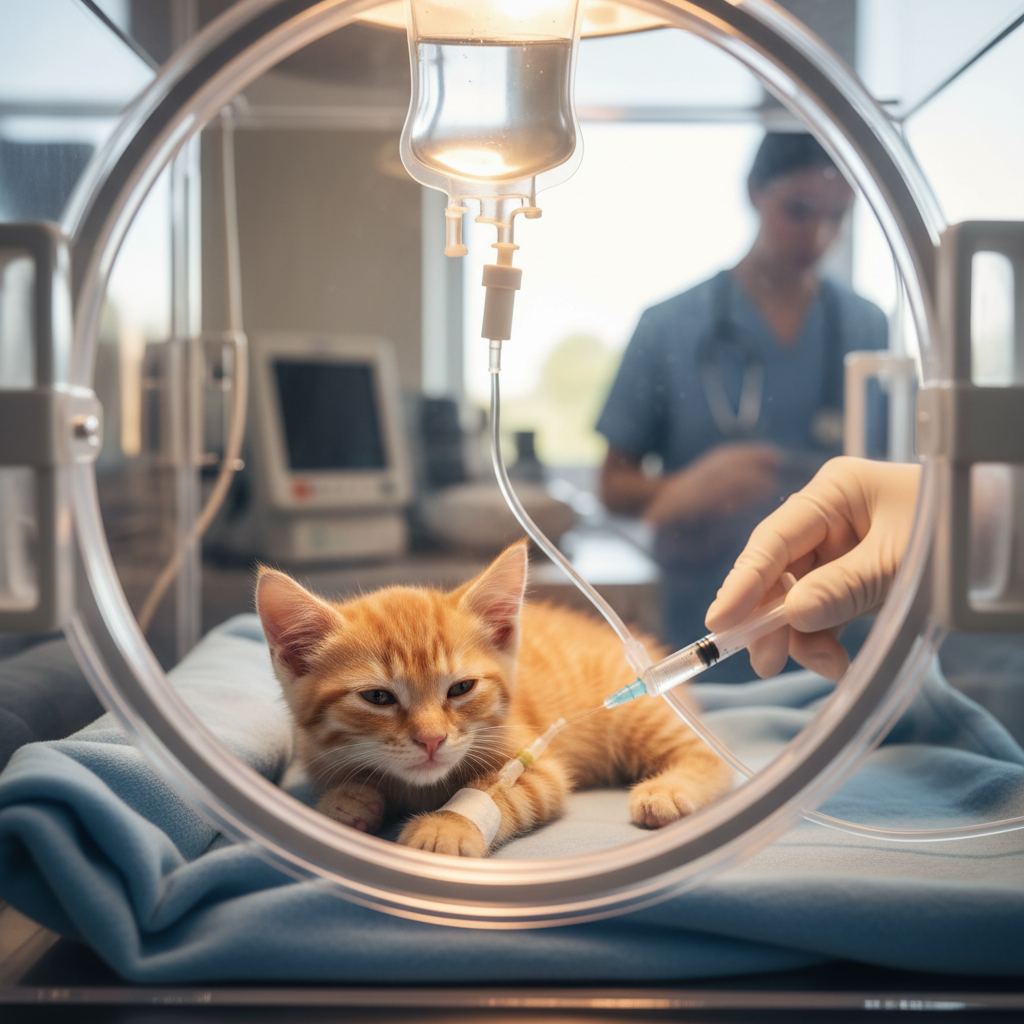
Feline Panleukopenia (FPV), commonly known as feline distemper, is a devastating viral disease that poses a significant threat to cat populations worldwide, including here in Morocco. Caused by a parvovirus, it targets rapidly dividing cells in the body, primarily in the gastrointestinal tract and bone marrow, leading to severe vomiting, diarrhea, dehydration, and a dangerously low white blood cell count (panleukopenia). Kittens and unvaccinated cats are most vulnerable, often succumbing rapidly without intensive veterinary care.
Understanding the Threat in Morocco
The prevalence of FPV in Morocco, particularly among stray and shelter cat populations, is a constant concern for Animal SoulSaver. The warm climate can sometimes exacerbate dehydration, making rapid intervention even more critical. Limited access to veterinary services in some rural areas and the cost of treatment can also be barriers, underscoring the need for accessible information and preventative strategies.
The Cornerstone: Aggressive Fluid Therapy
Dehydration is the primary killer in FPV, making aggressive fluid therapy the most crucial intervention. The severe vomiting and diarrhea characteristic of FPV lead to rapid fluid and electrolyte loss. Intravenous (IV) fluid administration is paramount to correct dehydration, replenish electrolytes (like potassium), and maintain circulatory function. Subcutaneous (SQ) fluids may be an option for very mild cases or during transport, but IV is preferred for severe dehydration. Current veterinary protocols emphasize careful monitoring of hydration status, urine output, and electrolyte levels to adjust fluid rates accordingly. In Morocco, commonly available IV fluids like Lactated Ringer's solution or 0.9% Saline are essential tools in this fight, though administering them requires trained veterinary personnel and careful aseptic technique to prevent secondary infections.
Combating Nausea and Vomiting: The Role of Anti-emetics
Persistent vomiting prevents oral hydration and nutrition, exacerbating dehydration and metabolic derangements. Anti-emetic medications are vital to break this cycle. Maropitant citrate (Cerenia®) is highly effective and widely used in veterinary medicine, typically available in Morocco. It helps reduce both nausea and vomiting, allowing for potential oral intake and improving comfort. Other options include ondansetron, often used in human medicine but applicable for veterinary use, and metoclopramide, which can also aid gut motility. Administering these drugs promptly and regularly, often via injection, is critical for stabilizing the patient and preparing them for nutritional support.
Nutritional Support and Antibiotics
Once vomiting is controlled, early nutritional support is crucial for gut healing and immune function. This can range from small, frequent meals of highly digestible, palatable food (if the cat is willing to eat) to syringe feeding or, in severe cases, placement of a feeding tube. Research indicates that early enteral nutrition improves outcomes. As FPV directly suppresses the immune system, secondary bacterial infections are a grave concern. Broad-spectrum antibiotics, such as amoxicillin-clavulanate or metronidazole, are routinely administered to prevent or treat these opportunistic infections, which can manifest as sepsis.
Intensive Care and Hygiene: Survival Tips for Kittens
Kittens are particularly fragile. Survival hinges on dedicated, round-the-clock supportive care:
- Isolation: FPV is highly contagious. Affected kittens must be strictly isolated to prevent spread to other cats. Strict hygiene, including disinfection with bleach solutions, is non-negotiable.
- Warmth: Hypothermia is common and dangerous in sick kittens. Provide a warm, comfortable environment with heat sources (e.g., heated pads on a low setting, warm water bottles wrapped in towels).
- Monitoring: Closely observe for changes in activity, appetite, vomiting, diarrhea, and hydration. Any deterioration requires immediate veterinary attention.
- Gentle Handling: Sick kittens are stressed. Handle them gently and minimally to reduce stress.
- Sanitation: Maintain impeccable hygiene for the kitten and its environment to prevent secondary infections and reinfection.
Prevention is Key
The most effective defense against FPV is vaccination. Animal SoulSaver strongly advocates for core vaccination protocols for all cats, especially kittens, starting at 6-8 weeks of age, with boosters as recommended by a veterinarian. For rescuers, strict quarantine of new arrivals and thorough disinfection of facilities are paramount. With prompt, aggressive veterinary care focused on fluid balance, anti-emetics, and preventing secondary infections, even severely affected kittens can recover, highlighting the importance of early intervention and dedicated nursing.