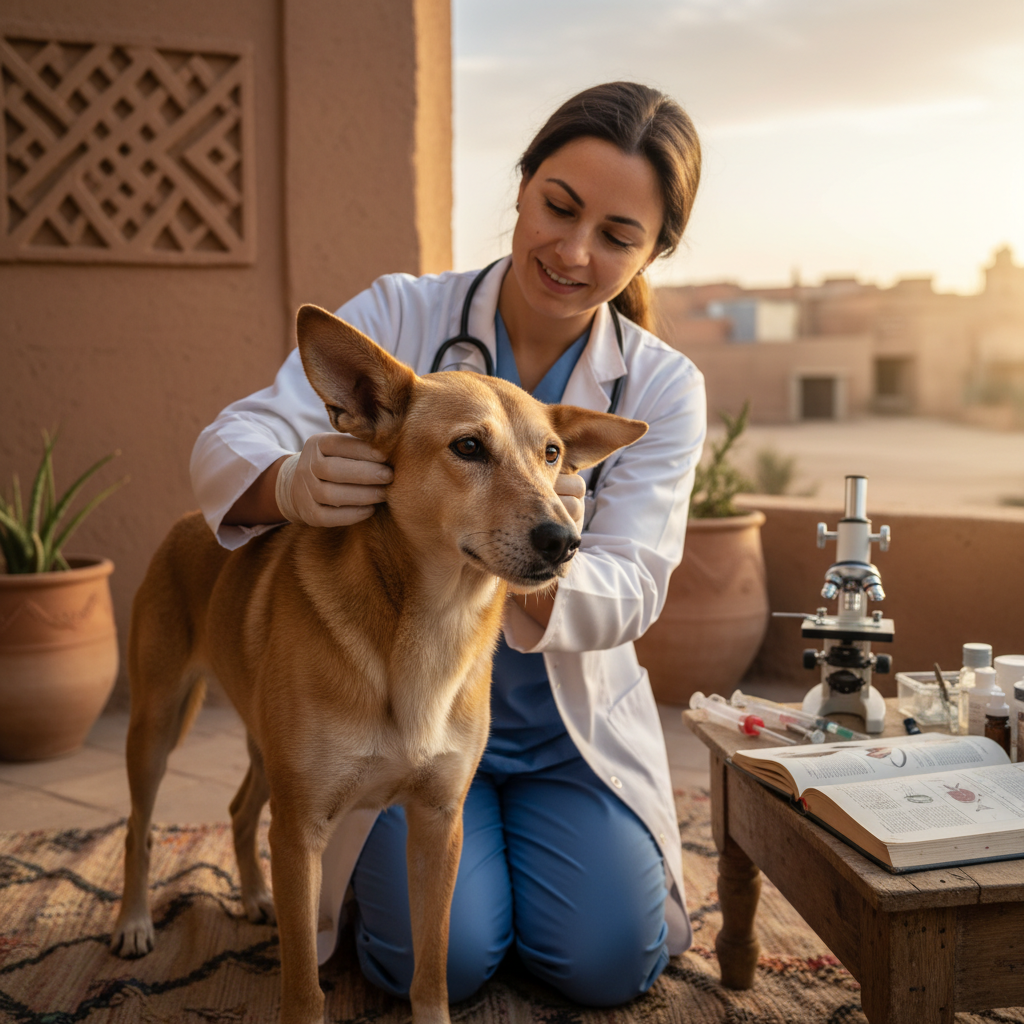
Leishmaniasis in Dogs in Morocco: A Comprehensive Guide for Animal SoulSaver
As devoted advocates for animal welfare, Animal SoulSaver (جمعية حماية ارواح الحيوانات) understands the critical importance of protecting our canine companions from serious diseases. Canine Leishmaniasis, caused by the parasite Leishmania infantum and transmitted by the bite of infected sandflies, is a significant health threat to dogs across Morocco. Endemic in many regions, especially during warmer months, this disease requires proactive prevention, accurate diagnosis, and consistent treatment. This guide aims to equip pet owners and rescuers with the knowledge to combat this challenging condition.
Understanding Canine Leishmaniasis
Leishmaniasis is a complex systemic disease that can affect multiple organs. Once an infected sandfly (Phlebotomus species, active from dusk till dawn, typically from spring to autumn in Morocco) bites a dog, the parasites multiply within the dog's macrophages. Clinical signs are diverse and can range from dermatological issues (skin lesions, hair loss, excessive nail growth) to more severe internal problems such as weight loss, lethargy, lameness, eye lesions, nosebleeds, and kidney failure. The incubation period can be long, from months to years, making early detection challenging. Given Morocco's climate and geographical location, understanding the local prevalence and transmission dynamics is crucial for effective management.
The Critical Role of Sandfly Prevention
Prevention is paramount in controlling Leishmaniasis. Since the disease is vector-borne, preventing sandfly bites is the most effective strategy.
Insecticidal collars containing deltamethrin or flumethrin are highly recommended. Products like Scalibor or Seresto collars are widely available in Morocco and offer several months of protection by repelling and killing sandflies. These should be applied before the sandfly season begins and maintained throughout.
Spot-on treatments containing permethrin can also be effective, though they often require more frequent application (e.g., monthly).
Environmental management includes keeping dogs indoors during peak sandfly activity hours (dusk till dawn), especially in endemic areas. Using fine mesh screens on windows and doors and even fans can help deter sandflies. While a vaccine for Leishmaniasis exists, it reduces the risk but does not offer 100% protection and should always be used in conjunction with rigorous vector control measures.
Accurate Diagnosis: The Key to Early Intervention
Early and accurate diagnosis is vital for effective treatment and better prognosis. Several diagnostic tests are available:
IFAT (Immunofluorescent Antibody Test): This serological test detects antibodies produced by the dog's immune system in response to the parasite. It is widely available in veterinary laboratories across Morocco and is a good screening tool. A positive IFAT titre indicates exposure, but not necessarily active disease, especially at low titres. However, a high titre often suggests active infection or recent exposure. False negatives can occur in very early stages of infection.
PCR (Polymerase Chain Reaction): PCR directly detects the DNA of the Leishmania parasite from various samples, such as bone marrow aspirates, lymph node aspirates, skin biopsies, or blood. PCR is highly specific and sensitive, making it an excellent tool for confirming active infection, especially in cases with ambiguous IFAT results or when clinical signs are present but IFAT is negative. While more specialized, PCR testing is available in certain veterinary diagnostic centers in Morocco.
Additional tests, such as complete blood count, biochemistry profiles (to assess kidney and liver function), and protein electrophoresis, are crucial for evaluating the dog's overall health and the extent of organ involvement, guiding treatment decisions.
Treatment Protocols: Glucantime and Allopurinol
The goal of Leishmaniasis treatment is to achieve clinical remission, reduce parasite load, and manage symptoms, as complete eradication of the parasite is rarely achieved. The standard treatment protocol in Morocco typically involves a combination of two main drugs:
Glucantime (Meglumine Antimoniate): This injectable drug is the cornerstone of Leishmaniasis treatment. It is administered daily via subcutaneous or intramuscular injection, usually for a period of 28 days. Glucantime works by directly killing the Leishmania parasites. It is important to monitor the dog closely during treatment for potential side effects, which can include pain at the injection site, gastrointestinal upset, and, less commonly, kidney or liver toxicity. Regular blood tests to monitor kidney function are essential during the treatment course. Glucantime is readily available through veterinary channels in Morocco.
Allopurinol: This oral medication is typically used as an adjunctive therapy to Glucantime and often continued long-term, sometimes lifelong. Allopurinol inhibits the replication of the parasite by interfering with its purine metabolism. It helps maintain clinical remission and reduce the risk of relapse. It is generally well-tolerated, though ensuring adequate water intake is important to prevent the rare formation of xanthine uroliths. Allopurinol is also widely available.
Treatment must be tailored to the individual dog, considering its clinical signs, test results, and overall health. Regular follow-up appointments, including blood tests, are crucial to monitor the dog's response to treatment and adjust medication as needed.
Living with Leishmaniasis: Long-term Management
Leishmaniasis is often a chronic condition requiring lifelong management. Even after initial treatment, dogs need continuous monitoring and often lifelong Allopurinol. Relapses can occur, especially if prevention measures are relaxed or if the dog's immune system is compromised. Pet owners and rescuers must remain diligent with sandfly prevention, regular veterinary check-ups (typically every 3-6 months), and supportive care, including a balanced diet. With dedicated care, dogs with Leishmaniasis can lead comfortable and fulfilling lives.
Animal SoulSaver urges all dog owners and rescuers in Morocco to be vigilant against Leishmaniasis. Proactive prevention, early diagnosis, and consistent, compassionate treatment are our best tools in protecting our beloved dogs from this challenging disease. Consult your local veterinarian immediately if you suspect your dog may be affected.