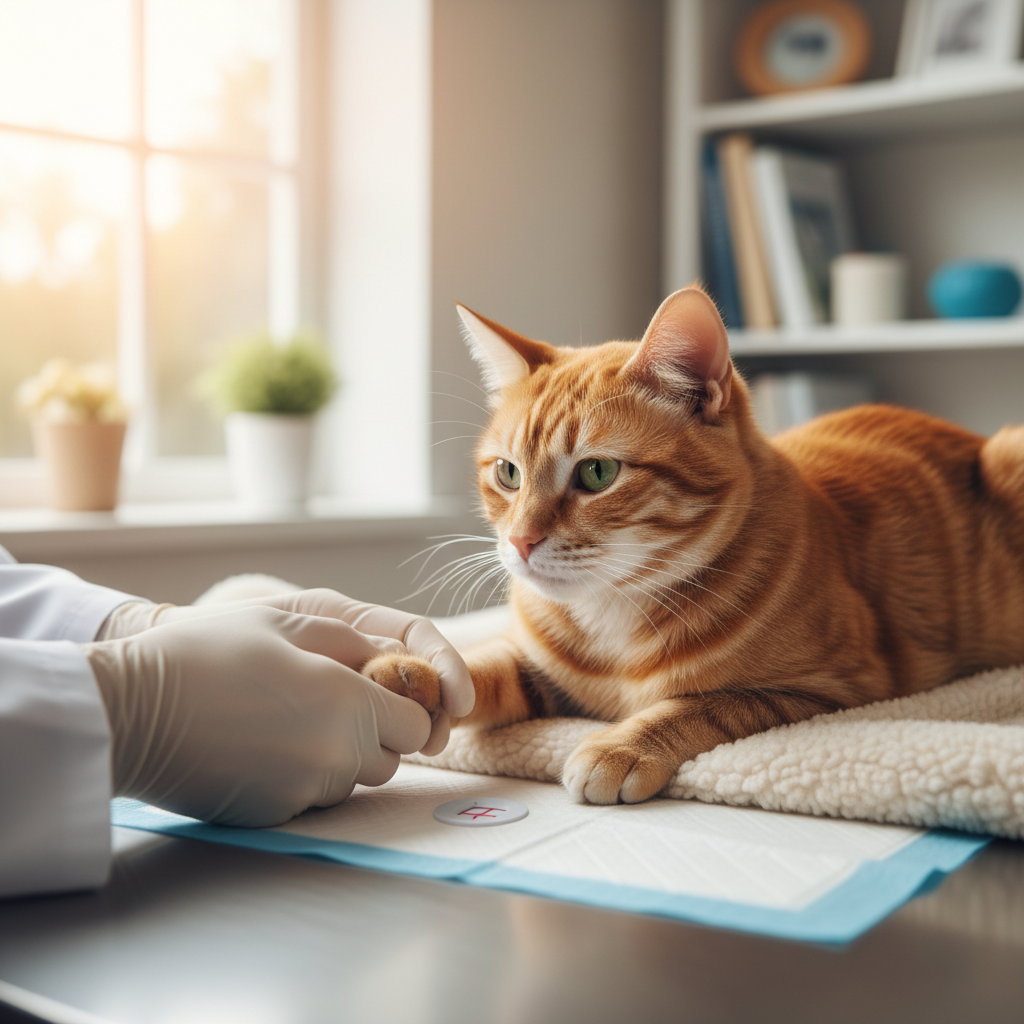
Understanding FIV: A Manageable Condition
Feline Immunodeficiency Virus (FIV) often carries a stigma, but current veterinary understanding shows it is far from a death sentence. FIV is a lentivirus that affects a cat's immune system, similar to HIV in humans, but it is species-specific and cannot be transmitted to humans or other animals. Many FIV+ cats can live for years, even into old age, without significant health issues, provided they receive appropriate care. Animal SoulSaver is dedicated to dispelling myths and promoting responsible, compassionate care for these resilient felines.
How FIV Spreads (and How It Doesn't)
The primary mode of FIV transmission is through deep bite wounds, typically occurring during aggressive fights between intact male cats. This means casual contact – sharing food bowls, litter boxes, or mutual grooming – rarely transmits the virus. This is a crucial point for multi-cat households: if your FIV+ cat is non-aggressive, they can often safely cohabitate with FIV- cats without risk of transmission. The virus is fragile and does not survive long outside the host.
Long-Term Management: Key Pillars for a Thriving FIV+ Cat
Managing an FIV+ cat focuses on preventative healthcare, early detection of illness, and immune system support.
Regular Veterinary Care
This is paramount. Current veterinary guidelines recommend twice-yearly check-ups for FIV+ cats, rather than annual visits. These frequent visits allow your veterinarian to catch subtle changes or early signs of secondary infections that an immunocompromised cat might be more susceptible to. In Morocco, ensure you have a trusted local vet who understands FIV management.
Nutrition and Environment
A high-quality, balanced diet is essential. Avoid feeding raw meat, eggs, or unpasteurized dairy, as these can carry bacteria or parasites that pose a higher risk to an FIV+ cat's compromised immune system. Keep your FIV+ cat strictly indoors to prevent exposure to pathogens from other animals and to avoid transmitting the virus through potential fights. A calm, predictable indoor environment also reduces stress, which can negatively impact immune function.
Parasite Control and Vaccinations
Strict flea, tick, and internal parasite control is vital. Immunocompromised cats are more vulnerable to the diseases these parasites carry. Regular deworming and year-round flea/tick prevention are critical. Discuss vaccination protocols with your vet. While core vaccines (FVRCP, Rabies) are generally recommended, the decision to vaccinate an FIV+ cat, especially with modified live vaccines, should be made on an individual basis, weighing the risks and benefits.
Monitoring for Secondary Infections
FIV+ cats are more prone to secondary infections, not directly from FIV itself, but because their immune system is less effective at fighting off common pathogens. Be vigilant for signs of illness such as: * Dental disease (common in FIV+ cats) * Chronic skin issues * Upper respiratory infections (sneezing, watery eyes) * Gastrointestinal problems (vomiting, diarrhea) * Weight loss or decreased appetite * Lethargy
Prompt veterinary attention for any of these signs is crucial.
Medications and Treatment in Morocco
While there isn't a cure for FIV, and specific antiviral medications (like Zidovudine/AZT or Feline Interferon-omega) are often costly, difficult to source, or not routinely used for asymptomatic FIV+ cats in Morocco, symptomatic treatment for secondary infections is readily available. Your local Moroccan vet can prescribe common antibiotics, anti-inflammatories, antifungals, and pain relief medications as needed. The focus is on managing opportunistic infections and maintaining comfort. Some vets might recommend immune boosters or supplements, but their efficacy should be discussed thoroughly.
Quality of Life and Living with FIV+ Cats
With dedicated care, FIV+ cats can enjoy excellent quality of life. They are often loving, playful companions. The key is to provide a stable, enriching environment, consistent veterinary care, and an abundance of love. Many FIV+ cats live long, healthy lives, passing away from age-related conditions unrelated to their FIV status.
Morocco-Specific Considerations for Rescuers
For rescuers in Morocco, understanding FIV is critical. Testing:* Test all new rescues, especially if they have a history of fighting or unknown origin. Segregation:* While non-aggressive FIV+ cats can often live with FIV- cats, it's safer to house aggressive FIV+ cats separately to prevent transmission through fighting. Climate:* Morocco's climate can be warm. Ensure FIV+ cats have constant access to fresh water and shaded, cool resting spots, especially during hot summers, to prevent heat stress which can further challenge their health. Advocacy:* Educate potential adopters about FIV, emphasizing that it's manageable and these cats deserve loving homes. Animal SoulSaver encourages fostering and adopting FIV+ cats, giving them a second chance at life.
Conclusion
An FIV diagnosis is not a life sentence. With informed and proactive care, FIV+ cats can thrive and live long, fulfilling lives. By providing regular veterinary attention, a safe indoor environment, proper nutrition, and boundless love, you can ensure your FIV+ companion enjoys the highest possible quality of life. Animal SoulSaver stands with you in advocating for and protecting these wonderful felines.