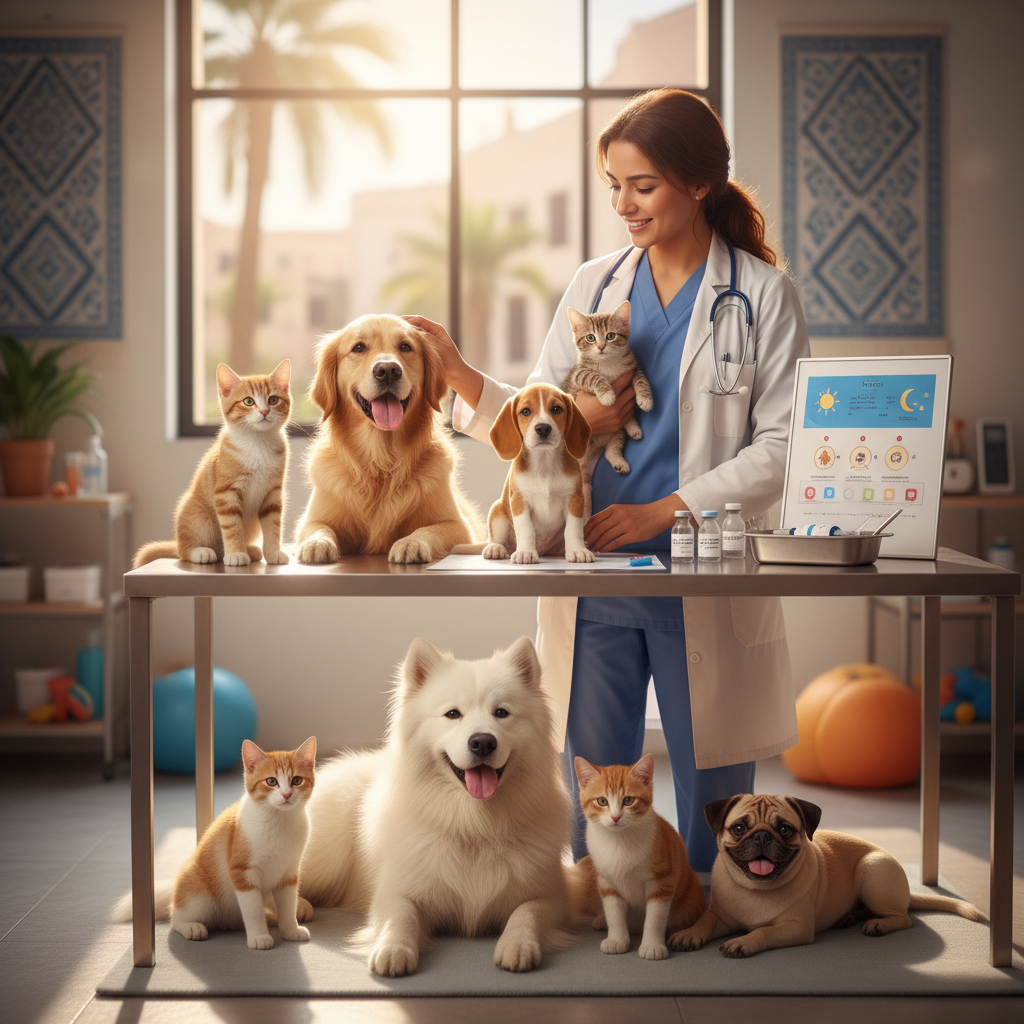
Protecting Our Companions: Vaccination Schedules for Cats and Dogs in Morocco
At Animal SoulSaver (جمعية حماية ارواح الحيوانات), we believe that every animal deserves a healthy, protected life. Vaccination is one of the most fundamental pillars of preventive healthcare for our feline and canine companions, safeguarding them from debilitating and often fatal diseases. In Morocco, where environmental factors, stray animal populations, and specific disease prevalences present unique challenges, understanding appropriate vaccination schedules is paramount.
Understanding Core vs. Non-Core Vaccines
Vaccines are broadly categorized into 'core' and 'non-core'. Core vaccines are considered essential for all animals, regardless of their lifestyle, due to the global distribution and severity of the diseases they prevent. Non-core vaccines are recommended based on an animal's individual risk factors, such as geographic location, lifestyle (indoor vs. outdoor), and potential exposure to specific pathogens. Your veterinarian will assess these factors to create a tailored vaccination plan.
Core Vaccines for Cats in Morocco
For cats, the core vaccines protect against Feline Panleukopenia (FPV), Feline Herpesvirus (FHV-1), and Feline Calicivirus (FCV). These are often combined into a single polyvalent vaccine (e.g., FVRCP). Rabies vaccination is also a mandatory core vaccine in Morocco due to its endemic nature and public health significance.
- Kitten Schedule: Generally, kittens receive an initial series starting at 6-8 weeks of age, followed by boosters every 3-4 weeks until 16 weeks of age. A rabies vaccine is typically given once at 12 weeks or older.
- Adult Cat Schedule: A booster for FVRCP and Rabies is given one year after the initial series. Subsequently, core vaccines are often administered every 1-3 years, depending on the vaccine type and veterinary recommendation, following WSAVA guidelines (2015).
Core Vaccines for Dogs in Morocco
For dogs, core vaccines protect against Canine Distemper Virus (CDV), Canine Adenovirus (CAV-1, CAV-2, which causes infectious hepatitis), and Canine Parvovirus (CPV-2). These are typically combined into a single polyvalent vaccine (e.g., DHPPi/DA2PP). Similar to cats, Rabies vaccination is legally required and essential in Morocco.
- Puppy Schedule: Puppies typically begin their core vaccine series at 6-8 weeks, with subsequent boosters every 3-4 weeks until 16 weeks of age. Rabies vaccination is administered once at 12 weeks or older.
- Adult Dog Schedule: A booster for core vaccines and Rabies is given one year after the initial series. Thereafter, core vaccines can often be given every 1-3 years, as per veterinary advice and WSAVA guidelines (2015).
Non-Core Vaccines: Tailored Protection in Morocco
For Cats:
- Feline Leukemia Virus (FeLV): Highly recommended for cats that go outdoors, live in multi-cat households, or have contact with cats of unknown health status. FeLV is prevalent in stray cat populations in Morocco, making this vaccine crucial for at-risk felines.
For Dogs:
- Leptospirosis: This is a crucial non-core vaccine in Morocco. Given the climate, irrigation systems, and interaction between domestic pets and stray animals or wildlife, Leptospirosis poses a significant threat. It is a zoonotic disease, transmissible to humans, making vaccination vital for dogs with outdoor access or those living near water sources. Annual boosters are essential.
- Kennel Cough (Bordetella bronchiseptica and Canine Parainfluenza Virus): Recommended for dogs that frequently interact with other dogs in boarding kennels, dog parks, training classes, or shelters. This vaccine helps prevent respiratory infections.
Boosters and Duration of Immunity
After the initial puppy/kitten series, a critical booster is administered one year later. For many core vaccines, subsequent boosters can often be given every three years, as research indicates a longer duration of immunity (DOI) than previously thought (WSAVA, 2015). However, non-core vaccines like Leptospirosis and Kennel Cough usually require annual boosters to maintain effective protection. Always follow your veterinarian's specific recommendations.
Common Vaccination Mistakes to Avoid
1. Skipping Boosters: The initial series and subsequent boosters are critical for building robust, long-lasting immunity. Skipping them leaves your pet vulnerable. 2. Delaying Vaccinations: Young animals are highly susceptible to diseases. Timely vaccination is crucial. 3. Vaccinating Sick Animals: Pets must be healthy for vaccines to be effective and safe. A thorough veterinary examination before vaccination is essential. 4. Assuming Indoor Pets Are Safe: Even indoor cats and dogs can be exposed to pathogens carried into the home on clothing or shoes, or through escaped contact. Rabies is also a legal requirement regardless of lifestyle. 5. Not Keeping Records: Always keep your pet's vaccination records updated. This is vital for travel, boarding, and demonstrating compliance with local regulations. 6. Self-Diagnosis/Treatment: Never attempt to vaccinate your pet yourself or rely on outdated information. Always consult a qualified Moroccan veterinarian.
Morocco-Specific Considerations
Morocco faces unique challenges regarding animal health. The prevalence of stray animals means a higher risk of exposure to diseases like Rabies and FeLV. Climate can also influence disease spread; for example, Leptospirosis risk is higher in areas with standing water or irrigation. Ensure your veterinarian is aware of your pet's lifestyle and local environmental factors to provide the most appropriate advice. Vaccines commonly available in Morocco include polyvalent options covering the core diseases, as well as specific vaccines for Rabies, FeLV, and Leptospirosis.
By adhering to proper vaccination protocols and consulting regularly with your local veterinarian, you provide your beloved cat or dog with the best possible defense against preventable diseases. Animal SoulSaver encourages all pet owners and rescuers to prioritize vaccination as a cornerstone of responsible pet ownership.