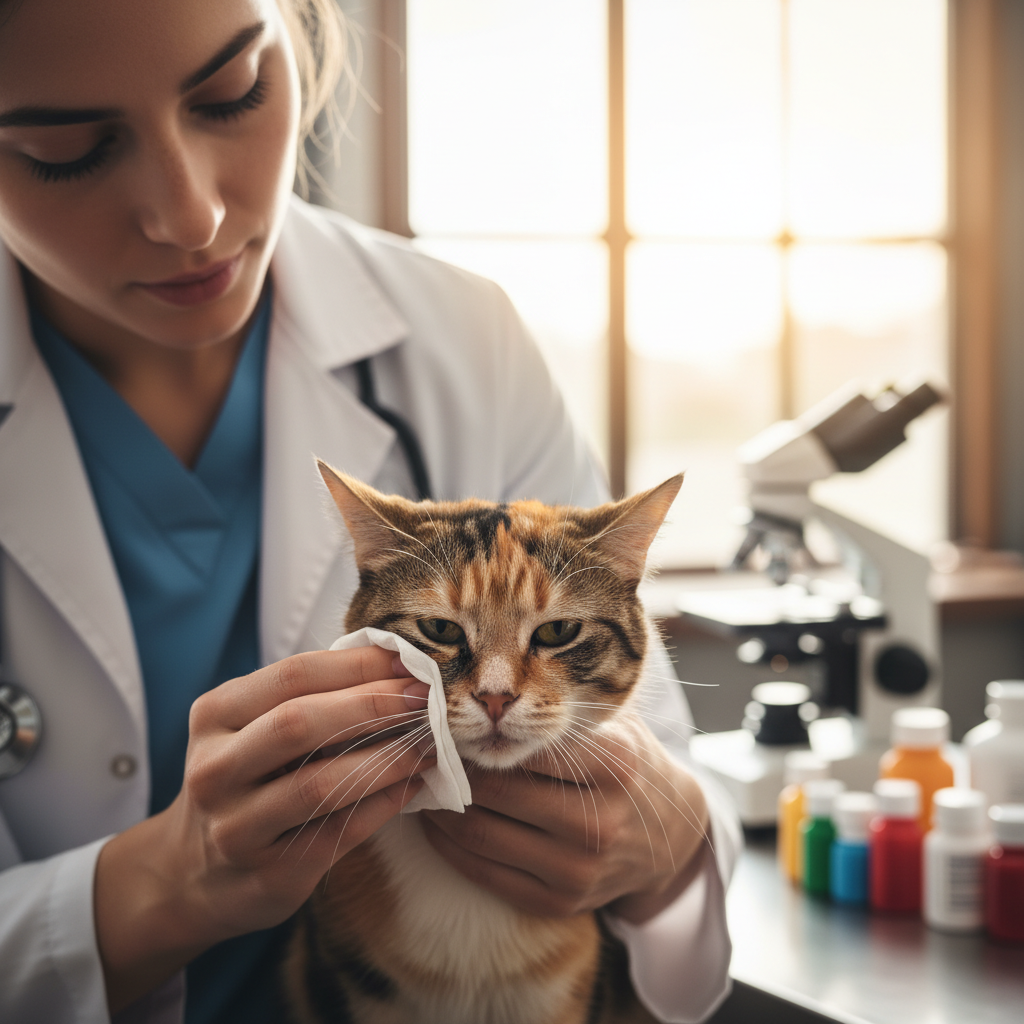
As Animal SoulSaver (جمعية حماية ارواح الحيوانات) works tirelessly to protect and care for animals across Morocco, we frequently encounter the challenges posed by Feline Calicivirus (FCV) and the broader Coryza Complex. These highly contagious respiratory diseases are common, especially in multi-cat environments like shelters and among stray populations, causing significant discomfort and sometimes severe illness in our feline friends. Understanding these conditions, their treatment, and prevention is crucial for every pet owner and rescuer.
Understanding Feline Coryza Complex
Feline Coryza Complex, often referred to as 'cat flu', is primarily caused by two viruses: Feline Herpesvirus-1 (FHV-1) and Feline Calicivirus (FCV). While both lead to similar upper respiratory symptoms, FCV is unique for often causing oral ulcers (sores in the mouth and on the tongue) and sometimes lameness. FHV-1, on the other hand, is more associated with severe conjunctivitis and corneal ulcers. Secondary bacterial infections are very common and often complicate the viral disease, leading to more severe symptoms.
Symptoms typically include sneezing, nasal discharge (clear initially, becoming thick and purulent with bacterial involvement), ocular discharge (watery eyes, conjunctivitis), lethargy, fever, and anorexia due to loss of smell and discomfort from oral ulcers. Transmission occurs through direct contact with infected cats' secretions (sneeze droplets, ocular discharge) or indirectly via contaminated objects (food bowls, bedding, hands).
Treatment Protocols: A Multi-faceted Approach
Treating Feline Coryza Complex requires a comprehensive strategy focusing on supportive care, managing symptoms, and addressing secondary bacterial infections. Recent veterinary guidelines emphasize early and aggressive intervention.
Supportive care is paramount. Cats with coryza often lose their appetite due to nasal congestion and oral pain. Offering highly palatable, warmed, strong-smelling food is essential. Syringe feeding may be necessary for anorexic cats to prevent hepatic lipidosis. Hydration is critical; subcutaneous or intravenous fluids may be needed in severely dehydrated cats. Keeping the cat's face clean, wiping away nasal and ocular discharges, and using humidifiers or nebulization with saline can help clear airways.
Antiviral medications can be used, particularly for FHV-1. Topical antiviral eye drops (e.g., trifluridine, cidofovir) are effective for ocular herpesvirus infections. Oral famciclovir is increasingly used systemically for severe FHV-1 cases. For FCV, there are no specific antiviral drugs, so treatment focuses on supportive care.
Antibiotics Available in Morocco (and considerations)
Antibiotics are vital for treating or preventing secondary bacterial infections, which are almost always present in severe coryza cases. It's crucial to remember that antibiotics do NOT kill the viruses themselves, but they prevent life-threatening bacterial pneumonia or sinusitis. Always use antibiotics under veterinary guidance and complete the full course.
In Morocco, several effective antibiotics are readily available at veterinary clinics and pharmacies:
- Doxycycline: Often a first-line choice, particularly effective against common secondary bacterial invaders like Mycoplasma and Chlamydophila, which contribute to respiratory signs. Available in oral tablet and suspension forms.
- Amoxicillin-Clavulanic Acid: A broad-spectrum antibiotic effective against a wide range of bacteria, often used for bacterial sinusitis and other respiratory infections. Available as oral tablets/suspension and injectables.
- Azithromycin: Known for good tissue penetration and anti-inflammatory properties, it's another valuable option for respiratory infections. Available in oral tablet and suspension forms.
- Fluoroquinolones (e.g., Marbofloxacin, Enrofloxacin): These are potent antibiotics, generally reserved for more severe, unresponsive cases or when bacterial culture and sensitivity testing indicate their use, due to concerns about antibiotic resistance. Available as oral tablets and injectables.
Your veterinarian will choose the most appropriate antibiotic based on the cat's condition, severity, and local resistance patterns. Self-medication is strongly discouraged due to the risk of incorrect dosage, ineffective treatment, and contributing to antibiotic resistance.
Prevention: The Best Defense
Prevention is always better than cure, especially with highly contagious diseases like Feline Coryza Complex. Given Morocco's climate and the prevalence of stray cats, robust prevention strategies are essential.
Vaccination is the cornerstone of prevention. The core FVRCP vaccine (Feline Viral Rhinotracheitis, Calicivirus, Panleukopenia) protects against FHV-1 and FCV. All cats, especially kittens, should receive their initial vaccine series and regular boosters as recommended by a veterinarian. While vaccination may not completely prevent infection, it significantly reduces the severity of symptoms and shedding.
Biosecurity measures are equally critical, especially in multi-cat households or rescue environments:
- Isolation: Immediately isolate sick cats to prevent transmission to healthy individuals.
- Hygiene: Wash hands thoroughly between handling different cats. Disinfect food bowls, litter trays, and surfaces regularly with effective disinfectants (e.g., diluted bleach solution is effective against FCV).
- Quarantine: New cats entering a household or rescue facility should be quarantined for at least two weeks to monitor for signs of illness.
- Stress Reduction: Stress can suppress the immune system, making cats more susceptible to illness. Provide a calm, stable environment with adequate resources.
- Environmental Management: Ensure good ventilation and maintain cleanliness in living areas. A balanced, nutritious diet supports a strong immune system.
By understanding Feline Calicivirus and Coryza Complex, implementing proactive treatment strategies, and prioritizing prevention, we can significantly improve the health and well-being of our cherished feline companions across Morocco. Always consult a veterinarian for diagnosis and a tailored treatment plan.