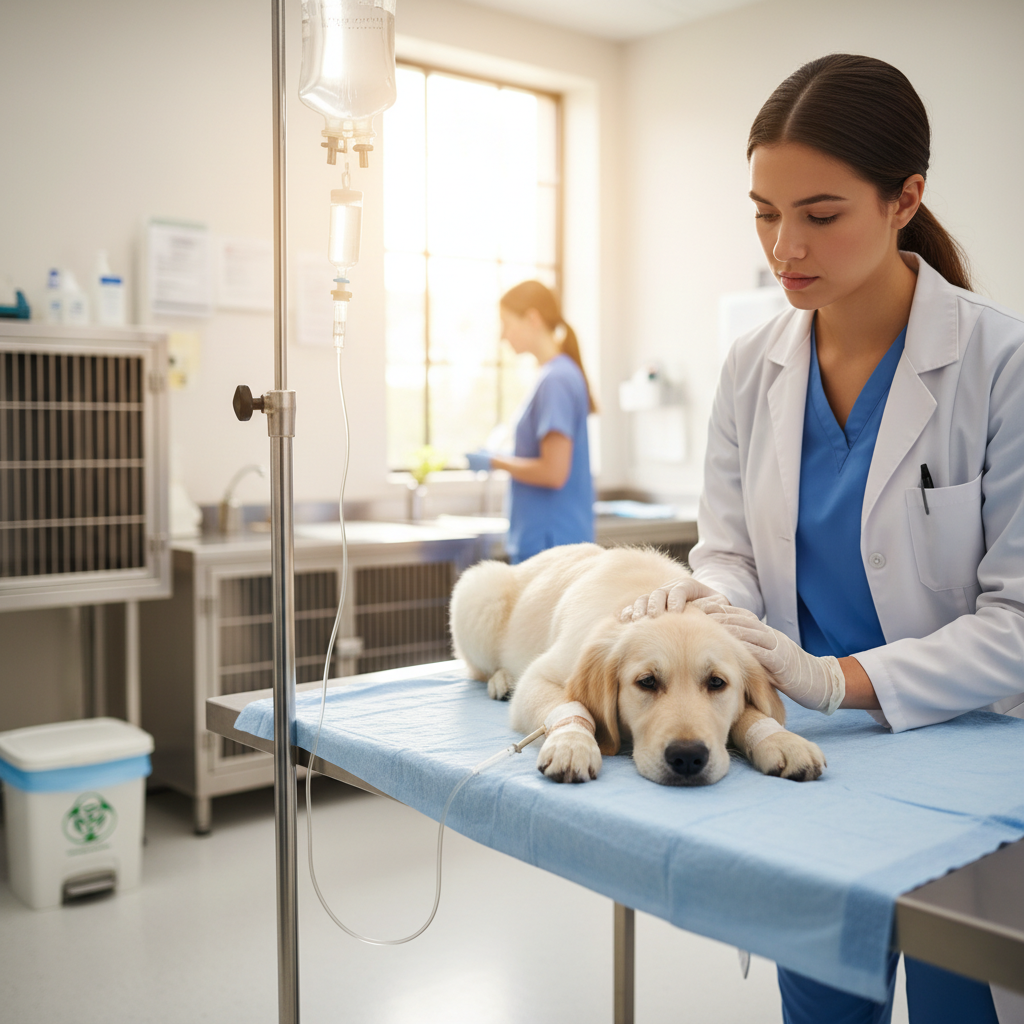
As Animal SoulSaver (جمعية حماية ارواح الحيوانات), we are dedicated to protecting the lives and well-being of animals across Morocco. One of the most severe threats facing puppies and young dogs is Canine Parvovirus (CPV), a highly contagious and often deadly viral disease. Understanding CPV is crucial for every pet owner and rescuer.
Early Symptoms of Canine Parvovirus
Recognizing the early signs of CPV is paramount for a positive outcome. The virus primarily attacks the rapidly dividing cells in a dog's body, especially those in the gastrointestinal tract and bone marrow. Symptoms typically appear 3-10 days after exposure and can progress rapidly. Key indicators include: Severe Lethargy:* A sudden, profound lack of energy and unwillingness to move. Loss of Appetite (Anorexia):* Refusal to eat or drink. Profuse Vomiting:* Repeated, often forceful vomiting, which can be clear, foamy, or bile-stained. Severe, Bloody Diarrhea:* This is the most characteristic symptom, often with a distinctive, foul odor. The diarrhea leads to rapid dehydration and electrolyte imbalance. Weakness and Collapse:* Due to fluid loss and systemic illness.
If you observe any of these symptoms, especially in an unvaccinated puppy, immediate veterinary attention is not just recommended, it is life-saving. In Morocco's warm climate, dehydration can become critical even faster.
Survival Rates with Treatment
Without treatment, CPV has an alarmingly high mortality rate, often exceeding 80-90% in puppies. However, with prompt, aggressive veterinary care, survival rates can dramatically improve to 70-90%. Early diagnosis and intervention are the cornerstones of successful treatment. Treatment primarily focuses on supportive care to combat dehydration, control vomiting and diarrhea, and prevent secondary bacterial infections: Intravenous (IV) Fluids:* Essential to correct dehydration and electrolyte imbalances. This is non-negotiable. Antiemetics:* Medications to stop vomiting, such as maropitant (commonly known by the brand name Cerenia, which is available in Morocco), are crucial for preventing further fluid loss and allowing the puppy to potentially absorb nutrients. Antibiotics:* While CPV is a virus, antibiotics (like metronidazole or amoxicillin-clavulanate, both widely available in Morocco) are vital to prevent opportunistic bacterial infections from invading the damaged intestinal lining. Pain Management:* To ensure comfort for the puppy. Nutritional Support:* Once vomiting is controlled, small, frequent meals of easily digestible food are introduced.
Access to such intensive care can be costly, highlighting the importance of organizations like Animal SoulSaver in supporting rescue efforts and providing care for vulnerable animals.
The Indispensable Role of Vaccination
Vaccination is, without a doubt, the most effective way to prevent Canine Parvovirus. A proper vaccination protocol is critical: Puppy Series:* Puppies typically receive their first CPV vaccine at 6-8 weeks of age, followed by boosters every 3-4 weeks until they are 16 weeks old. This schedule is crucial because maternal antibodies, passed from the mother, can interfere with the vaccine's effectiveness, creating a 'window of susceptibility'. Adult Boosters:* Adult dogs require regular booster shots, typically annually or triennially, depending on the vaccine type and veterinary recommendation.
Even dogs kept strictly indoors should be vaccinated, as the virus is incredibly resilient in the environment and can be carried on shoes, clothing, or other objects. We urge all pet owners in Morocco to consult a reputable local veterinarian to ensure their dogs are on a comprehensive vaccination schedule.
Home Care for Recovering Puppies (Under Veterinary Guidance)
It is crucial to understand that home care for CPV is ONLY appropriate for puppies that have received initial intensive veterinary treatment and are now in a recovery phase, and ONLY under strict guidance from your veterinarian. Acute CPV requires professional medical intervention.
Once your vet determines the puppy is stable enough for home care: Hydration:* Continue offering small, frequent sips of water. Your vet might recommend specific electrolyte solutions. Monitor closely for any signs of dehydration. Nutrition:* Start with a bland, easily digestible diet (e.g., boiled chicken and white rice, or a veterinary-prescribed recovery diet) in very small, frequent portions. Gradually increase the amount and transition back to their regular food as tolerated. Hygiene and Isolation:* CPV is highly contagious and environmentally resistant. Isolate the recovering puppy from other dogs. Thoroughly disinfect all contaminated areas with a bleach solution (1 part bleach to 30 parts water). This is paramount to prevent further spread. Given the varied living conditions in Morocco, maintaining strict hygiene can be challenging but is absolutely necessary. Comfort:* Provide a warm, quiet, and stress-free environment. Ensure soft bedding that can be easily cleaned or discarded. Monitoring:* Continuously monitor for any return of symptoms (vomiting, diarrhea, lethargy) and report them immediately to your vet.
Prevention and Community Action
Prevention is always better than cure. Beyond vaccination, practicing good hygiene, avoiding high-traffic dog areas (like dog parks or pet shops) with unvaccinated puppies, and immediate isolation of any sick animal are vital. Animal SoulSaver is committed to educating the public, facilitating vaccination campaigns where possible, and supporting the rescue and treatment of animals affected by CPV. Your support helps us continue this vital work.
Canine Parvovirus is a formidable adversary, but with awareness, prompt veterinary care, and diligent vaccination, we can significantly reduce its devastating impact on our beloved canine companions in Morocco. Be vigilant, vaccinate, and act quickly.