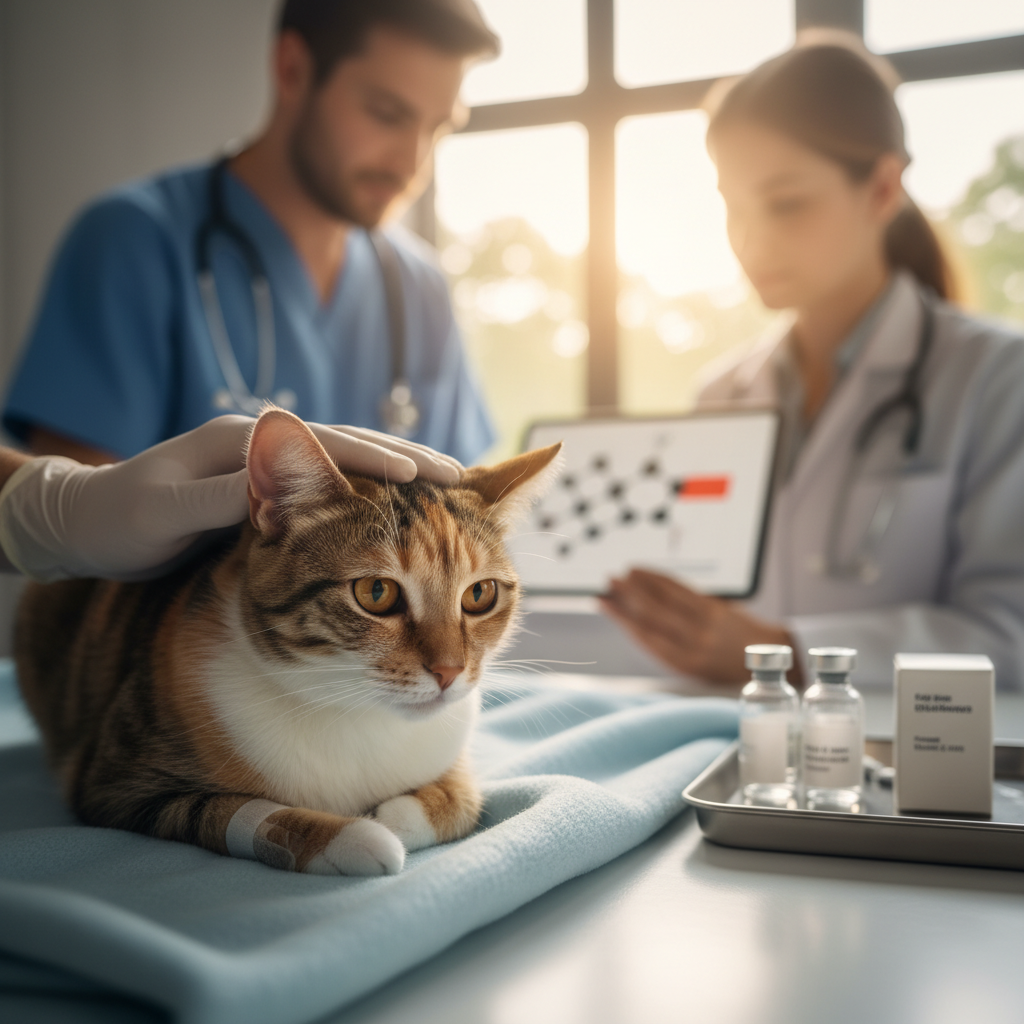
FIP No Longer a Death Sentence: Understanding Latest Antiviral Treatments and Hope for Moroccan Cats
For decades, the diagnosis of Feline Infectious Peritonitis (FIP) was a devastating pronouncement, signaling an almost certain death sentence for beloved feline companions. Caused by a mutation of the common Feline Coronavirus (FCoV), FIP manifests in various forms, often leading to severe inflammation, organ damage, and ultimately, fatality. However, thanks to groundbreaking veterinary research, this grim reality has dramatically changed. We now stand at the cusp of a new era where FIP is treatable, and survival rates have soared, offering immense hope to pet owners and rescuers, even here in Morocco.
Understanding FIP: A Shifting Paradigm
FIP occurs when the relatively benign Feline Coronavirus (FCoV), prevalent in many cat populations, mutates within an individual cat. This mutation allows the virus to replicate in macrophages, leading to systemic inflammation. FIP typically presents in two forms: the effusive (wet) form, characterized by fluid accumulation in the abdomen or chest, and the non-effusive (dry) form, which causes granulomas (inflammatory lesions) in various organs, including the brain, eyes, kidneys, and liver. Symptoms can be vague, ranging from persistent fever, lethargy, and loss of appetite to more specific signs like abdominal distension (wet FIP) or neurological issues and ocular changes (dry FIP). The unpredictable nature of the disease and its varied presentation made it historically challenging to diagnose and impossible to treat effectively.
The Breakthrough: Antiviral Treatments and GS-441524 Research
The most significant breakthrough in FIP treatment came with the discovery of nucleoside analogues, notably GS-441524. Developed by Dr. Niels Pedersen and his team at UC Davis, this compound works by interfering with the FIP virus's ability to replicate, essentially halting its progression. Clinical trials and real-world application have demonstrated astounding success rates, often exceeding 80-90%, especially when treatment is initiated early. GS-441524 and its prodrug, Remdesivir, belong to a class of antivirals that have revolutionized the prognosis for FIP-diagnosed cats.
While GS-441524 is officially approved for veterinary use in some countries (e.g., UK, Australia, Canada, US for some brands), it faces regulatory hurdles in others, including Morocco. This means that access to this life-saving medication often relies on unofficial importation or compassionate use programs. Pet owners and rescuers in Morocco frequently navigate a complex landscape to obtain these treatments, working closely with their veterinarians to explore all possible avenues.
Accurate Diagnosis: The Key to Early Intervention
Accurate and timely diagnosis is paramount for successful FIP treatment. Unfortunately, there is no single, definitive test for FIP. Veterinarians typically employ a multimodal approach:
- Clinical Signs: A thorough physical examination and history are crucial, noting symptoms like persistent fever, weight loss, lethargy, and specific signs related to wet or dry FIP.
- Blood Tests: Blood work often reveals high globulin levels, a low albumin-to-globulin ratio (A:G ratio < 0.8 is highly suggestive), anemia, and lymphopenia.
- Fluid Analysis: For wet FIP, aspiration of abdominal or pleural fluid for a Rivalta test (positive indicates high protein, suggestive of FIP) and biochemical analysis (high protein, low cellularity) is highly diagnostic.
- Imaging: Ultrasound can identify fluid accumulation, organ enlargement, or lesions.
- PCR Tests: While PCR tests for FCoV in blood or fluid can indicate viral presence, they do not definitively diagnose FIP itself, as many healthy cats carry FCoV. However, a positive PCR from effusions or tissues can be supportive.
- Biopsy and Immunohistochemistry: This remains the gold standard but is invasive and often impractical for a rapidly progressing disease. Modern diagnostics increasingly rely on a strong suspicion from clinical signs and blood/fluid analysis, coupled with the dramatic response to antiviral treatment as a therapeutic diagnosis.
Survival Rates and Prognosis
Prior to the advent of GS-441524, FIP carried a near 0% survival rate. Today, with appropriate and timely treatment, survival rates are excellent, often reaching 80-90% or higher. Factors influencing prognosis include the stage of the disease at diagnosis, the form of FIP (neurological or ocular FIP can be more challenging but still treatable), and consistent adherence to the treatment protocol, which typically lasts for 84 days. Relapses, though uncommon, can occur, but are usually responsive to re-treatment.
FIP in Morocco: Navigating Treatment Challenges
In Morocco, the availability of GS-441524 and similar antivirals presents unique challenges. As these medications are not officially registered for veterinary use by the Moroccan authorities, they cannot be legally imported or sold through conventional veterinary channels. This often means that pet owners and rescuers must source the medication through international networks or rely on compounded versions, which can be expensive and require careful verification of legitimacy and quality. The cost of treatment, which can run into thousands of dirhams, is a significant barrier for many. Animal SoulSaver (جمعية حماية ارواح الحيوانات) recognizes these challenges and advocates for greater accessibility and awareness, working to support owners in navigating these difficult circumstances. Climate considerations and high-density cat populations in Moroccan cities might also contribute to FCoV prevalence, making FIP a persistent concern.
Practical Advice for Pet Owners and Rescuers
1. Act Quickly: If you suspect FIP, consult your veterinarian immediately. Early diagnosis and intervention are critical. 2. Seek Expert Veterinary Advice: Work with a vet experienced in FIP diagnosis and treatment protocols. They can guide you through the diagnostic process and discuss treatment options. 3. Be Prepared for the Commitment: Treatment typically lasts 84 days and involves daily injections or oral medication, along with regular veterinary check-ups and blood tests. It requires significant financial and time commitment. 4. Supportive Care: Ensure your cat receives excellent supportive care, including nutrition, hydration, and comfort, throughout the treatment period. 5. Prevention: While there's no effective FIP vaccine, minimizing stress and maintaining good hygiene in multi-cat environments can help reduce FCoV shedding and the risk of mutation.
The journey with FIP can be daunting, but with the latest antiviral treatments, it is no longer a journey without hope. Animal SoulSaver stands with you, advocating for every cat's right to life and health.