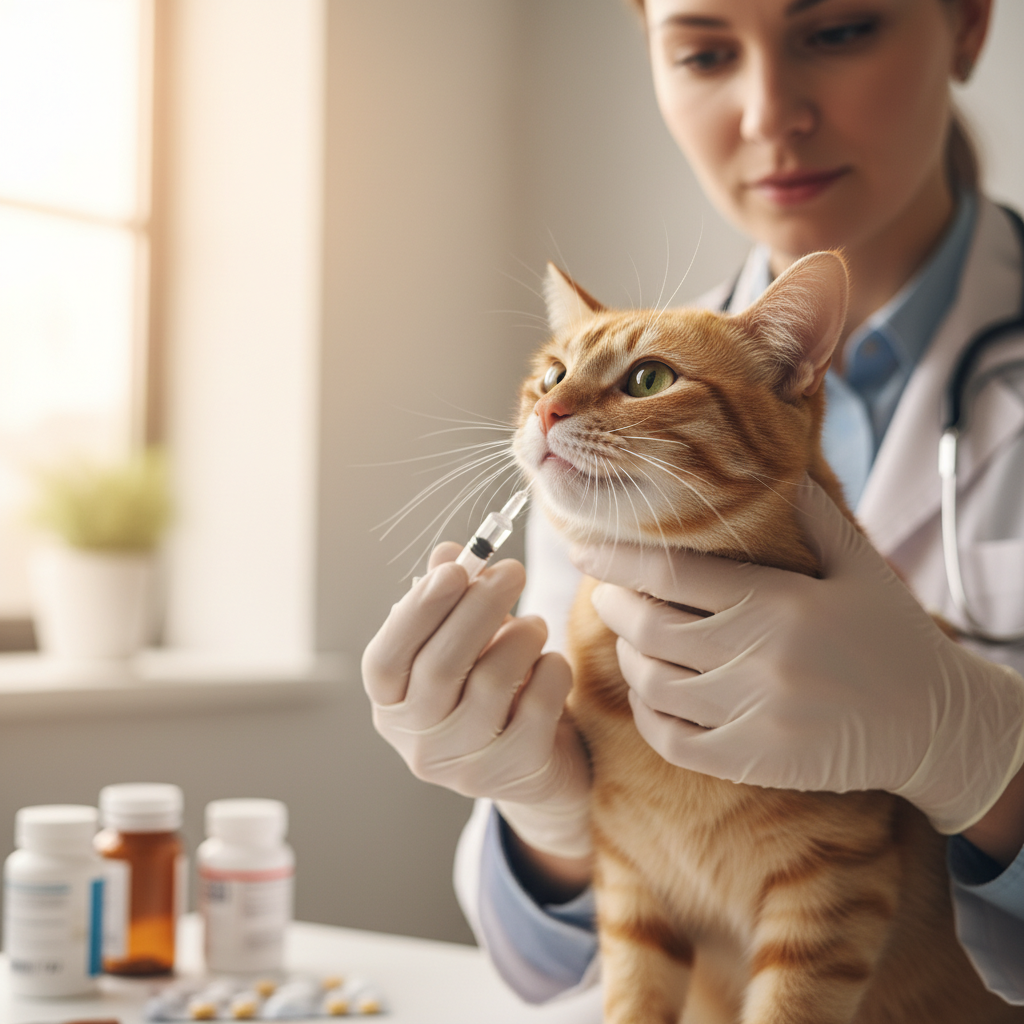
The Peril and Precision: Safely Administering Human Medications to Cats
At Animal SoulSaver (جمعية حماية ارواح الحيوانات), we understand that in urgent situations, especially where immediate veterinary care might be challenging to access – a reality for many in Morocco – the thought of using human medications for a sick cat can arise. While our paramount advice is always to consult a veterinarian first, this article aims to provide critical, evidence-based information for those rare, dire circumstances, emphasizing the immense risks and necessary precautions.
Understanding Feline Physiology: Why Cats Are Not Small Humans
Cats possess a unique metabolism that makes them exceptionally sensitive to many drugs safe for humans or even dogs. Their liver lacks specific enzymes, particularly those involved in glucuronidation, a crucial detoxification pathway. This means many compounds that humans process and excrete quickly can accumulate to toxic levels in cats, leading to severe organ damage or death. This fundamental difference underscores why human drug administration to cats is inherently risky.
The Golden Rule: Always Consult Your Veterinarian
Before considering any human medication for your cat, always contact a veterinarian. Many Moroccan vets offer teleconsultations or can guide you in an emergency. They can provide specific dosages, confirm contraindications, or advise if the medication is truly necessary. Never guess or rely on anecdotal advice from non-professionals. Your vet's expertise is irreplaceable.
Dosage Calculations: A Matter of Life and Death
If, and only if, a veterinarian instructs you to administer a human medication, precise dosage calculation is critical. Never use a human dose, even a fraction of it. Medications are typically dosed in milligrams per kilogram (mg/kg) of body weight. You must know your cat's accurate weight in kilograms. For instance, a 4kg cat needs a much smaller dose than a 60kg human.
Often, the required feline dose is so minute that dilution is necessary to ensure accuracy. For example, a 100mg tablet might need to be dissolved in a specific volume of water, and only a tiny fraction of that solution administered. Always avoid extended-release, enteric-coated, or combination medications, as these are impossible to dose accurately and can be highly dangerous.
Human Medications That *Might* Be Used (Under Strict Veterinary Guidance)
In rare emergencies, and only with direct veterinary instruction, some human medications might be considered. These are generally available in Moroccan pharmacies:
- Diphenhydramine (e.g., Benadryl): An antihistamine sometimes used for severe allergic reactions or motion sickness. It can cause significant sedation. The dose is extremely low (e.g., 0.5-2 mg/kg, typically not exceeding 12.5mg per cat), and precise calculation is vital. Always ensure it's the single-ingredient formulation without decongestants.
- Lactulose: A gentle osmotic laxative for constipation. It is relatively safe but requires a veterinarian to determine the correct dosage (e.g., 0.5-1 ml/kg orally every 8-12 hours) to avoid diarrhea and dehydration.
- Ondansetron (e.g., Zofran): An anti-emetic for severe nausea and vomiting. While ideally prescribed, a vet might advise its use in critical situations. Dosing is highly specific (e.g., 0.1-0.2 mg/kg orally every 8-12 hours).
Medications to AVOID at ALL Costs – Highly Toxic to Cats
These medications are commonly found in Moroccan households and pharmacies but are EXTREMELY dangerous and often fatal to cats:
- Paracetamol (Acetaminophen, e.g., Doliprane, Efferalgan): This is perhaps the most toxic and commonly misused human drug for cats. Even a small dose can cause irreversible liver damage and red blood cell destruction (methemoglobinemia), leading to difficulty breathing, facial swelling, and death. NEVER give paracetamol to a cat.
- NSAIDs (Non-Steroidal Anti-Inflammatory Drugs, e.g., Ibuprofen, Naproxen, Diclofenac): These drugs, including those in common pain relievers like Advil or Voltaren, cause severe kidney failure, stomach ulcers, and gastrointestinal bleeding in cats.
- Aspirin: While sometimes used in specific, low doses for certain conditions in dogs, aspirin is highly risky for cats due to their slow metabolism. It can cause gastrointestinal upset, bleeding disorders, and kidney damage.
- Decongestants (e.g., Pseudoephedrine, Phenylephrine): Found in cold and flu medications, these can cause hyperactivity, elevated heart rate, high blood pressure, and seizures.
- Antidepressants/Anxiety Medications (e.g., Fluoxetine, Alprazolam): These are highly potent and can cause severe neurological and cardiovascular effects in cats, including sedation, agitation, seizures, and tremors.
- Essential Oils and Topical Products: Many essential oils (tea tree, eucalyptus, peppermint) are highly toxic if licked or absorbed through the skin. Similarly, human topical creams and ointments can be ingested during grooming, leading to poisoning.
Practical Advice for Moroccan Pet Owners and Rescuers
1. Know Your Cat's Weight: Regularly weigh your cat and keep a record. This is fundamental for any potential medication. In Morocco's climate, ensure your cat is well-hydrated, as dehydration can worsen drug toxicity. 2. Emergency Contact: Have your veterinarian's emergency number readily available. If in a remote area, try to find a vet who offers remote consultations. 3. No Guesswork: Never administer any medication without explicit veterinary instructions, including the precise drug, dose, frequency, and administration method. 4. Observe Closely: After administering any medication, monitor your cat for any adverse reactions like vomiting, lethargy, loss of appetite, changes in breathing, or unusual behavior. 5. Cat First Aid Kit: Prepare a basic first aid kit with vet-approved items, avoiding any human medications not explicitly cleared by your vet for feline use.
Conclusion: Prioritizing Feline Welfare
The well-being of our feline companions is paramount. While human medications can seem like a quick solution, the risks often far outweigh the potential benefits without professional veterinary guidance. Always err on the side of caution, prioritize veterinary consultation, and remember that for cats, many human drugs are not remedies, but poisons. Let's protect our beloved cats by making informed, responsible decisions about their health.