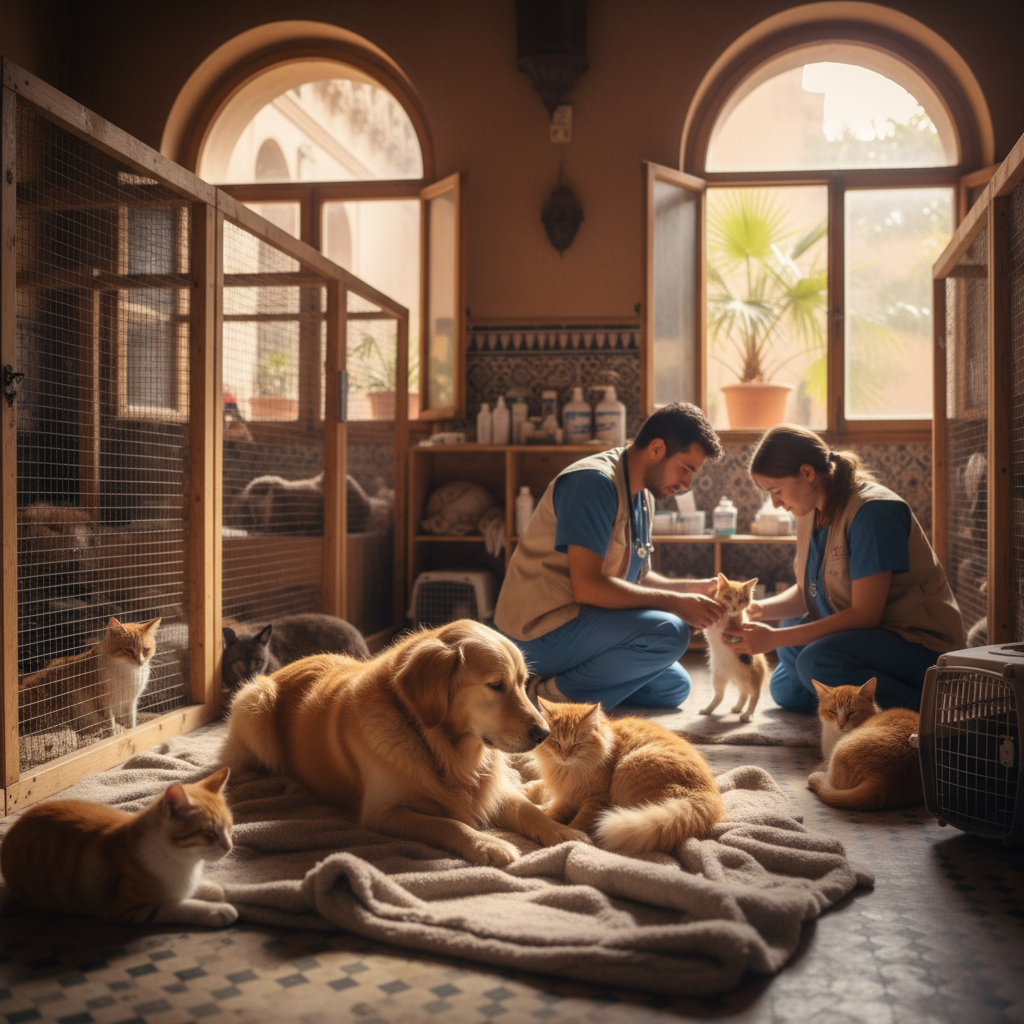
Introduction
The compassion for animals runs deep within Moroccan communities, yet countless stray and abandoned animals face daily struggles. For those driven by a profound desire to make a tangible difference, establishing an animal rescue operation is a noble, albeit challenging, endeavor. This guide, brought to you by Animal SoulSaver, provides a comprehensive, evidence-based roadmap to navigate the complexities of setting up and running a successful animal rescue in Morocco, focusing on legal compliance, expert veterinary collaboration, sustainable fundraising, and effective volunteer management.
Understanding the Legal Framework in Morocco
Operating legally is paramount for the credibility and longevity of any rescue. In Morocco, animal welfare organizations typically register as associations under Dahir N° 1-58-376 of November 15, 1958, regulating the right of association, as modified and supplemented. The process involves submitting a declaration to the local authority (Préfecture or Wilaya) with your association’s statutes, a list of founding members, and a board of directors. This legal status is crucial for opening bank accounts, signing contracts, and applying for grants. While specific, comprehensive animal welfare legislation is still evolving, operating as a registered entity demonstrates commitment to ethical practices and allows for official engagement with local authorities and communities. For any physical facility, ensure compliance with local zoning and public health regulations from the Commune and relevant ministries.
Partnering with Veterinary Professionals
Veterinary care is the cornerstone of any rescue. Establishing strong, collaborative relationships with local veterinarians is essential. Approach multiple clinics to discuss potential partnerships, negotiated rates for high-volume services like sterilization (spay/neuter), vaccinations (rabies is mandatory and crucial, alongside distemper and parvovirus), and emergency treatments. Develop clear protocols for animal intake: immediate health assessment, parasite control (e.g., Ivermectin, Fipronil, readily available in Moroccan vet pharmacies), and isolation if needed. Be prepared for common local health challenges such as Leishmaniasis, especially in endemic areas, and Feline Immunodeficiency Virus (FIV) and Feline Leukemia Virus (FeLV) in cat populations. Consistent preventative care, including regular deworming and flea/tick treatments, is vital given Morocco's climate, which can favor parasite proliferation. Ensure a clear emergency plan for after-hours care and designated funds for urgent medical interventions.
Fundraising Strategies
Sustainable funding fuels your mission. Diversify your fundraising efforts to ensure resilience. Locally, organize community events like bake sales, charity bazaars, or adoption fairs. Engage local businesses for sponsorships or in-kind donations (e.g., pet food, blankets). Online, leverage social media platforms (Facebook, Instagram, TikTok) to share compelling rescue stories and appeals. Utilize online crowdfunding platforms or establish direct donation channels via bank transfer or PayPal. For larger projects, research international animal welfare grants; many foundations support initiatives in developing countries. Transparency is key: regularly share financial reports and impact statistics (number of animals rescued, treated, adopted) to build donor trust. Consider a membership program for recurring donations at different tiers.
Effective Volunteer Management
Volunteers are the heart and hands of your rescue. Recruit through local universities, community centers, and social media. Create clear job descriptions for various roles: animal care (feeding, cleaning, walking), administrative tasks, fundraising, and adoption counseling. Provide comprehensive training covering safe animal handling (especially with potentially fearful or aggressive strays), basic first aid, hygiene protocols to prevent disease transmission (a critical aspect in any shelter environment), and proper use of equipment. Establish regular communication channels (e.g., WhatsApp groups, monthly meetings) and foster a positive, supportive environment. Implement a volunteer code of conduct emphasizing respect for animals and fellow team members. Acknowledge and appreciate their contributions to combat burnout and maintain morale. Remember that proper training reduces risks for both animals and volunteers.
Climate Considerations in Morocco
Morocco’s diverse climate, from scorching summers in the interior (Marrakech, Fes) to cooler, sometimes rainy winters in the north and mountains, requires specific considerations. During hot months, ensure constant access to shade, abundant fresh water, and cooling measures like elevated beds or fans. For colder periods, provide dry, insulated shelters, blankets, and elevated sleeping areas to protect against dampness and cold. Be mindful of increased vector-borne disease risks (e.g., tick-borne illnesses) during warmer seasons, necessitating consistent preventative treatments and vigilance.
Conclusion
Setting up an animal rescue is a journey of passion, planning, and perseverance. By meticulously addressing the legal requirements, forging strong veterinary partnerships, implementing robust fundraising strategies, and empowering a dedicated volunteer force, you can build a lifeline for countless animals in need across Morocco. Animal SoulSaver encourages aspiring rescuers to embark on this vital mission with structured action and unwavering dedication. Together, we can create a brighter future for Morocco's animal companions.