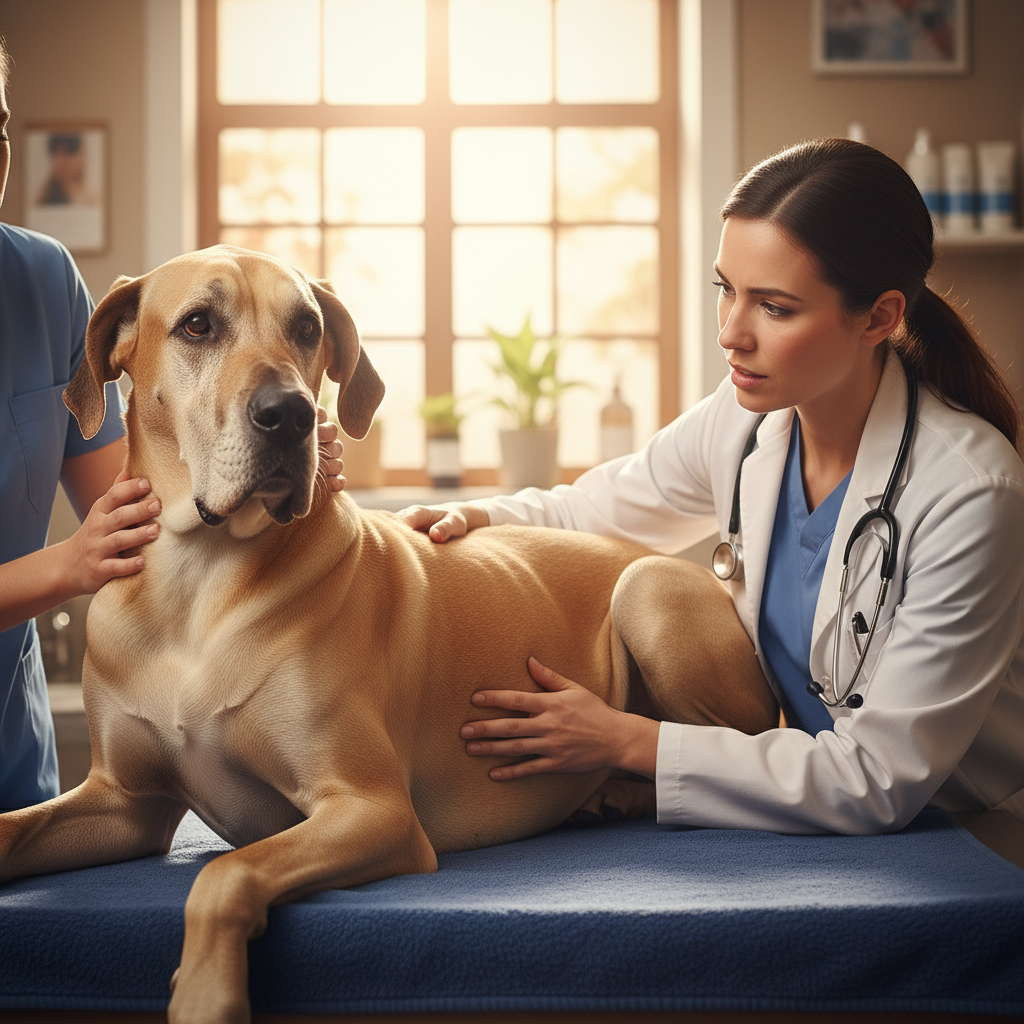
For dedicated animal protectors and rescuers at Animal SoulSaver (جمعية حماية ارواح الحيوانات) and pet owners across Morocco, understanding Gastric Dilatation-Volvulus (GDV), commonly known as 'bloat', is paramount. This devastating condition primarily affects large, deep-chested dog breeds and is a true veterinary emergency requiring immediate action. Without swift intervention, GDV is almost always fatal.
What is GDV?
GDV occurs when a dog's stomach fills with gas, food, or fluid (dilatation) and then twists upon itself (volvulus). This twisting cuts off the blood supply to the stomach and often the spleen, and obstructs the exits to the stomach. The pressure from the distended stomach also impairs breathing and blood flow back to the heart, leading to shock and organ failure. Breeds like Great Danes, German Shepherds, Doberman Pinschers, Boxers, Setters, and Saint Bernards are particularly susceptible, but any large breed can be affected.
Recognizing the Signs: Act Fast!
Recognizing the early symptoms of GDV is critical for survival. Time is of the essence. If you observe any of the following signs, seek emergency veterinary care immediately:
- Restlessness, pacing, or an anxious, distressed demeanor.
- Non-productive retching or vomiting – your dog tries to vomit but nothing comes out, or only a small amount of foamy saliva.
- A distended, hard, or drum-like abdomen, especially on the left side, which may be painful to the touch.
- Excessive drooling or salivation.
- Panting or rapid, shallow breathing.
- Weakness, collapse, or inability to stand.
- Pale gums.
Even if your dog shows only one or two of these symptoms, it's safer to assume GDV and head to the nearest veterinary clinic. Do not wait for symptoms to worsen; every minute counts.
Emergency Response: Every Second Counts
If you suspect GDV, do not attempt home remedies. Your immediate actions should be:
1. Call Your Veterinarian Immediately: Explain the symptoms clearly and concisely. Inform them you are en route with a suspected GDV case so they can prepare. 2. Transport Safely and Swiftly: Drive your dog to the closest veterinary clinic equipped for emergencies. In major Moroccan cities like Casablanca, Rabat, Marrakech, or Fez, emergency veterinary services are increasingly available. For those in more rural areas, knowing your nearest emergency contact is crucial.
Upon arrival, the veterinary team will work quickly to stabilize your dog. This typically involves:
- IV Fluid Therapy: Administering intravenous fluids (e.g., Ringer's lactate, saline) to combat shock, which are standard and readily available in Moroccan veterinary clinics.
- Pain Management: Administering appropriate pain relief (e.g., opioid analgesics like tramadol or buprenorphine, generally available).
- Decompression: Relieving the gas pressure in the stomach, often by passing a tube down the esophagus into the stomach (or, if unsuccessful, by trocarization – inserting a large-bore needle through the abdominal wall into the stomach). This step is life-saving but does not correct the twist.
- Monitoring: Continuous monitoring of heart rate and rhythm (arrhythmias are common with GDV), and blood tests to assess organ function.
Gastropexy Surgery: The Definitive Solution
Once the dog is stabilized, surgery is the only definitive treatment. During surgery, the veterinary surgeon will untwist the stomach, assess its viability (removing any dead tissue if necessary), and perform a gastropexy. Gastropexy is a surgical procedure where the stomach is permanently attached to the abdominal wall. This crucial step prevents the stomach from twisting again in the future, significantly reducing the risk of recurrence.
Recent studies highlight the effectiveness of gastropexy. While the surgery itself can be complex, especially if the stomach tissue is severely compromised, survival rates for dogs treated early are encouraging, often exceeding 80-90%. However, these rates drop dramatically with delayed intervention.
Post-operative care involves hospitalization, continued pain management, antibiotics, and a gradual reintroduction to food and water. Recovery typically requires restricted activity for several weeks.
Prevention is Key: Reducing Risk Factors
While GDV can strike unexpectedly, certain practices can help reduce the risk:
- Feed Multiple Small Meals: Instead of one large meal daily, feed two or three smaller meals. This is a widely accepted recommendation based on veterinary research.
- Avoid Rapid Eating: Use slow-feeder bowls or puzzle feeders. Prevent competition for food among multiple dogs.
- Limit Exercise Around Meals: Avoid strenuous exercise or excitement for at least one hour before and two hours after meals. In Morocco's hot climate, ensure dogs have ample, but not rapid, water access throughout the day, especially after eating.
- Consider Prophylactic Gastropexy: For at-risk breeds, particularly during spay/neuter surgery, a prophylactic (preventive) gastropexy can be performed. This procedure, often done laparoscopically in well-equipped clinics, attaches the stomach to the abdominal wall before GDV occurs, preventing the life-threatening twist. The American College of Veterinary Surgeons (ACVS) strongly recommends this for high-risk breeds.
- Elevated Food Bowls: Contrary to popular belief, some studies (e.g., Glickman et al., 2000) suggest elevated food bowls may increase the risk of GDV in certain large breeds. It's generally safer to feed at ground level unless advised otherwise by your vet for a specific medical reason.
A Call to Action for Moroccan Pet Owners and Rescuers
Animal SoulSaver urges every large dog owner and rescuer in Morocco to be vigilant. GDV is a terrifying emergency, but with awareness, rapid recognition, and immediate veterinary care, lives can be saved. Discuss prophylactic gastropexy with your veterinarian, especially if you own a high-risk breed. While advanced veterinary care can be costly, especially for GDV, the cost of inaction is far greater. Your preparedness can make all the difference for your beloved companion.