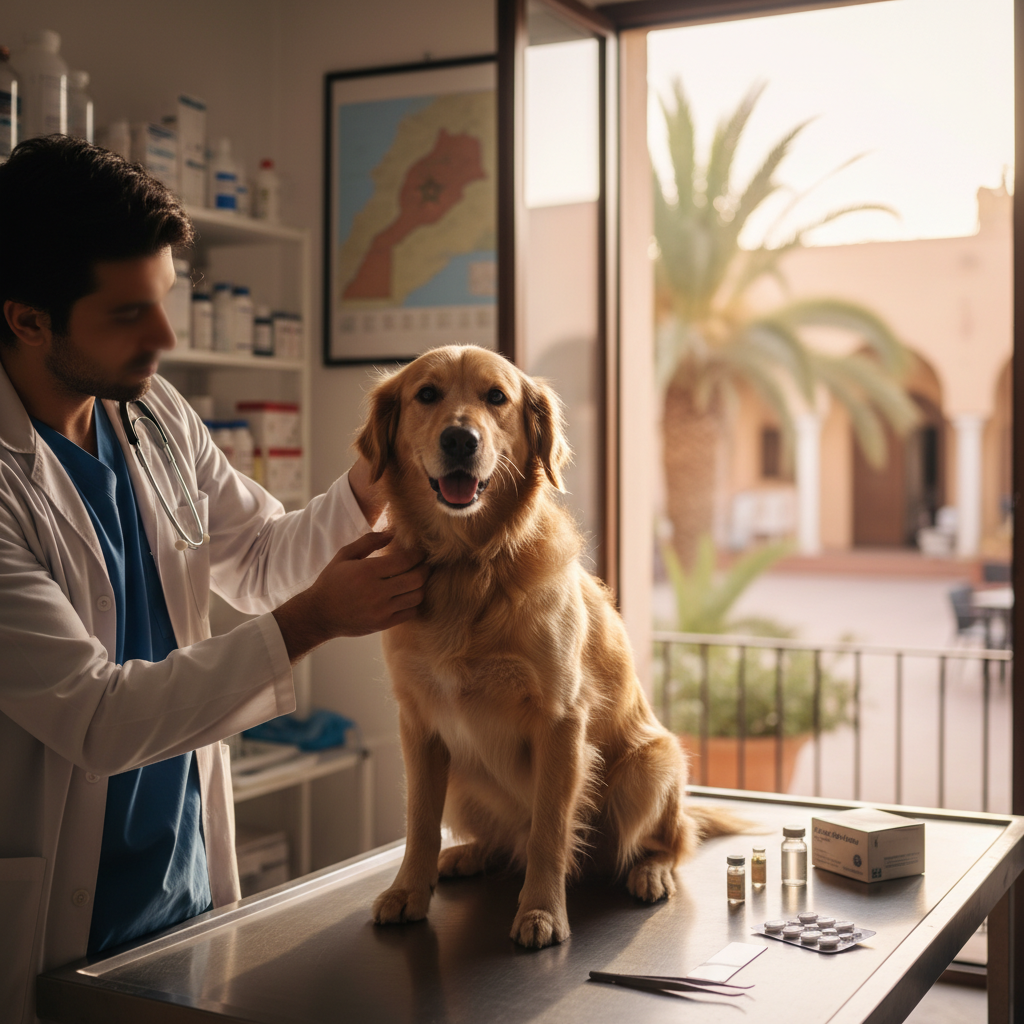
As Animal SoulSaver (جمعية حماية ارواح الحيوانات), we are committed to safeguarding the well-being of animals across Morocco. One of the most insidious threats to our canine companions is Ehrlichiosis, a tick-borne disease that can cause severe illness and even death. Understanding this disease, its diagnosis, treatment, and crucially, prevention, is vital for every pet owner and rescuer in our region.
The Silent Threat: Understanding Canine Ehrlichiosis
Canine Ehrlichiosis is caused primarily by the bacterium Ehrlichia canis, transmitted through the bite of infected ticks, most notably the brown dog tick (Rhipicephalus sanguineus). Once a tick bites, Ehrlichia invades the dog's white blood cells, leading to a systemic infection. The disease typically progresses through three phases: acute, subclinical, and chronic.
The acute phase (1-3 weeks post-infection) often presents with fever, lethargy, loss of appetite, weight loss, swollen lymph nodes, and sometimes bleeding tendencies like nosebleeds (epistaxis) or tiny red spots on the skin (petechiae) due to low platelet count. If untreated, some dogs may enter a subclinical phase where they appear healthy but remain infected. This can last for months or even years. The chronic phase is the most severe, characterized by persistent weight loss, profound anemia, severe bleeding disorders, neurological signs, and kidney failure, often leading to a poor prognosis.
The Moroccan Context: Ticks and Disease Burden
Morocco's warm climate provides an ideal environment for ticks to thrive year-round, with peak activity during warmer months. The brown dog tick, a highly efficient vector for Ehrlichia canis, is endemic throughout the country. This means that ehrlichiosis, along with other tick-borne diseases like Anaplasmosis and Babesiosis, is a significant concern for dogs in Morocco. Awareness and proactive measures are not just recommended, they are essential for protecting our pets.
Accurate Diagnosis: The Key to Saving Lives
Early and accurate diagnosis is paramount. If your dog exhibits any suspicious symptoms or has a history of tick exposure, consult your veterinarian immediately. Diagnosis typically involves:
1. Clinical Examination: Your vet will assess symptoms and history. 2. Blood Tests: A complete blood count (CBC) often reveals low platelet count (thrombocytopenia), anemia, and changes in white blood cells. 3. Serological Tests: Rapid in-clinic tests (e.g., SNAP 4Dx) can detect antibodies to Ehrlichia. While useful for screening, a positive result indicates exposure, not necessarily an active infection, as antibodies can persist after treatment or past exposure. 4. PCR (Polymerase Chain Reaction): This is the gold standard for confirming an active infection. PCR detects the actual DNA of the bacteria in blood samples, providing a definitive diagnosis and identifying the specific Ehrlichia species. PCR testing is available through specialized veterinary laboratories in Morocco.
Doxycycline: The Lifesaving Treatment
Doxycycline is the antibiotic of choice for treating canine Ehrlichiosis. It is highly effective against Ehrlichia canis and works by inhibiting bacterial protein synthesis. The typical dosage is 5-10 mg/kg given orally every 12-24 hours for a minimum of 28 days. It is crucial to complete the full course of medication, even if your dog's symptoms improve rapidly, to ensure complete eradication of the bacteria and prevent relapse or progression to the chronic form. Doxycycline is generally available in Morocco, often as a human formulation (e.g., Vibramycine) prescribed off-label by veterinarians, or specific veterinary products (e.g., Doxyvet). In severe cases, supportive care such as intravenous fluids, appetite stimulants, or even blood transfusions may be necessary.
Prevention is Better Than Cure: A Multi-faceted Approach
Given the prevalence of ticks in Morocco, prevention is the most effective strategy to protect your dog. A comprehensive approach includes:
1. Regular Tick Checks: Inspect your dog daily, especially after walks or outdoor activities. Pay close attention to ears, between toes, armpits, and groin. If you find a tick, remove it carefully with tweezers, pulling straight out without twisting, and dispose of it safely. 2. Topical Preventatives: Spot-on treatments (e.g., containing Fipronil, Permethrin – use with caution around cats, or Imidacloprid) or tick collars (e.g., containing Flumethrin/Imidacloprid like Seresto) are widely available in Morocco and provide extended protection. 3. Oral Medications: Modern oral chewables (isoxazolines like Afoxolaner, Fluralaner, Sarolaner, Lotilaner – branded as NexGard, Bravecto, Simparica, Credelio respectively) offer highly effective, systemic protection against ticks for one to three months. These are increasingly available through veterinary clinics in major Moroccan cities. 4. Environmental Control: Keep your yard tidy, mow lawns regularly, and remove leaf litter and brush where ticks can hide. If a severe infestation is suspected in kennels or homes, consult a professional for safe acaricide application. 5. Annual Veterinary Check-ups: Regular vet visits allow for professional advice on the best prevention strategy for your dog and early detection of any health issues.
By staying vigilant, understanding the risks, and implementing consistent preventive measures, we can significantly reduce the incidence of Ehrlichiosis and other tick-borne diseases, ensuring our beloved canine companions live healthy, happy lives. Animal SoulSaver urges all pet owners to prioritize tick prevention and seek veterinary care at the first sign of illness. Together, we can protect the animal souls of Morocco.