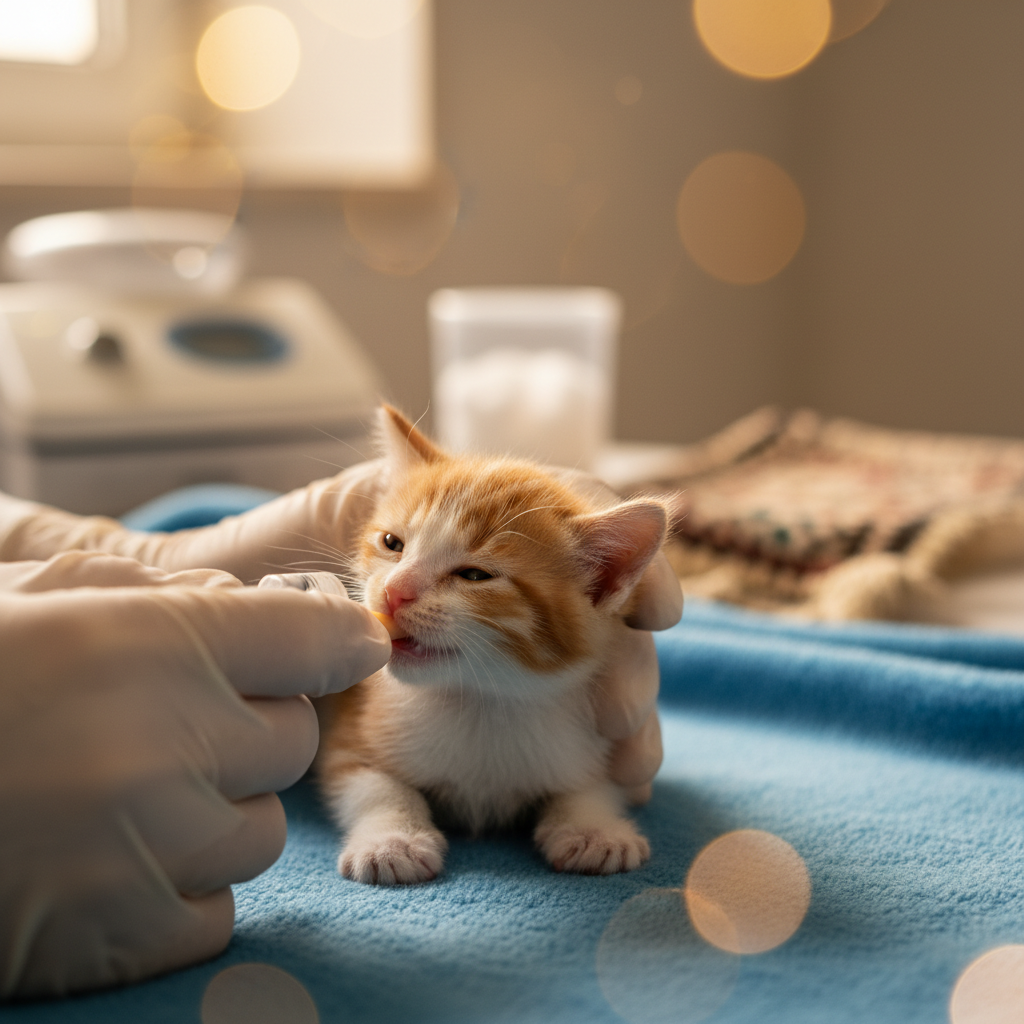
Caring for an orphan kitten is one of the most demanding yet profoundly rewarding experiences a rescuer or pet owner can undertake. These tiny, vulnerable creatures depend entirely on human intervention for survival, especially in their first weeks of life. As Animal SoulSaver (جمعية حماية ارواح الحيوانات), we are committed to providing you with the most current and evidence-based guidance to ensure these fragile lives thrive.
The Warmth of a Mother: Temperature Regulation
Newborn kittens cannot regulate their body temperature and are highly susceptible to hypothermia, which can be fatal. Maintaining a consistent, warm environment is paramount. For kittens 0-1 week old, the ambient temperature should be 32-35°C; for 1-2 weeks, 29-32°C; and for 2-3 weeks, 27-29°C. A safe way to provide warmth is using a heating pad set on low, placed under half of the kitten’s box so they can crawl away if too warm. Alternatively, a hot water bottle (wrapped in a towel) or even a warm rice sock can work. Always ensure there is a gradient, allowing the kitten to move to a cooler spot if needed. In Morocco, be mindful of cooler winter nights, especially in mountainous or desert regions, and avoid direct drafts.
Nourishing Life: Bottle Feeding Schedules and Techniques
Kitten Milk Replacer (KMR) is the gold standard for orphan kittens, formulated to mimic queen’s milk. However, commercial KMR can be difficult to source consistently or prohibitively expensive in Morocco. For immediate, temporary needs, a homemade alternative can be a lifesaver, but always strive to find commercial KMR as soon as possible for long-term nutritional completeness.
KMR Alternatives in Morocco (Emergency, Temporary Use Only): A common emergency recipe involves combining 1 cup of whole goat’s milk (easier to digest than cow’s milk for kittens), 1 pasteurized egg yolk (raw eggs carry salmonella risk), and 1 teaspoon of plain, unsweetened full-fat yogurt. Some recipes also suggest a tiny pinch of a glucose supplement or honey for energy, but use sparingly. Never use cow’s milk, as it lacks essential nutrients and can cause severe diarrhea due to lactose intolerance. These homemade formulas are stop-gap measures; consult a veterinarian for the best long-term solution.
Feeding Schedule: 0-1 week:* Every 2-3 hours, including overnight. 1-2 weeks:* Every 3-4 hours. 2-3 weeks:* Every 4-5 hours. 3-4 weeks:* Every 5-6 hours, start introducing gruel (wet kitten food blended with KMR/water).
Technique: Feed kittens on their stomach, never on their back, to prevent aspiration pneumonia. Hold the bottle at a 45-degree angle, allowing milk to fill the nipple. Let the kitten suckle at its own pace. After each feeding, burp the kitten by gently rubbing its back. Sterilize all feeding equipment after each use to prevent bacterial infections.
Stimulating Elimination: A Mother's Touch
Young kittens cannot urinate or defecate on their own until they are about 3-4 weeks old. The mother cat normally licks their perineal area to stimulate elimination. You must replicate this. Before and after each feeding, gently rub the kitten’s genital and anal area with a warm, damp cotton ball or soft cloth until it urinates and/or defecates. Observe the color and consistency of the stool; diarrhea or very hard stools warrant immediate veterinary attention.
Common Mistakes and How to Avoid Them
- Hypothermia: As discussed, a cold kitten cannot digest food. Always ensure they are warm before feeding.
- Feeding Cow's Milk: This is a primary cause of digestive upset and malnutrition in kittens. Stick to KMR or vet-approved alternatives.
- Overfeeding or Underfeeding: Monitor the kitten's weight daily. Healthy kittens should gain 10-15g per day. Follow KMR instructions for quantity, or consult your vet. Overfeeding can cause diarrhea, underfeeding leads to failure to thrive.
- Aspiration: Feeding a kitten on its back or too quickly can lead to milk entering the lungs, causing pneumonia. Always feed on their stomach, allowing them to control the pace.
- Poor Hygiene: Unsterilized bottles or dirty bedding can lead to severe infections. Maintain strict hygiene.
- Ignoring Signs of Illness: Lethargy, persistent crying, vomiting, diarrhea, difficulty breathing, or refusal to eat are emergencies. Seek veterinary care immediately. While veterinary access can vary across Morocco, Animal SoulSaver can help guide you to available resources.
Raising orphan kittens is a profound act of love and dedication. With proper care, patience, and attention to detail, you can give these precious lives a second chance. Remember, Animal SoulSaver (جمعية حماية ارواح الحيوانات) is here to support you on this journey.